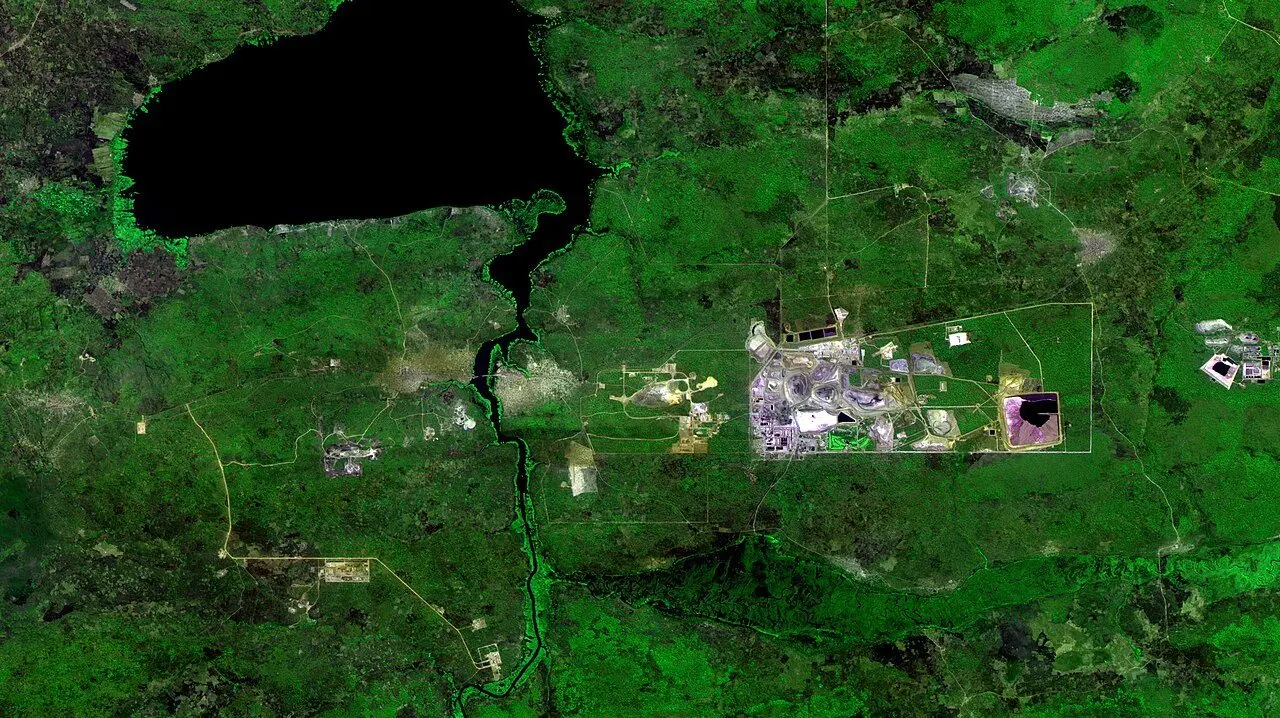
 Producing mine
DR Congo
Mutanda
Operated by Glencore
One of the world's largest cobalt-hydroxide producers, near Kolwezi; its output is subject to the DRC's ARECOMS export quotas.
Photo: Coordenação-Geral de Observação da Terra/INPE · CC BY-SA 2.0Demonstration dataListings, lots and offers shown are samplesAbout sample data
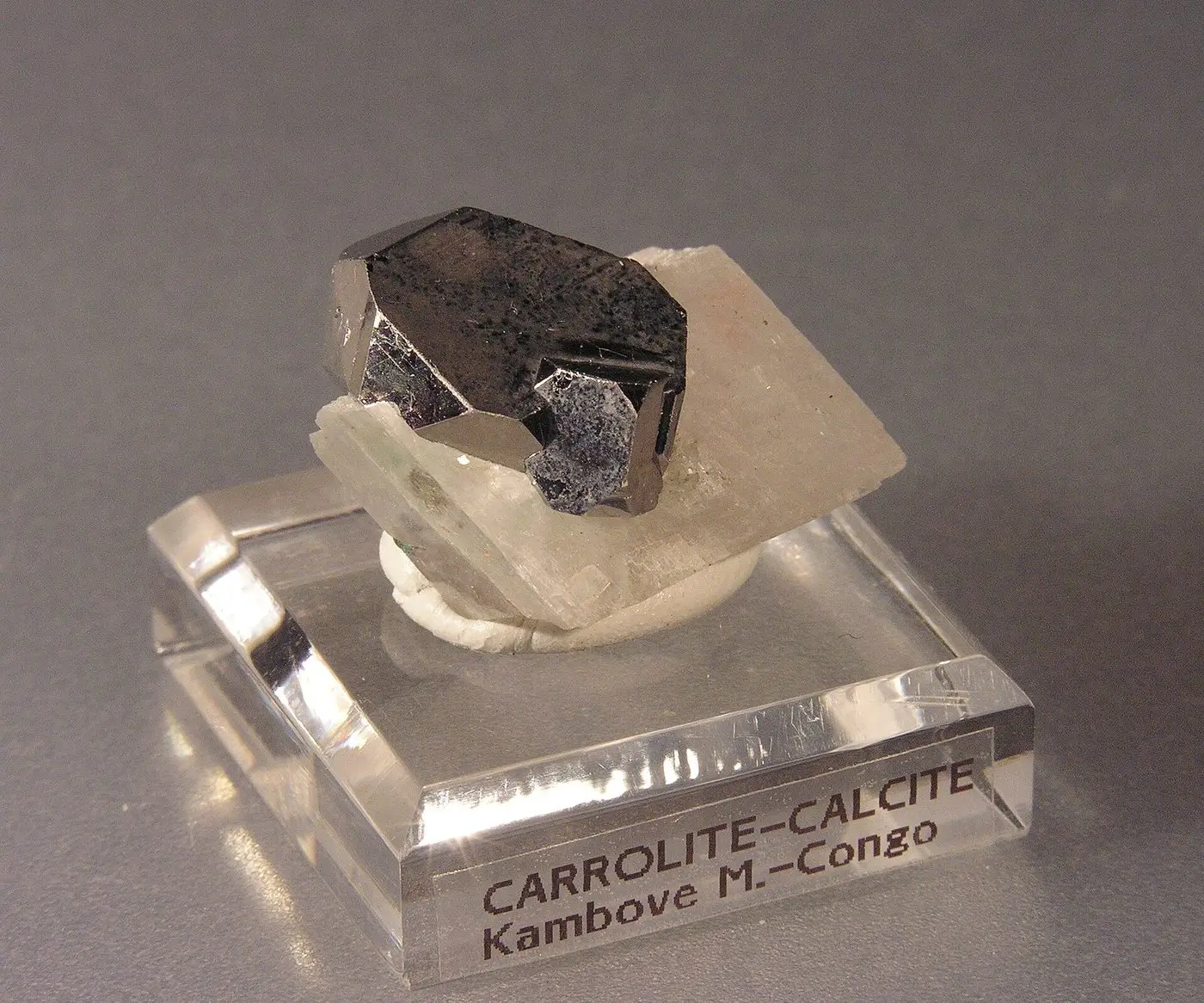
Reference specimen · Marco Tomei, Public domain
Battery minerals
Top-10 #1Sample dataCobalt is a battery and superalloy metal, and the DRC supplies roughly 70–75% of the world's mined cobalt, almost all as a by-product of copper mining. Most DRC output leaves as cobalt hydroxide, an intermediate that is refined (mostly in China) into sulphate for batteries or metal for alloys. Since 2025 the DRC has controlled exports through the ARECOMS quota system, turning a surplus market into a managed one.
Controlled supply
This mineral is subject to export quota / ban applies. Offers are published only after ARAM has reviewed the supporting documents, and some details are visible to verified companies only.
Verified companies only
Volumes, origins and terms are shown to verified companies. Availability for everyone else: Export-restricted → Contract. Verify your company or submit a request.
Cobalt hydroxide Co(OH)2
Unit: dmt · HS 2822.00
the main African export; typically 25–40% Co (reference spec min 30% Co), moist filter cake in 1–1.5 t bulk bags; impurities Cu, Mn, Mg, Fe, Ca, U.
Cobalt metal (cathode/broken cathode)
Unit: dmt · HS 8105.20
≥99.8% Co ('standard grade'); a few DRC/Zambian and Moroccan (Bou Azzer) producers
Cobalt sulphate (CoSO4·7H2O, ~20.5% Co)
Unit: dmt · HS 2605.00
battery precursor; little made in Africa yet
Mixed hydroxide precipitate (MHP)
Unit: dmt
Ni-Co intermediate (e.g. Madagascar's Ambatovy)
ARAM sourcing assessment
High value, but you cannot move tonnage without a quota holder. The realistic model is to broker allocations from quota-holding DRC producers to non-Chinese refiners (Finland, Japan, Korea, US) seeking traceable supply. Listing status: Export-restricted → Contract.
DR Congo
Tenke Fungurume and Kisanfu (CMOC — the world's largest producer), Kamoto/KCC and Mutanda (Glencore), Metalkol RTR (ERG), plus many Chinese-owned mid-tier producers; EGC (Entreprise Générale du Cobalt) — state monopoly buyer for artisanal cobalt
Zambia
Chambishi, Nkana
Madagascar
Ambatovy (Ni-Co)
Morocco
Bou Azzer (primary cobalt, Managem)
USGS Mineral Commodity Summaries 2026 — African rows of the world production & reserves table
World Mine Production and Reserves: Significant revisions were made to the 2024 production for Australia,
Congo (Kinshasa) 226,000 230,000 6,000,000
Madagascar 3,100 3,900 100,000
World total (rounded) 302,000 310,000 12,000,000
| Year | Country | HS | Value | Net weight |
|---|---|---|---|---|
| 2024 | DR Congo | 282200 | $5.53bn | 654.8 kt |
| 2023 | DR Congo | 282200 | $4.78bn | 484.2 kt |
| 2023 | Madagascar | 8105 | $111.6m | 3.5 kt |
| 2024 | Zambia | 282200 | $80.2m | 9.4 kt |
| 2023 | Morocco | 8105 | $62.4m | 1.6 kt |
| 2024 | Morocco | 8105 | $61.6m | 2.3 kt |
| 2024 | Madagascar | 8105 | $60.0m | 2.4 kt |
| 2023 | DR Congo | 8105 | $54.1m | 16.7 kt |
| 2023 | Zambia | 282200 | $47.1m | 4.8 kt |
| 2024 | DR Congo | 8105 | $6.3m | 2.3 kt |
| 2024 | Zambia | 2605 | $368k | 96 t |
| 2023 | Zambia | 2605 | $323k | 342 t |
Mirror data fills gaps where exporters report late or incompletely.
| Year | Buyer | Origin | HS | Value | Net weight |
|---|---|---|---|---|---|
| 2024 | China | DR Congo | 8105 | $3.02bn | 628.2 kt |
| 2023 | China | DR Congo | 8105 | $2.40bn | 387.0 kt |
| 2024 | USA | Madagascar | 8105 | $47.8m | 1.7 kt |
| 2023 | Rep. of Korea | DR Congo | 8105 | $43.6m | 6.4 kt |
| 2023 | China | DR Congo | 2605 | $38.6m | 16.6 kt |
| 2023 | USA | Madagascar | 8105 | $32.9m | 925 t |
| 2024 | Rep. of Korea | DR Congo | 8105 | $27.0m | 5.9 kt |
| 2023 | Japan | Madagascar | 8105 | $25.2m | 681 t |
| 2023 | Japan | Morocco | 8105 | $16.1m | 483 t |
| 2023 | Rep. of Korea | Madagascar | 8105 | $13.9m | 460 t |
| 2024 | Japan | Madagascar | 8105 | $11.9m | 471 t |
| 2023 | Germany | Morocco | 8105 | $8.2m | 217 t |
Source: UN Comtrade (public data). Values in US$.
Minerals trade on formula prices: a published benchmark × metal content × payable percentage, less treatment charges and impurity penalties, settled on independent assay. Payment is typically by documentary letter of credit, with 90–95% provisional payment against shipping documents and the balance on final assay.
Request terms for CobaltDR Congo
Export quota
export suspension Feb–Oct 2025, then ARECOMS quotas — 2026–27 base quota 87,000 t Co/yr (7,250 t/month) + 9,600 t strategic quota; quarterly adjustment possible; exports require quota allocation
Authority: ARECOMSPrimary sourceSource
Cross-border
Levy / tax
DRC 2018 Mining Code: cobalt declared a 'strategic substance' (10% royalty)
Primary source
Cross-border
State marketing channel
EGC controls artisanal cobalt purchasing
Authority: EGCPrimary source
Cobalt hydroxide is priced as a payable % of the standard-grade cobalt metal price × Co content; reference spec min 30% Co, CIF China. DRC hydroxide typically 25–40% Co.
Source 1 · fastmarkets.comSource 2 · argusmedia.comSource 3 · cmegroup.comSource 4 · fastmarkets.com
DRC export quota regime (ARECOMS): 2026 and 2027 base quota 87,000 t Co contained in hydroxide (7,250 t/month) plus a 9,600 t 'strategic quota' held by ARECOMS; quarterly adjustment reserved. Followed the Feb–Oct 2025 export suspension.
Source 1 · fastmarkets.comSource 2 · fastmarkets.comSource 3 · spglobal.com
Market structure: hydroxide bid/offer gaps widened under quotas (Benchmark).
Research compiled September 2026 from USGS, UN Comtrade, producer and regulator publications. Facts marked “reported” come from secondary sources and should be confirmed before contracting.
On the ground · Cobalt
The mines and districts that define supply, with their operators. They are shown for geographic context: third-party operations, not ARAM sites, and not the source of any particular lot. Ownership and status as publicly reported in 2026.
Producing mineDR Congo
Operated by Glencore
One of the world's largest cobalt-hydroxide producers, near Kolwezi; its output is subject to the DRC's ARECOMS export quotas.
Photo: Coordenação-Geral de Observação da Terra/INPE · CC BY-SA 2.0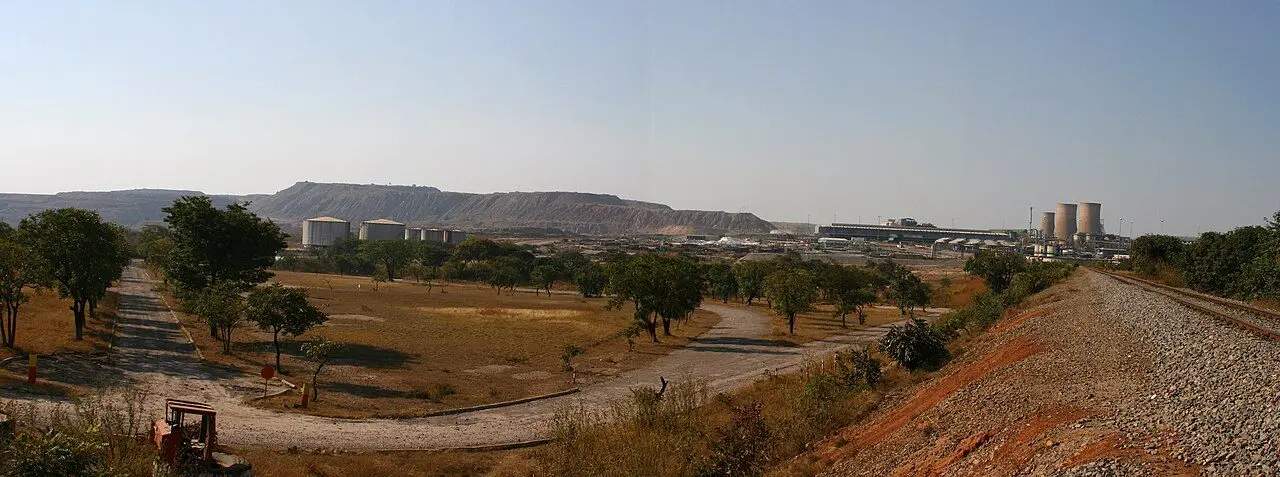 Mining district
Zambia
Operated by Multiple operators
A century-old copper province: open pits and underground mines around Chingola, Kitwe and Mufulira, feeding smelters and cathode refineries.
Photo: BlueSalo · CC BY-SA 3.0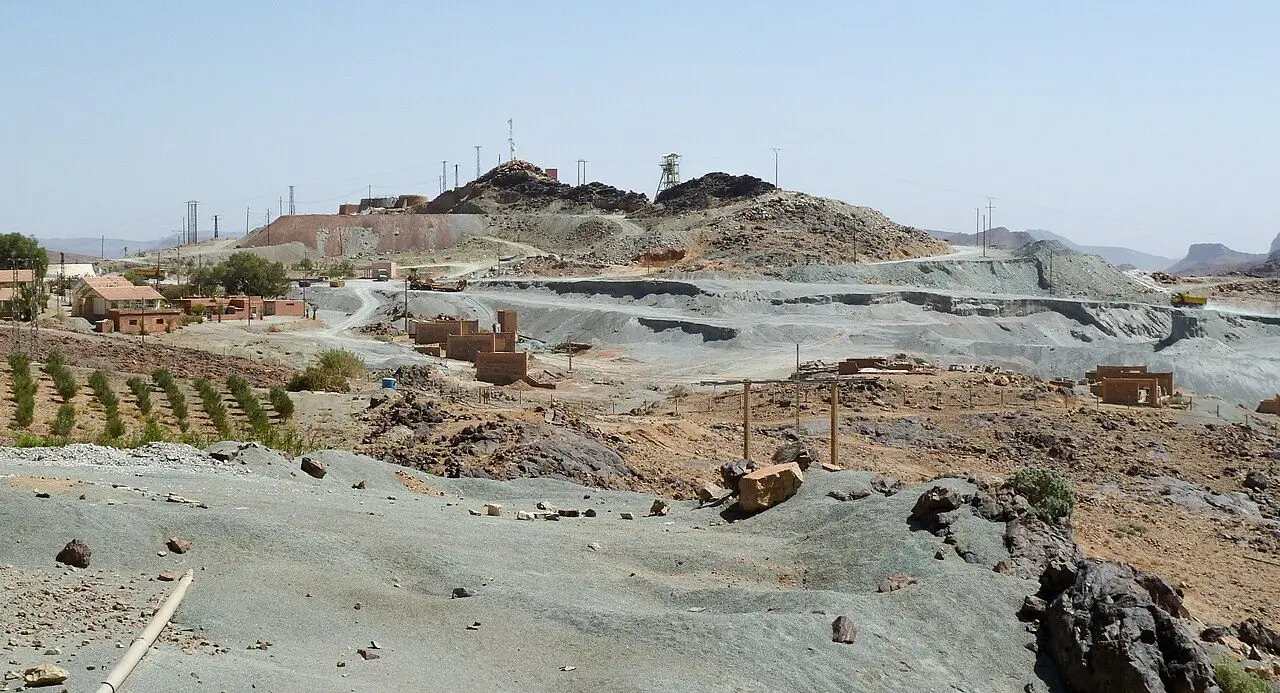 Producing mine
Morocco
Operated by Managem
A rare primary cobalt (cobalt-arsenide) mine in the Anti-Atlas, producing cobalt outside the Congo.
Photo: Bernhard Holub · CC BY-SA 4.0DR Congo
No freely licensed photograph
DR Congo
Operated by CMOC Group
A major copper-cobalt operation in Lualaba; together with CMOC's Kisanfu it makes CMOC the world's largest cobalt producer.
DR Congo
No freely licensed photograph
DR Congo
Operated by Multiple operators (Glencore's KCC, state-linked and Chinese-owned producers)
The centre of the Central African Copperbelt's cobalt output, with large industrial mines and artisanal diggings side by side — the setting behind cobalt due-diligence requirements.
Marco Tomei, Public domain
J. Murawski, Public domain
Nessa Eull, CC0
James St. John, CC BY 2.0
Strickja, Public domain
Fernando Brederodes, CC0
User Tor Svensson, CC BY-SA 3.0
Reference specimens of the ore minerals and products, from public collections. They illustrate the material, not a specific ARAM lot or source.
 #02
#02Battery minerals
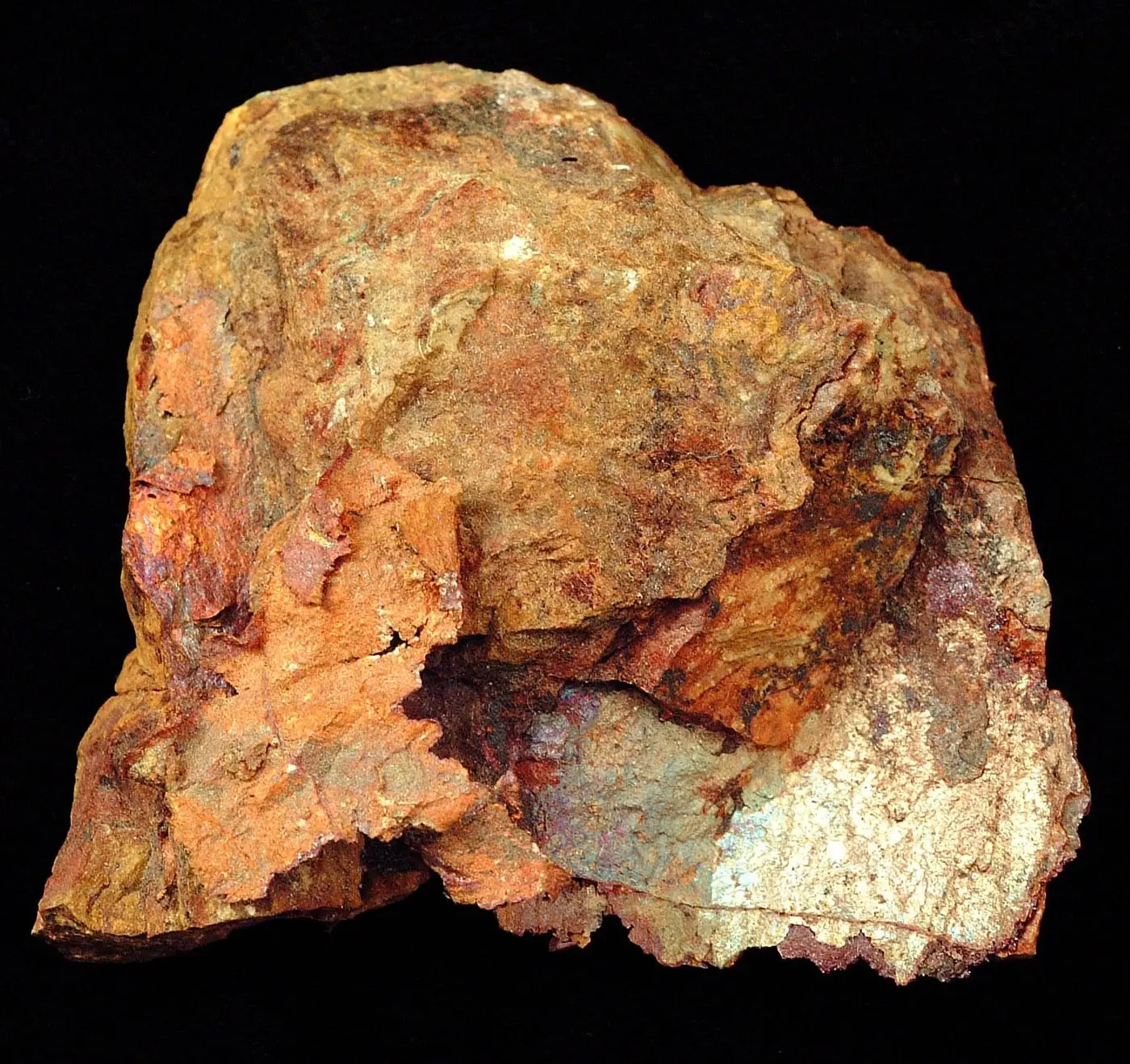
Copper is the backbone of electrification: power grids, EV motors and wiring, renewables and data centres. The DRC is now the world's #2 mine producer after Chile, and Zambia is Africa's #2; together they form the Central African Copperbelt, one of the world's highest-grade copper provinces. Africa exports copper at every stage, from concentrate to refined cathode.
 #04
#04Battery minerals
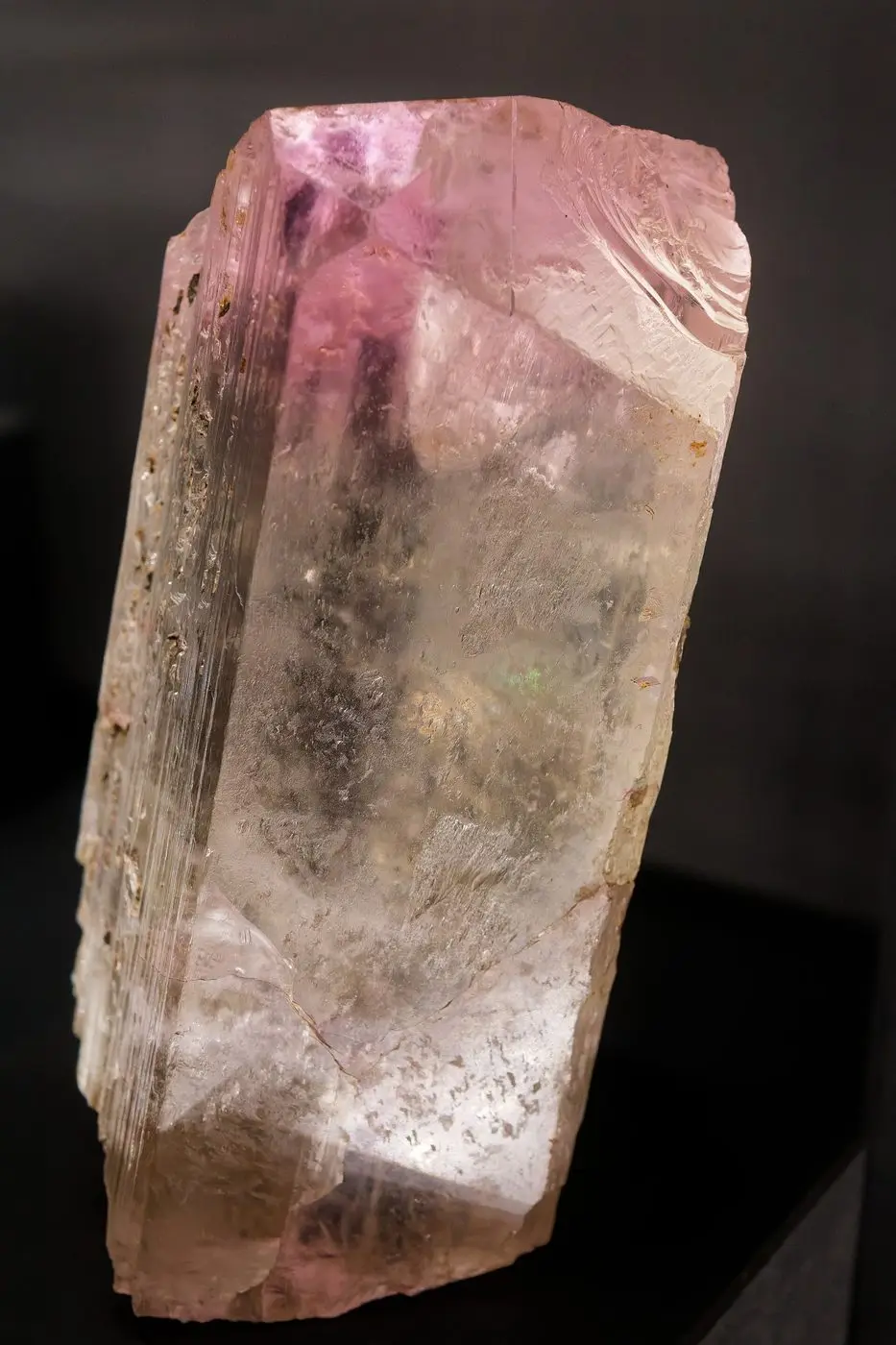
Lithium is the defining battery metal. Africa went from almost nothing to one of the fastest-growing supply regions in 2023–25, led by Zimbabwe (Africa's #1, top-5 globally), then Mali (Goulamina, Bougouni), Nigeria and Namibia. African lithium is hard-rock (spodumene, petalite, lepidolite pegmatites), sold as mineral concentrate. Governments now force local processing: raw ore export bans are in place, and Zimbabwe is moving to ban concentrate in favour of lithium sulphate.
 #05
#05Battery minerals
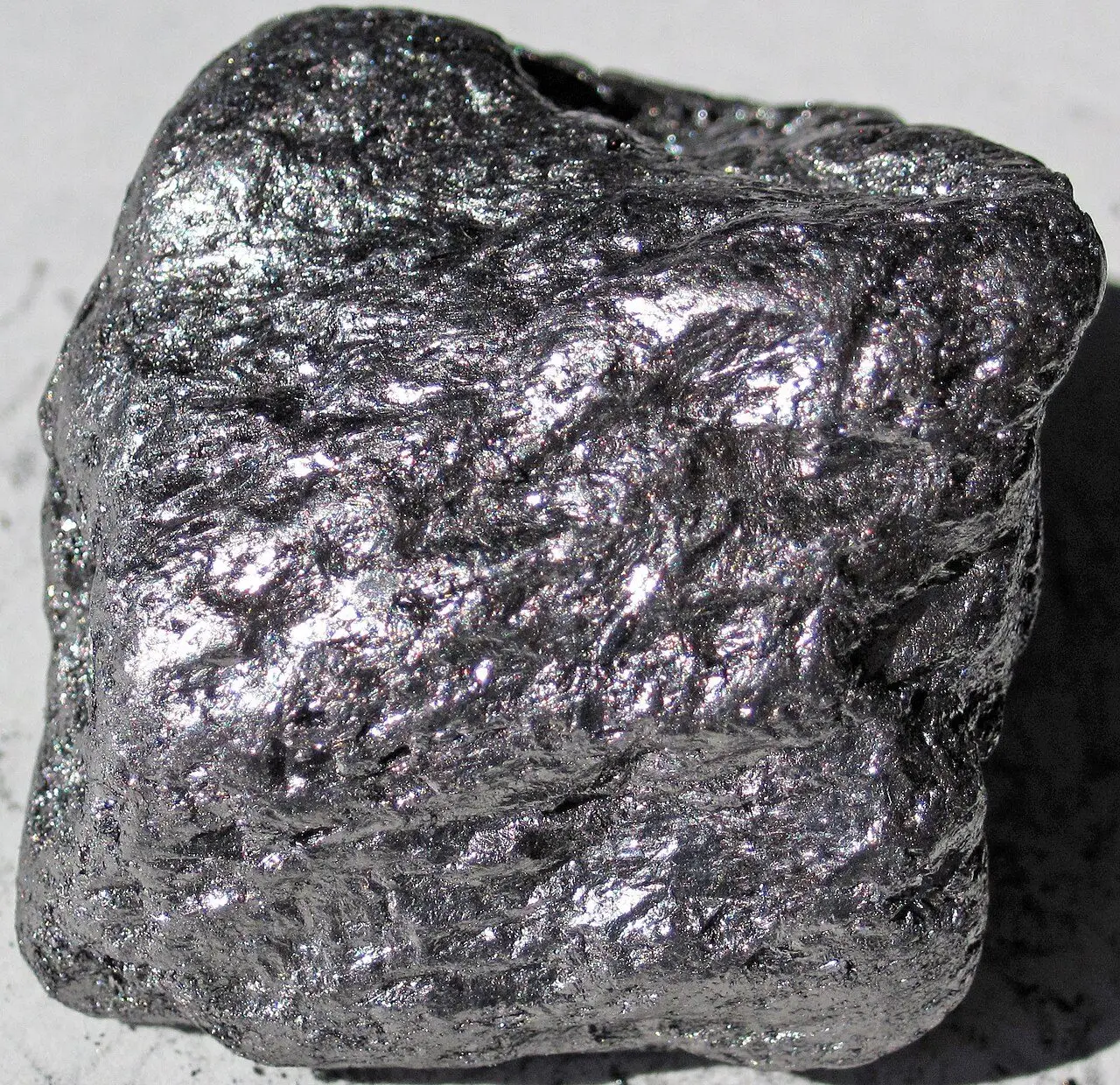
Natural flake graphite is the main raw material for battery anodes (as spherical graphite) and for refractories. China controls most mining and more than 90% of anode processing and has tightened graphite export controls since December 2023. That makes African flake strategically valuable. Mozambique (Balama, the world's largest flake mine), Madagascar and Tanzania are the key sources.
 #09
#09Battery minerals
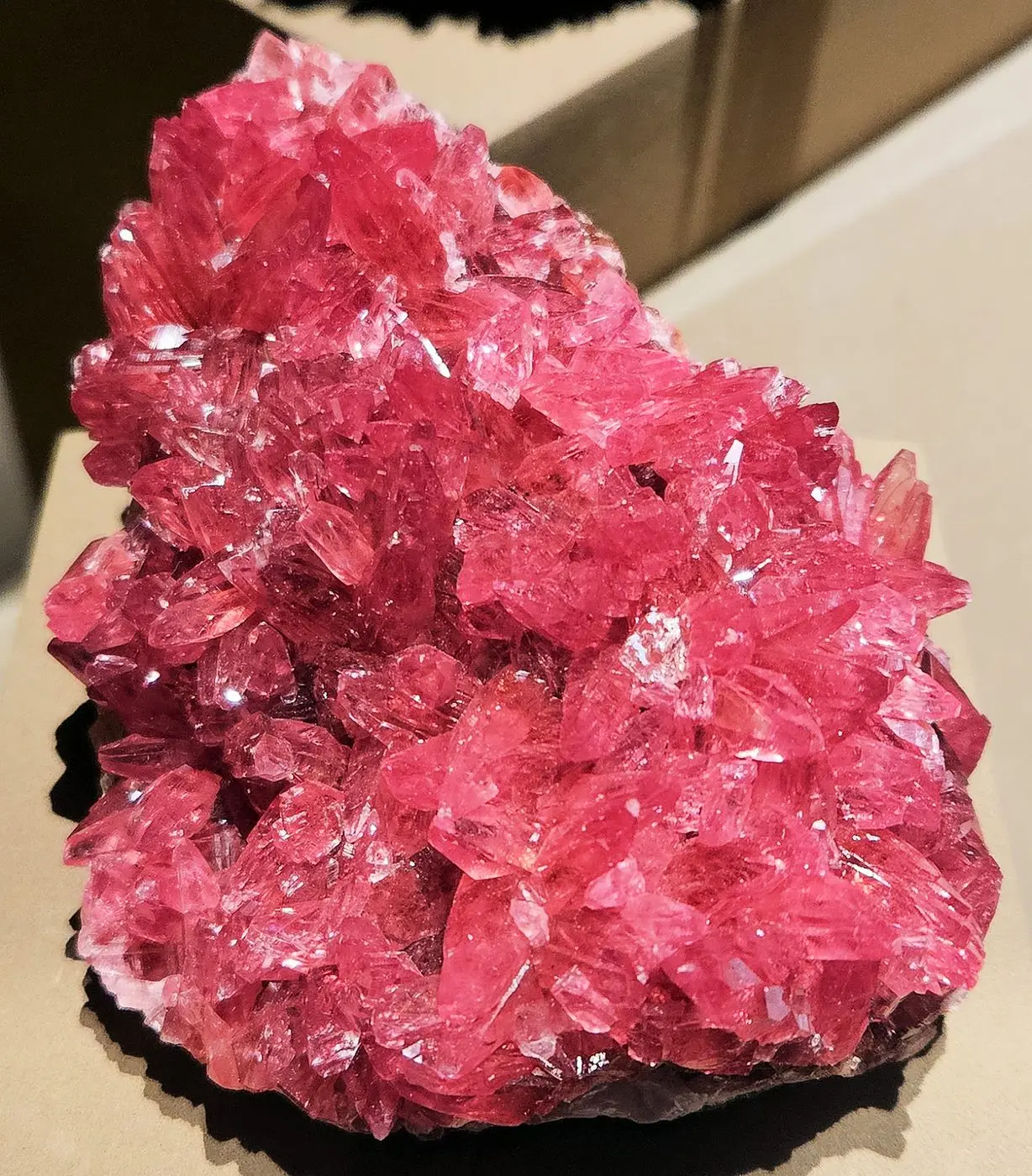
Manganese is essential to all steelmaking (as ferromanganese and silicomanganese alloys) and is a growing battery input as high-purity manganese sulphate (HPMSM) for NMC and LMFP cathodes. South Africa holds the Kalahari Manganese Field, about 70–80% of the world's economic manganese resources, and is the world's largest producer. Gabon (Moanda) supplies the highest-grade ore.