Strategic minerals
Beyond the battery metals.
Thirteen further commodities where Africa is a major or strategic supplier. Several carry stricter rules — conflict-mineral due diligence, Kimberley Process certification or nuclear licensing — and the page for each explains exactly what applies.
01Strategic minerals
Tantalum, tin, tungsten
The 3TG conflict minerals: listed only with mine-of-origin evidence and independent traceability.
 #06
#063TG conflict minerals
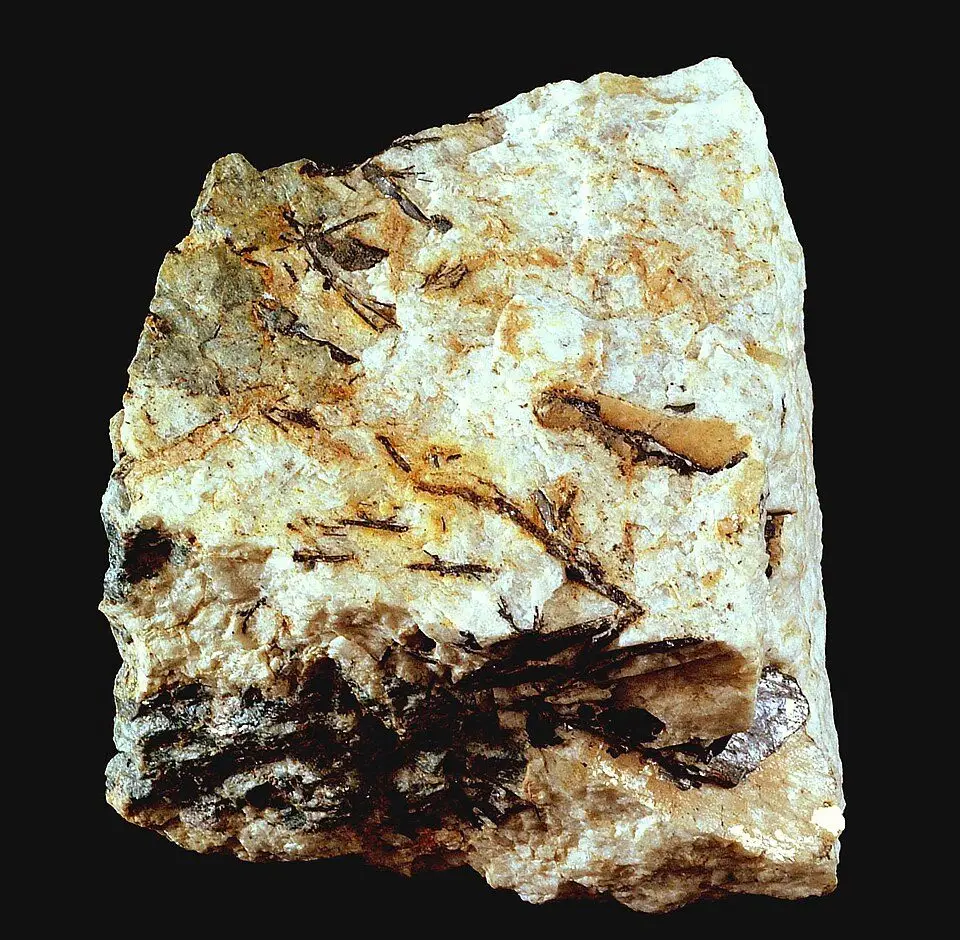
Tantalum (Coltan) Ta
Tantalum is used for capacitors in phones, laptops and cars, and in aerospace superalloys, medical implants and sputtering targets. Its ore, coltan (columbite-tantalite), comes mainly from the African Great Lakes region: the DRC and Rwanda together supply about 60% of the world's mined tantalum, much of it artisanal. Tantalum is one of the four 'conflict minerals' (3TG), and eastern DRC conflict (M23's control of Rubaya since 2024) makes due diligence decisive.
- Supply
- Contract — verified 3TG supply only
- Assay
- Independent — required
- Origin
- Verified per offer
3TG conflict minerals
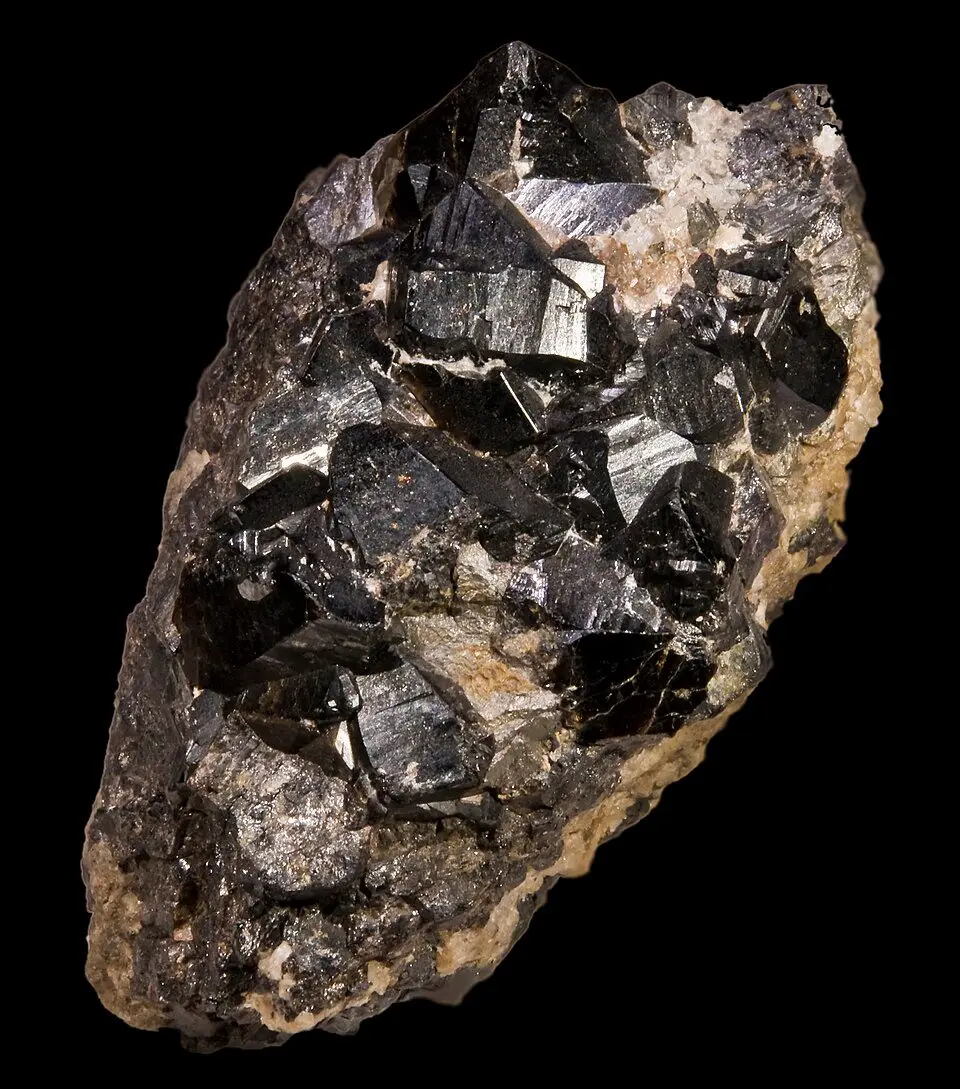
Tin Sn
Tin's main use is solder for electronics, followed by tinplate, chemicals and battery research. Cassiterite (SnO2) from the African Great Lakes is a 3TG conflict mineral. The standout industrial source is Bisie (Alphamin) in North Kivu, DRC, one of the world's highest-grade tin mines. Its operations were shut for about five weeks in March 2025 as M23 advanced on Walikale.
- Supply
- Contract — verified 3TG supply only
- Assay
- Independent — required
- Origin
- Verified per offer
3TG conflict minerals
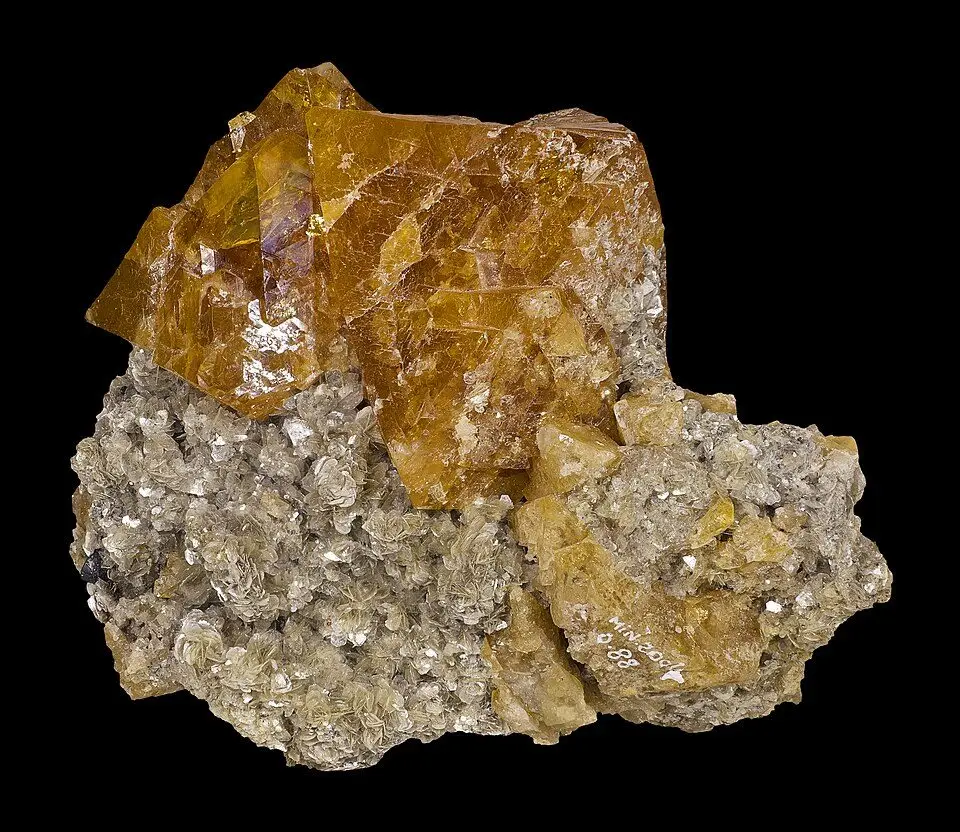
Tungsten W
Tungsten has the highest melting point of any metal. It is used in hard metals (tungsten carbide cutting tools, drilling), armour-piercing munitions, high-temperature alloys and electronics. China produces about 80% and has placed tungsten under export controls (February 2025). Rwanda is Africa's leading producer, and its Nyakabingo mine (Trinity Metals) now ships ferberite concentrate to the US defence-linked supply chain. Tungsten is a 3TG conflict mineral.
- Supply
- Contract — verified 3TG supply only
- Assay
- Independent — required
- Origin
- Verified per offer
02Strategic minerals
Platinum-group metals and diamonds
Southern Africa's precious-metal and gem supply, under refinery and Kimberley Process rules.
 #08
#08Precious
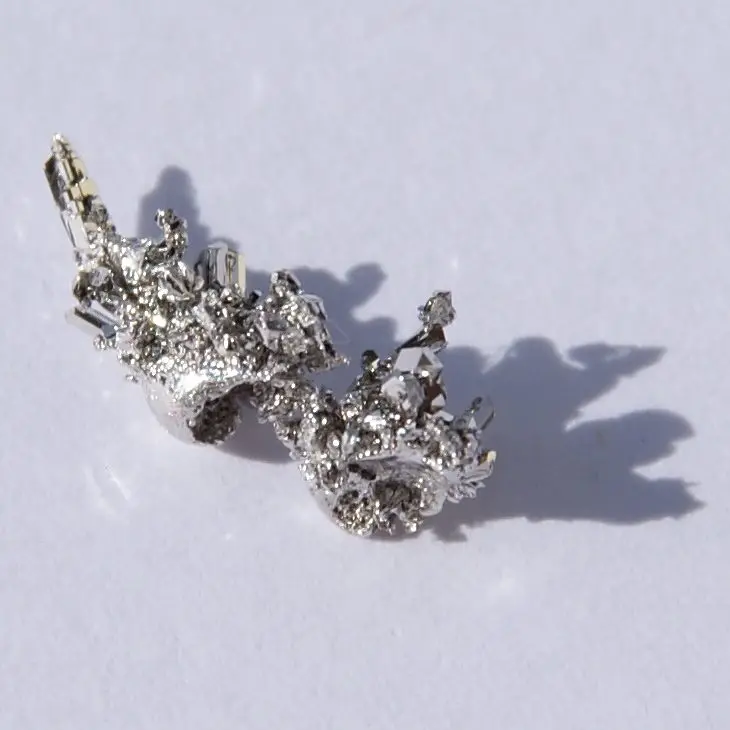
Platinum-Group Metals Pt, Pd, Rh
The platinum-group metals are platinum, palladium, rhodium, ruthenium, iridium and osmium. They are used in autocatalysts, hydrogen electrolysers and fuel cells, glass, electronics, chemicals, jewellery and investment. South Africa's Bushveld Complex holds most of the world's PGM reserves and produces about 70% of its platinum and more than 80% of its rhodium. Zimbabwe's Great Dyke is the #3 platinum source. The industry is dominated by a few integrated miners that smelt and refine in South Africa.
- Supply
- Contract (concentrate) / Spot (refined, licensed)
- Assay
- Independent — required
- Origin
- Verified per offer
Precious
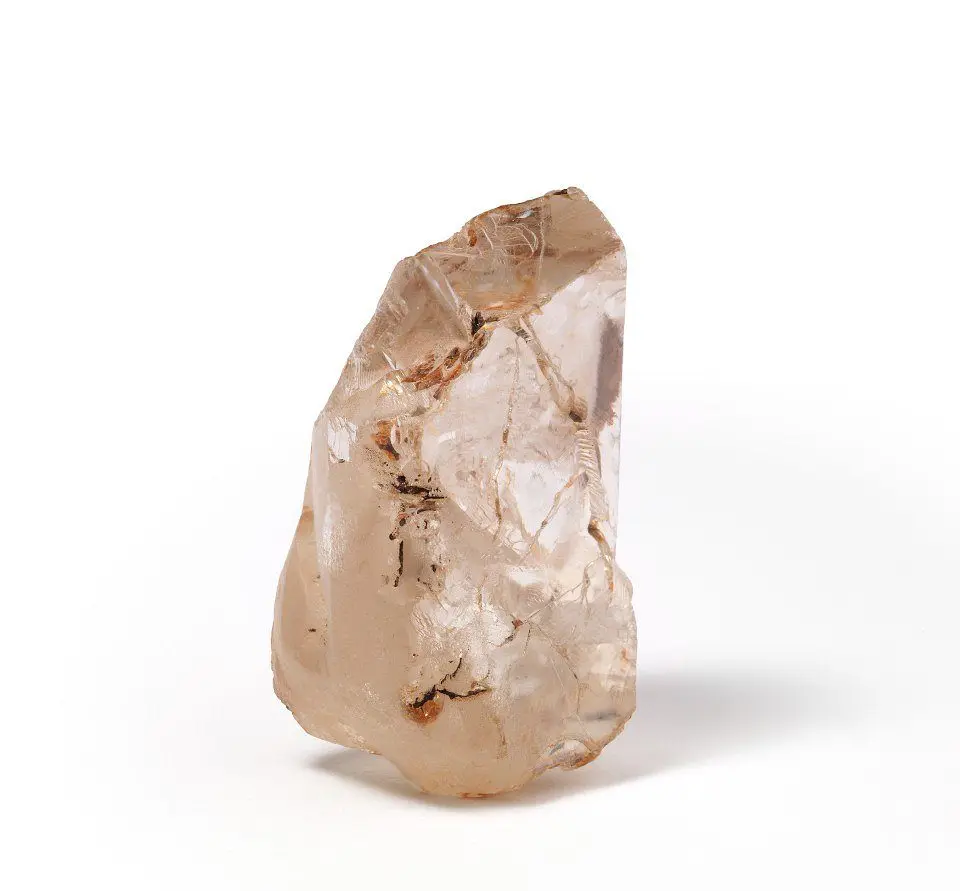
Diamonds (rough) C
Africa produces most of the world's rough diamonds by value. Botswana is the #1 producer by value, and Angola, the DRC (#1 by volume, mostly industrial quality), South Africa, Namibia (marine diamonds), Zimbabwe, Sierra Leone and Lesotho (Letšeng, very high value per carat) follow. Rough trade is regulated by the Kimberley Process. Since 2022 the market has been in a deep downturn from lab-grown competition: De Beers' rough sales fell from US$5.67bn in 2022 to US$1.95bn in 2024.
- Supply
- Contract / Enquiry — Kimberley Process-certified only
- Assay
- Independent — required
- Origin
- Verified per offer
03Strategic minerals
Vanadium and chrome
Steel-alloy metals from the Bushveld Complex and the Great Dyke.
Tech & industrial metals
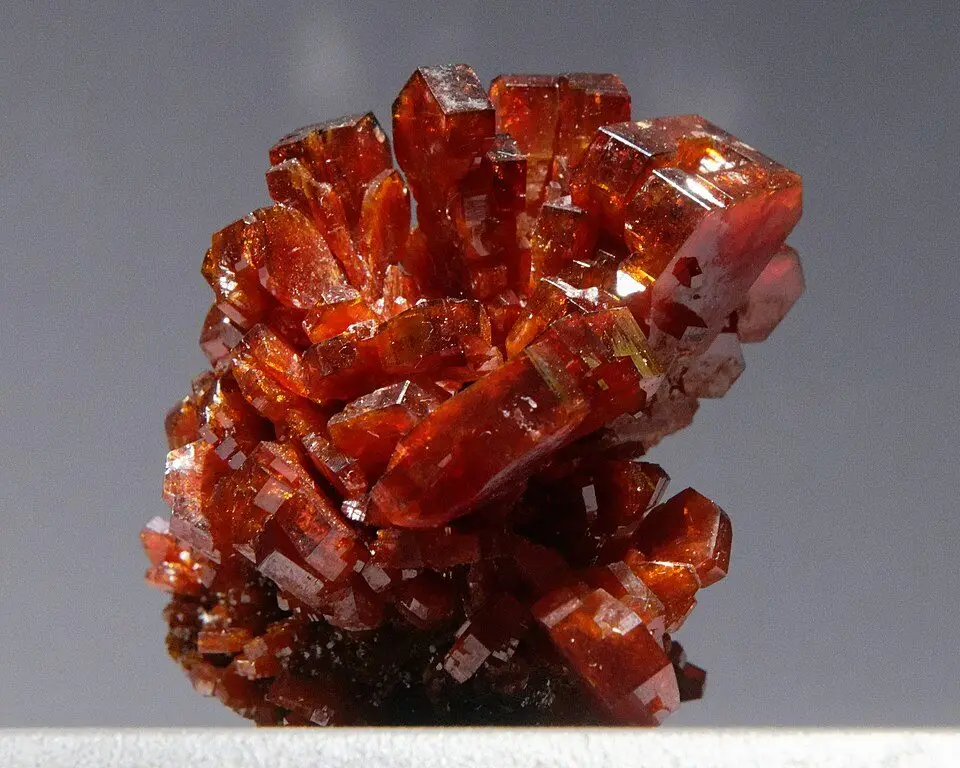
Vanadium V
About 90% of vanadium is used to strengthen steel (ferrovanadium in rebar and high-strength low-alloy steel). The rest goes into titanium alloys for aerospace and into electrolyte for vanadium redox flow batteries (VRFB), which store grid-scale energy. South Africa's Bushveld titanomagnetite is one of the four big sources, with China, Russia and Brazil. Several South African plants have closed or cut output, so supply is concentrated.
- Supply
- Contract / Spot
- Assay
- Independent — required
- Origin
- Verified per offer
Tech & industrial metals
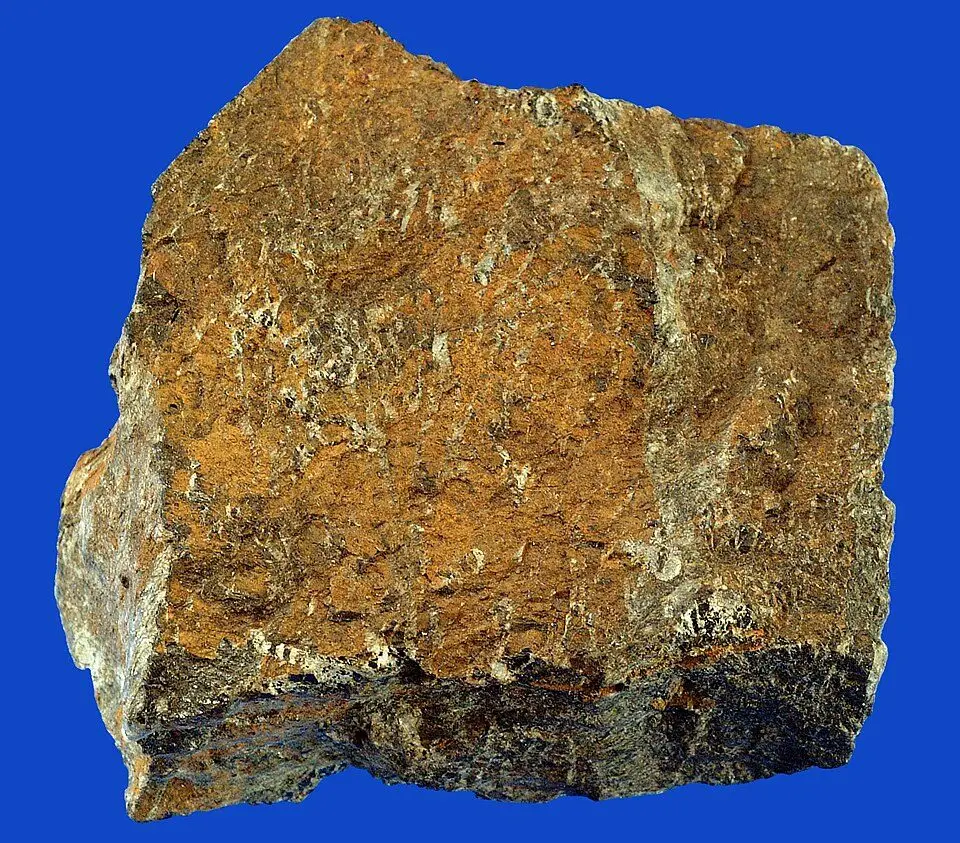
Chrome (Chromite) Cr
Chromite ore is smelted into ferrochrome, which makes stainless steel stainless. South Africa's Bushveld Complex holds more than 80% of the world's chromite reserves and is the dominant exporter of chrome ore, mostly to China. A large share comes as UG2 chrome concentrate recovered from platinum-mine tailings. Zimbabwe's Great Dyke is the #2 African source, and Zimbabwe bans raw chrome ore exports to force local ferrochrome smelting.
- Supply
- Spot + Contract (ferrochrome only from Zimbabwe)
- Assay
- Independent — required
- Origin
- Verified per offer
04Strategic minerals
Titanium and zircon
Mineral sands from Mozambique, Senegal, Kenya, Madagascar, Sierra Leone and South Africa.
Tech & industrial metals
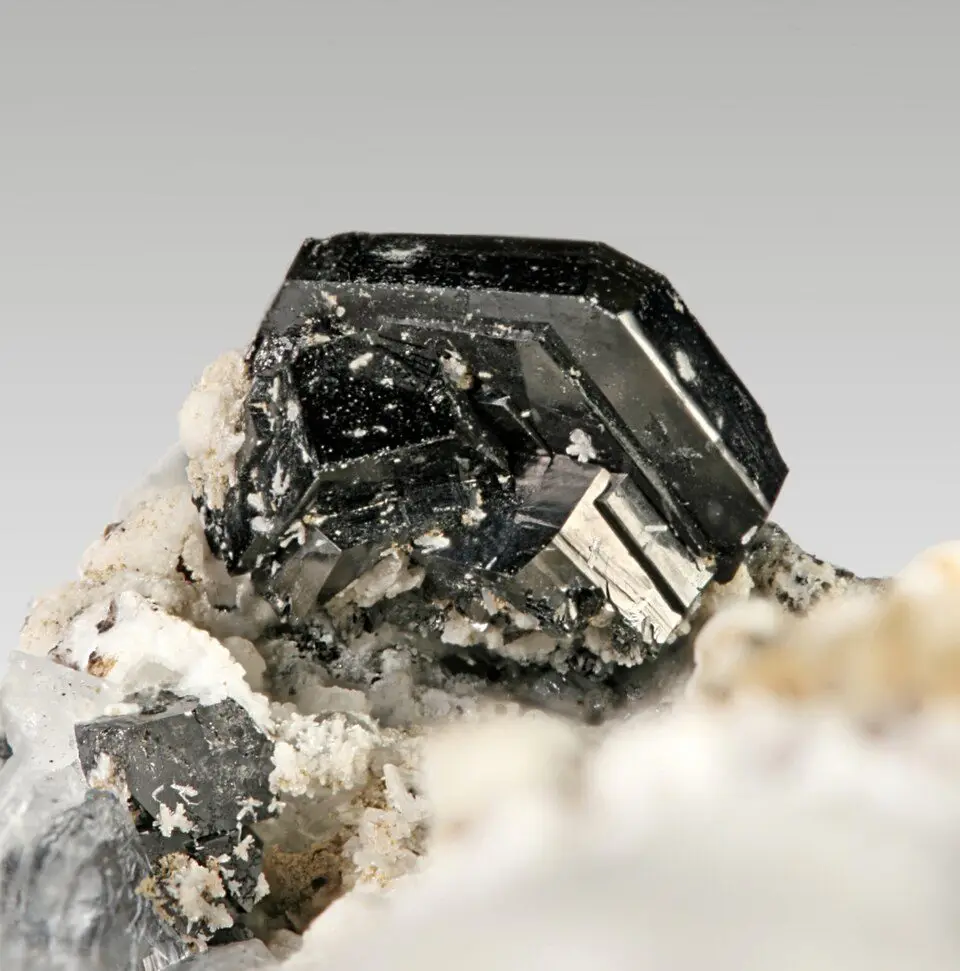
Titanium Minerals (Ilmenite, Rutile) Ti
Titanium minerals come from heavy-mineral beach and dune sands. Ilmenite and rutile feed titanium dioxide (TiO2) pigment, the white in paint, plastics and paper, which takes about 90% of demand. They also feed titanium metal for aerospace and medical uses, and welding-rod coatings. Africa is a major producer: Mozambique (Moma), South Africa (Richards Bay), Senegal (Grande Côte), Kenya (Kwale), Madagascar (QMM) and Sierra Leone, home of Sierra Rutile, one of the world's largest natural rutile deposits.
- Supply
- Contract
- Assay
- Independent — required
- Origin
- Verified per offer
Tech & industrial metals
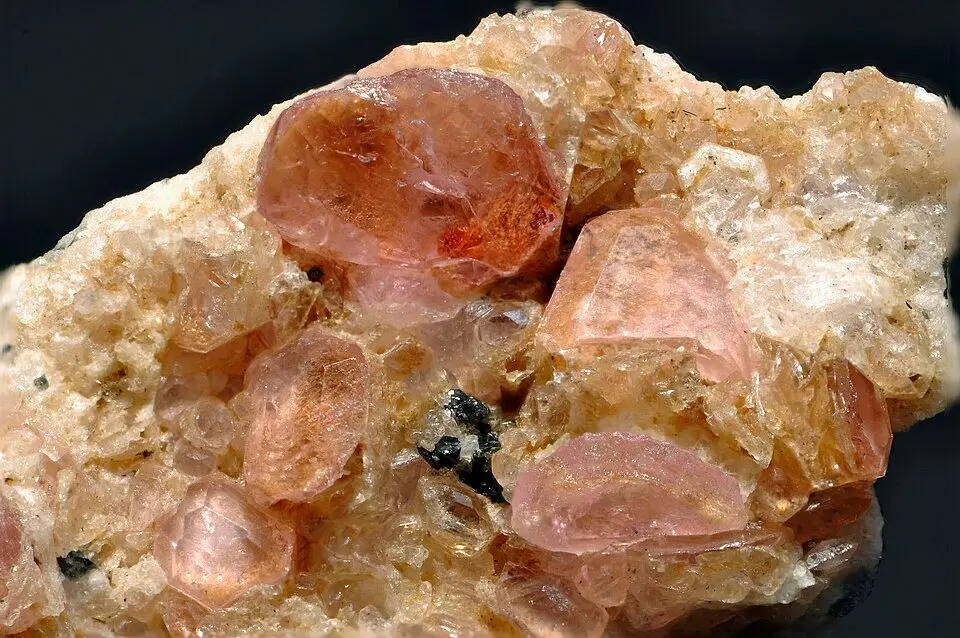
Zircon Zr
Zircon (ZrSiO4) is the co-product of titanium mineral sands. It is mainly used in ceramic tiles and sanitaryware as an opacifier, and also in foundry sands, refractories, zirconium chemicals, and zirconium metal for nuclear fuel cladding. African mineral-sands operations are major zircon suppliers. Senegal's Grande Côte is the world's #4 producer.
- Supply
- Contract
- Assay
- Independent — required
- Origin
- Verified per offer
05Strategic minerals
Fluorspar, bauxite and phosphate
Industrial and food-security minerals with state producers and bulk logistics.
Tech & industrial metals
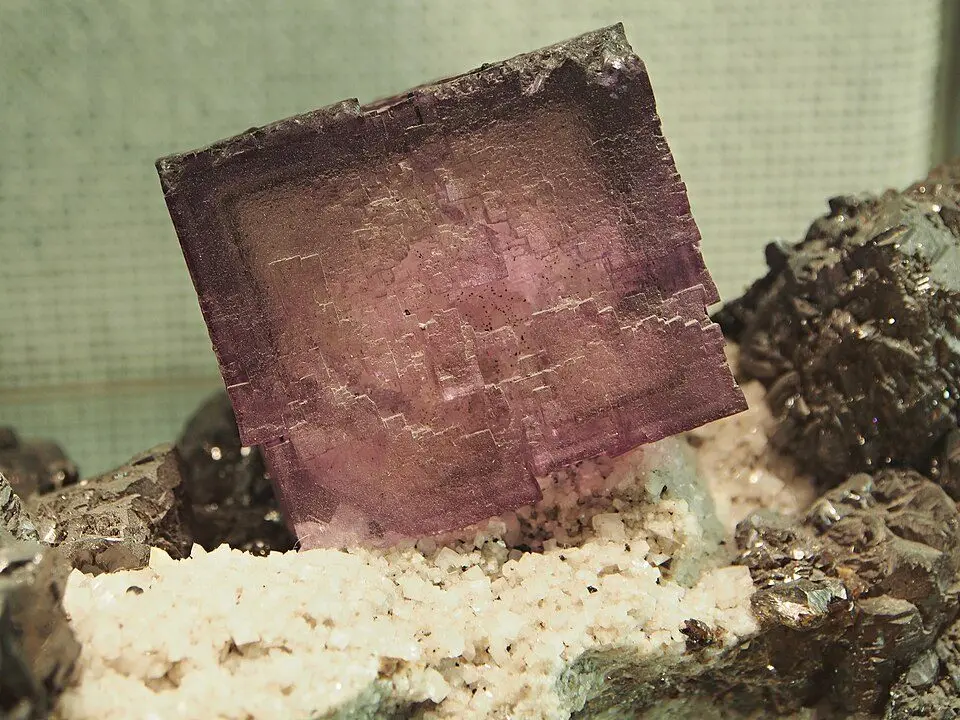
Fluorspar CaF2
Fluorspar (fluorite, CaF2) is the raw material for hydrofluoric acid and therefore for the entire fluorochemical chain: refrigerants, fluoropolymers (PTFE), aluminium fluoride, and LiPF6 electrolyte and PVDF binder in lithium-ion batteries. The EU and US list it as critical, and China, the largest producer, has turned into a net importer. South Africa holds some of the world's largest resources, and Kenya's Kerio Valley operation is restarting.
- Supply
- Contract / Pre-production
- Assay
- Independent — required
- Origin
- Verified per offer
Bulk industrial
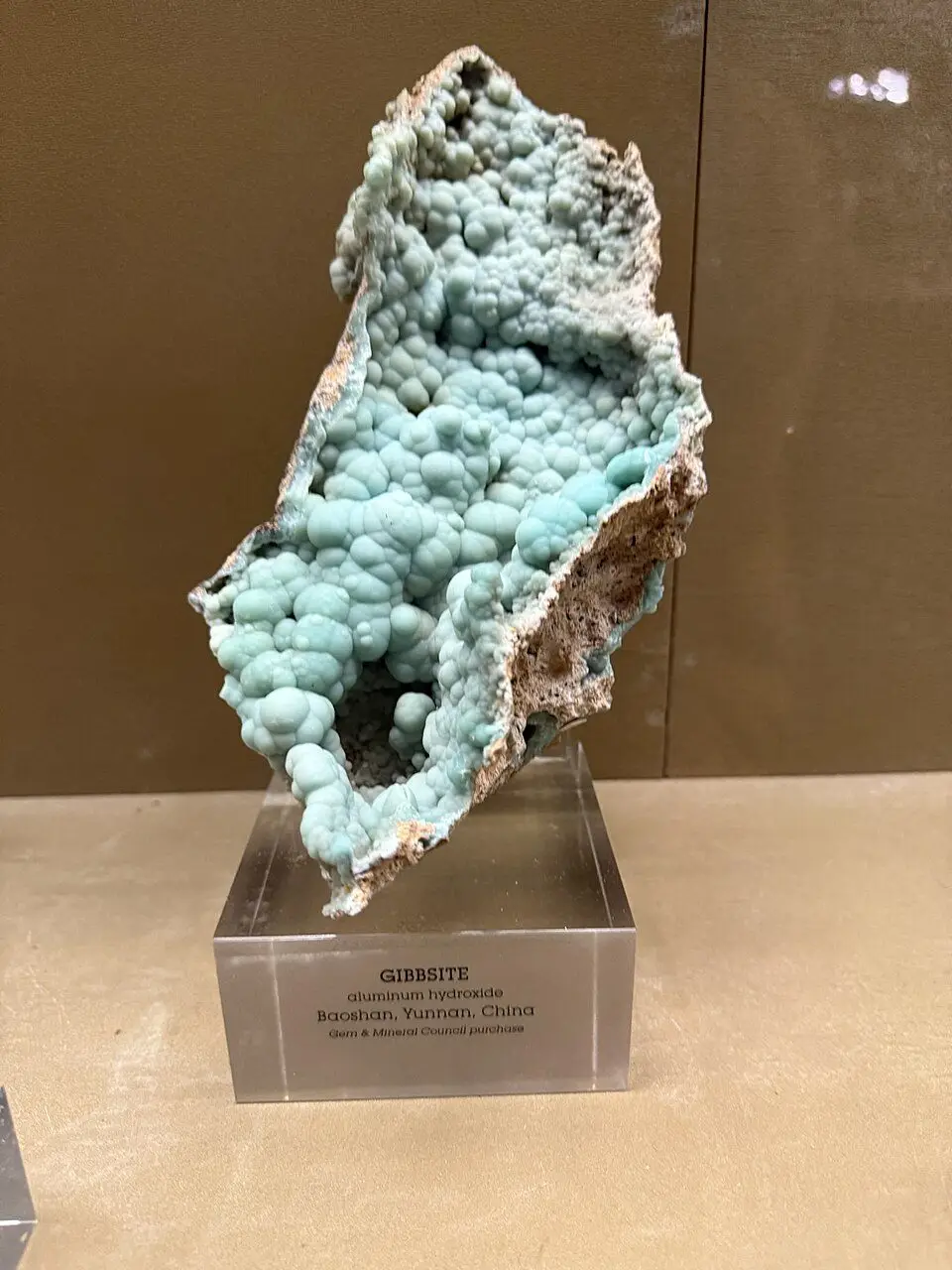
Bauxite Al
Bauxite is the ore of aluminium, refined into alumina and then smelted into metal. Guinea has the world's largest reserves and is the largest exporter by far, mostly to China's refineries, with exports near 200 Mt/yr and H1 2025 up 26 Mt year on year. Guinea is pushing miners to build local alumina refineries and revoked GAC's (EGA) Boké licence in August 2025. Ghana, Sierra Leone and Mozambique are smaller producers.
- Supply
- Contract
- Assay
- Independent — required
- Origin
- Verified per offer
Bulk industrial
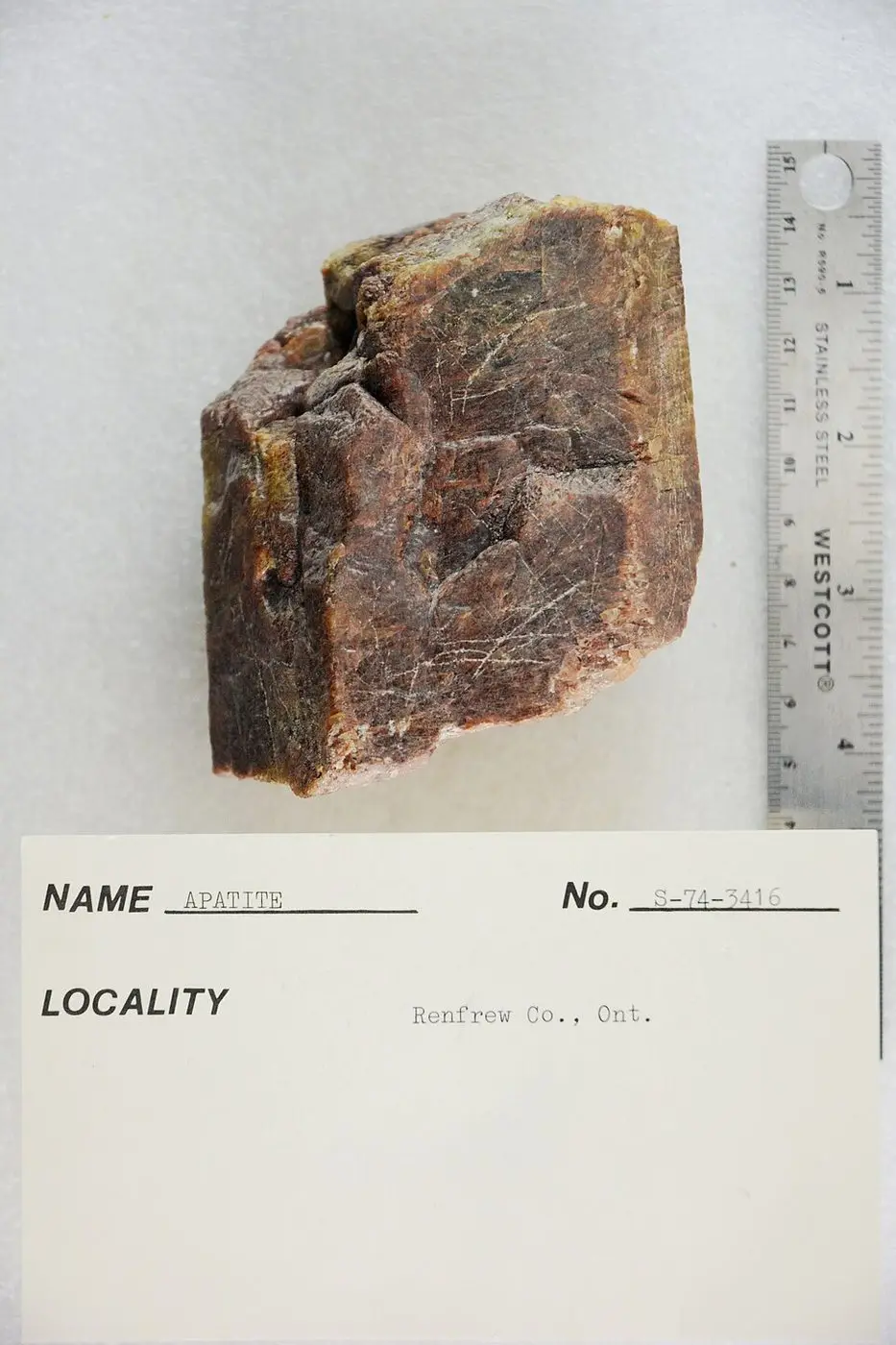
Phosphate Rock P
Phosphate rock is the source of phosphorus fertilisers, a food-security commodity, and increasingly of purified phosphoric acid for LFP batteries. Morocco (OCP) holds about 70% of the world's reserves and is the largest exporter of rock, acid and fertiliser. Egypt, Tunisia, Senegal, Togo, Algeria and South Africa also produce. The EU lists phosphate rock as a critical raw material.
- Supply
- Contract
- Assay
- Independent — required
- Origin
- Verified per offer
06Strategic minerals
Uranium
Information and licensed-counterparty enquiries only — no public offers.