ARAM · Minerals
Africa’s critical minerals, on the record.
22 commodities from 33 African producing countries — each with traded grades, supply data, pricing basis, export rules and the due diligence buyers need before they contract.
- Commodities
- 22
- Countries
- 33
- Pipeline projects
- 16
- DR Congo
- Zambia
- South Africa
- Zimbabwe
- Madagascar
- Morocco
- Mali
- Namibia
- Nigeria
- Mozambique
- Tanzania
- Gabon
- Ghana
- Côte d'Ivoire
- Angola
- Malawi
- Uganda
- Rwanda
- Ethiopia
- Burundi
- Senegal
- Kenya
- Sierra Leone
- Burkina Faso
- Sudan
- Botswana
- Lesotho
- Niger
- Guinea
- Egypt
- Tunisia
- Togo
- Algeria
01Top 10 to source
The minerals buyers are asking Africa for.
Ranked on global demand, Africa's share of supply, room for an independent sourcing partner and compliance complexity.
 #01
#01Battery minerals
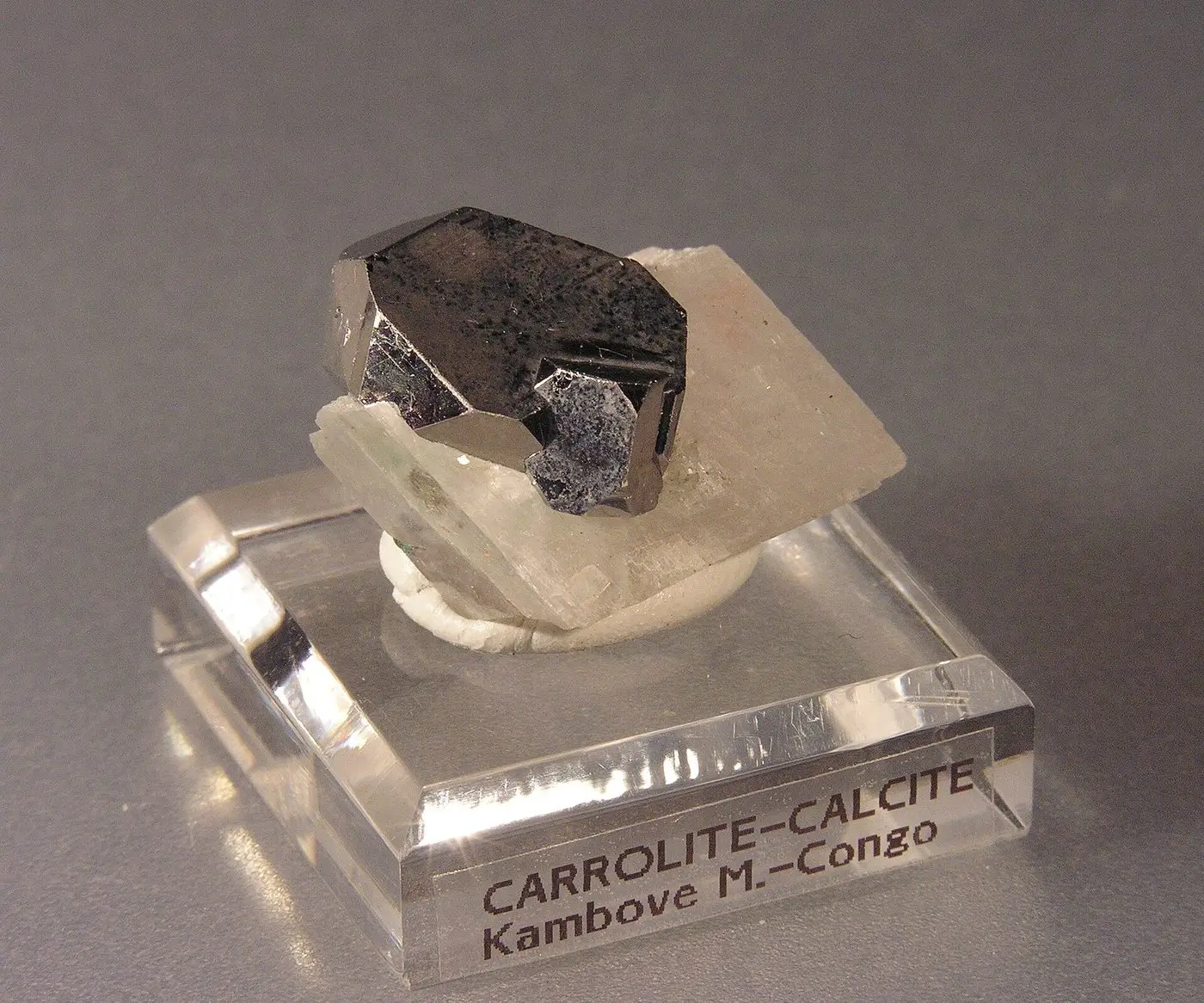
Cobalt Co
Cobalt is a battery and superalloy metal, and the DRC supplies roughly 70–75% of the world's mined cobalt, almost all as a by-product of copper mining. Most DRC output leaves as cobalt hydroxide, an intermediate that is refined (mostly in China) into sulphate for batteries or metal for alloys. Since 2025 the DRC has controlled exports through the ARECOMS quota system, turning a surplus market into a managed one.
- Supply
- Export-restricted → Contract
- Assay
- Independent — required
- Origin
- Verified per offer
 #02
#02Battery minerals
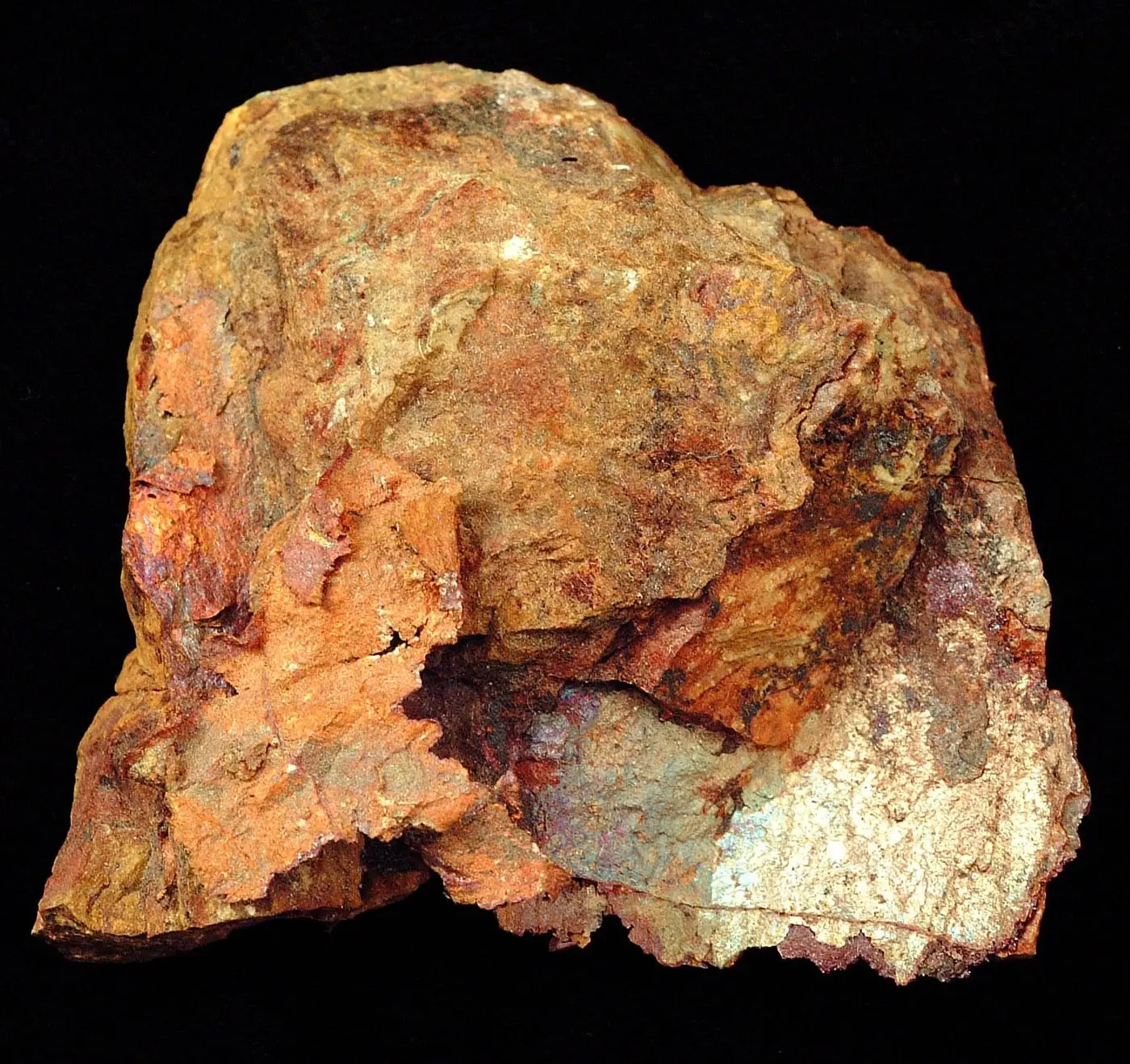
Copper Cu
Copper is the backbone of electrification: power grids, EV motors and wiring, renewables and data centres. The DRC is now the world's #2 mine producer after Chile, and Zambia is Africa's #2; together they form the Central African Copperbelt, one of the world's highest-grade copper provinces. Africa exports copper at every stage, from concentrate to refined cathode.
- Supply
- Spot + Contract
- Assay
- Independent — required
- Origin
- Verified per offer
 #03
#03Rare earths
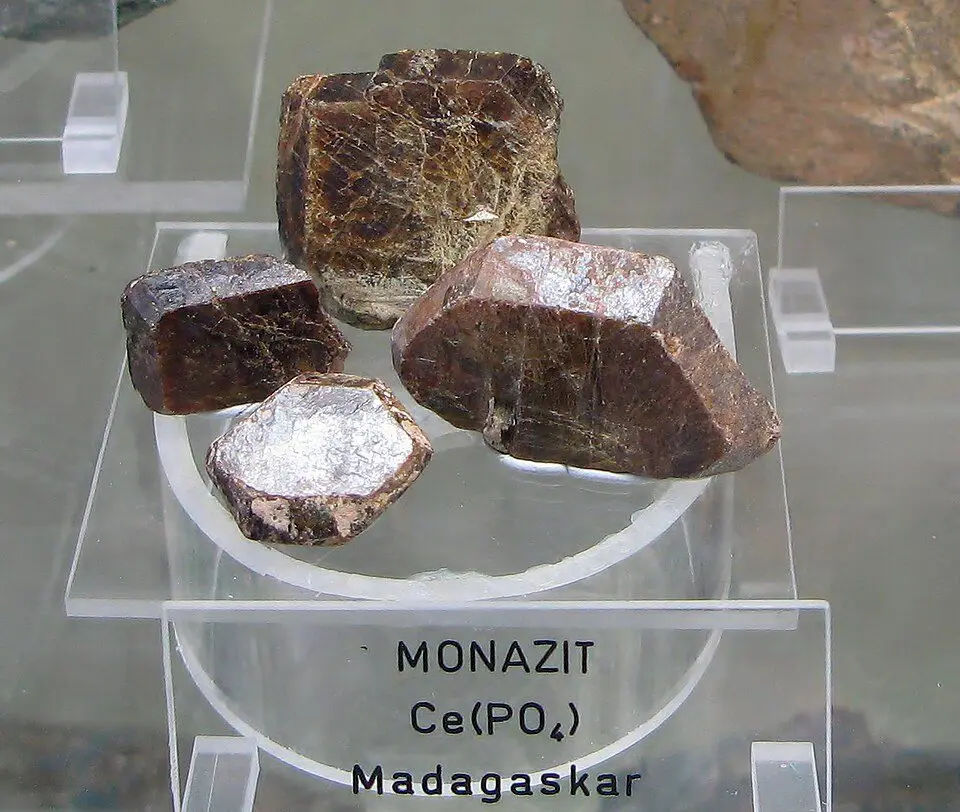
Rare Earths — Light (NdPr) Nd, Pr
The light rare earths neodymium (Nd) and praseodymium (Pr), traded together as 'NdPr', are the key ingredients of NdFeB permanent magnets used in EV motors, wind turbines, robotics, drones and defence systems. China controls about 60–70% of mining and around 90% of separation and magnet making, and has used export controls since 2023–25. Africa has a strong pipeline of carbonatite and monazite deposits, mostly in construction or development in 2026. Early African output will be concentrate or mixed carbonate, not separated oxide.
- Supply
- Pre-production pipeline
- Assay
- Independent — required
- Origin
- Verified per offer
 #04
#04Battery minerals
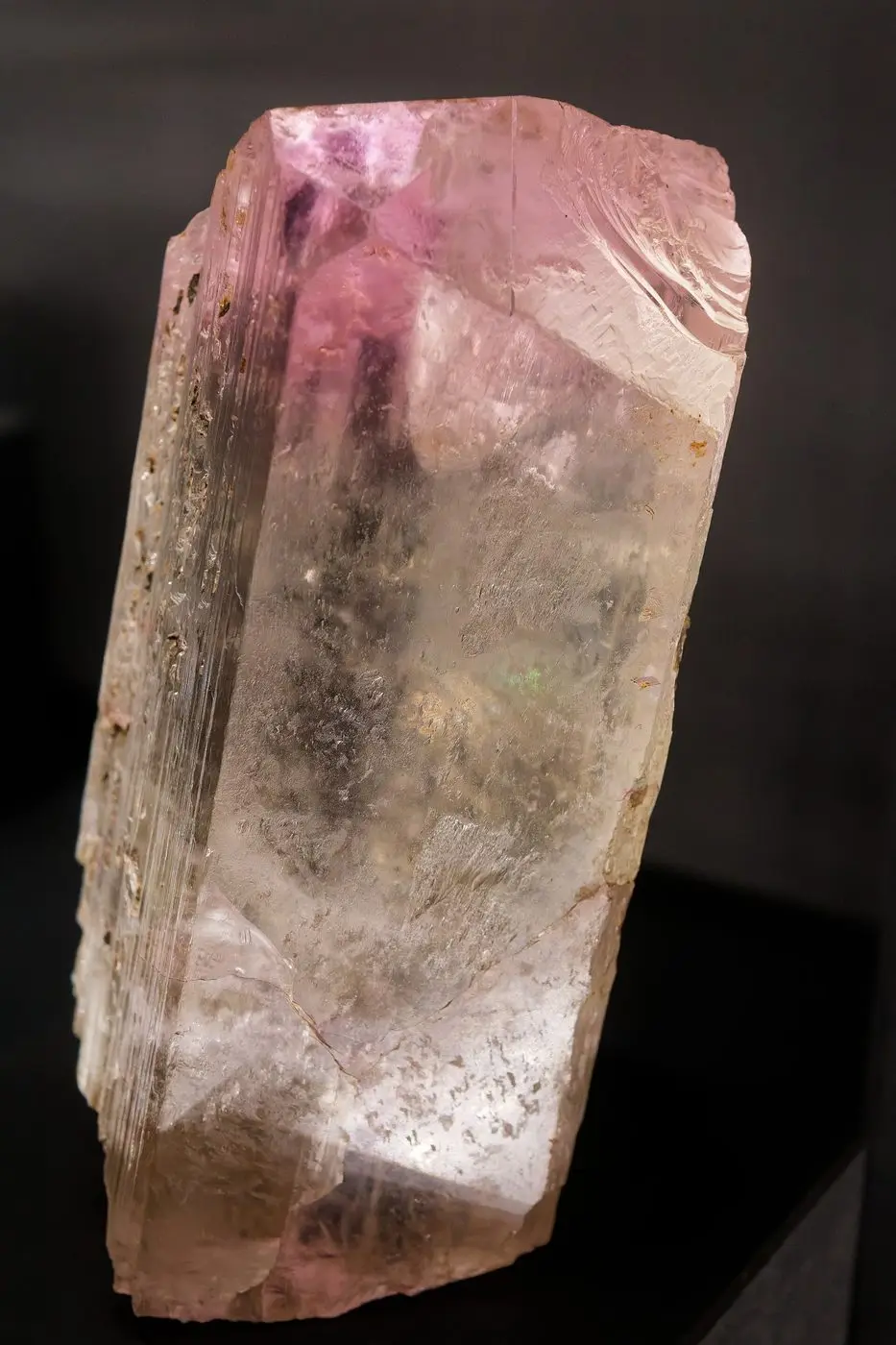
Lithium Li
Lithium is the defining battery metal. Africa went from almost nothing to one of the fastest-growing supply regions in 2023–25, led by Zimbabwe (Africa's #1, top-5 globally), then Mali (Goulamina, Bougouni), Nigeria and Namibia. African lithium is hard-rock (spodumene, petalite, lepidolite pegmatites), sold as mineral concentrate. Governments now force local processing: raw ore export bans are in place, and Zimbabwe is moving to ban concentrate in favour of lithium sulphate.
- Supply
- Contract / Pre-production (export-restricted in Zimbabwe, Namibia)
- Assay
- Independent — required
- Origin
- Verified per offer
 #05
#05Battery minerals
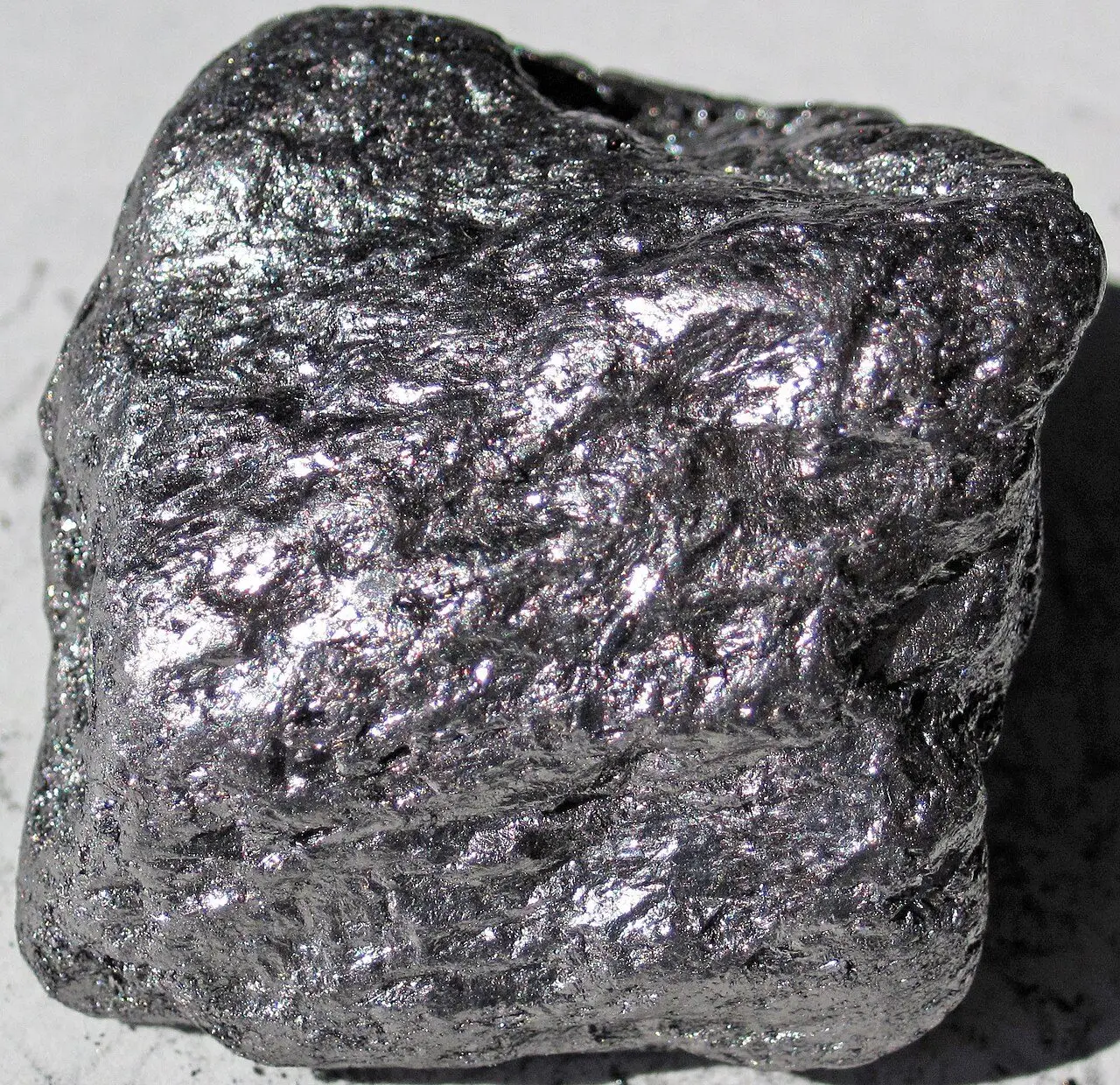
Graphite C
Natural flake graphite is the main raw material for battery anodes (as spherical graphite) and for refractories. China controls most mining and more than 90% of anode processing and has tightened graphite export controls since December 2023. That makes African flake strategically valuable. Mozambique (Balama, the world's largest flake mine), Madagascar and Tanzania are the key sources.
- Supply
- Contract + Pre-production
- Assay
- Independent — required
- Origin
- Verified per offer
 #06
#063TG conflict minerals
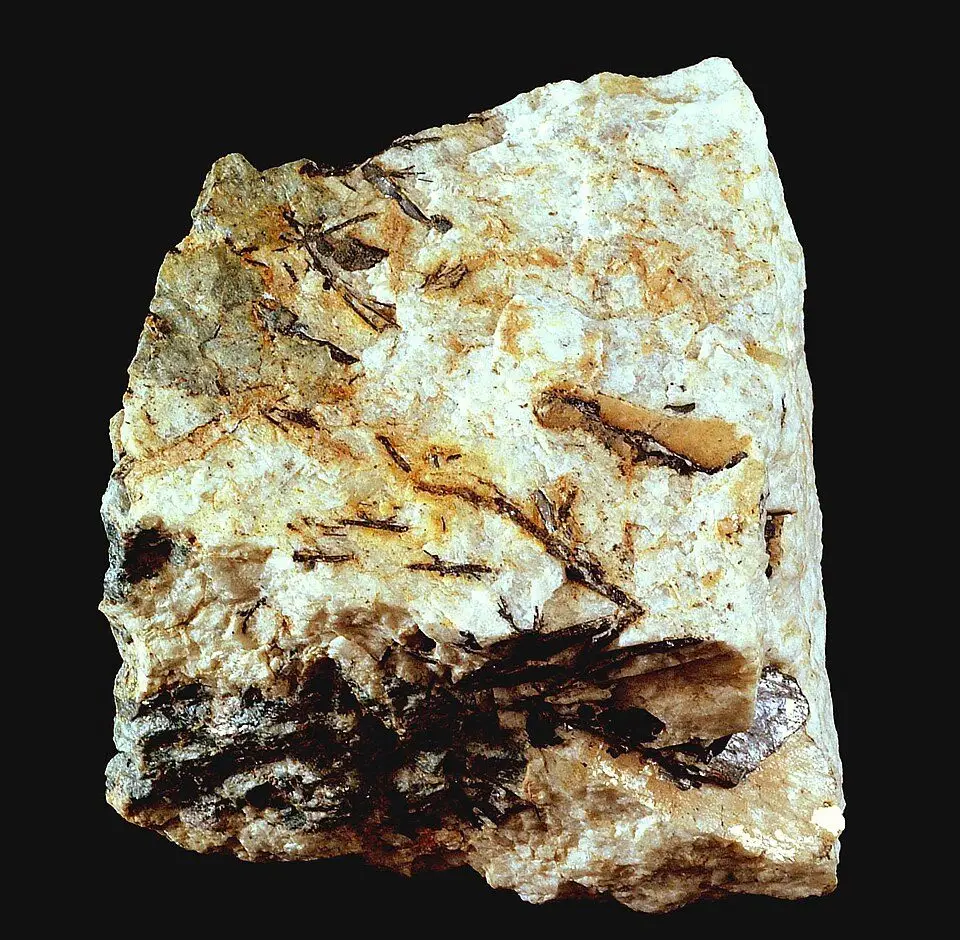
Tantalum (Coltan) Ta
Tantalum is used for capacitors in phones, laptops and cars, and in aerospace superalloys, medical implants and sputtering targets. Its ore, coltan (columbite-tantalite), comes mainly from the African Great Lakes region: the DRC and Rwanda together supply about 60% of the world's mined tantalum, much of it artisanal. Tantalum is one of the four 'conflict minerals' (3TG), and eastern DRC conflict (M23's control of Rubaya since 2024) makes due diligence decisive.
- Supply
- Contract — verified 3TG supply only
- Assay
- Independent — required
- Origin
- Verified per offer
 #07
#07Tech & industrial metals
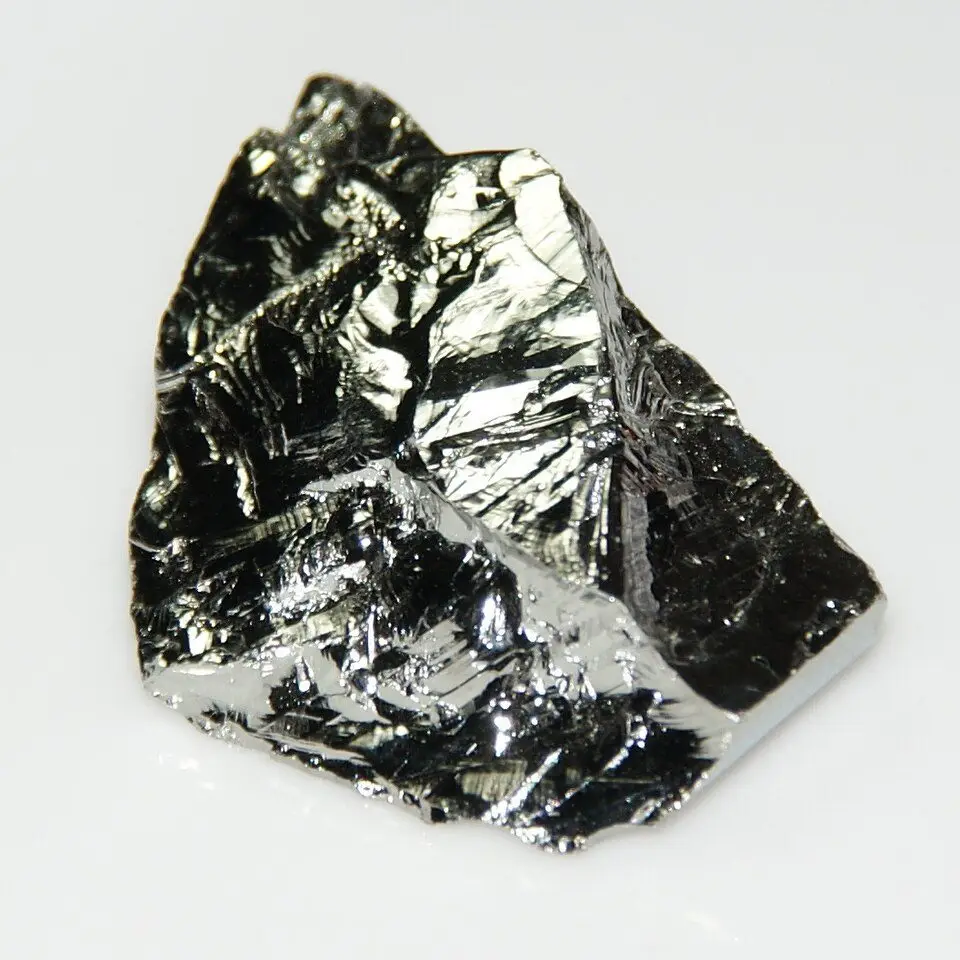
Germanium Ge
Germanium is a minor metal used in fibre optics, infrared optics (night vision, thermal imaging for defence), satellite solar cells and semiconductors. China dominates supply and has restricted exports since August 2023, tightening further in 2024. The DRC's Big Hill tailings in Lubumbashi, historic slag and tailings from Gécamines' zinc-copper operations, are now one of the very few new non-Chinese sources: STL processes them and Umicore refines the concentrate in Belgium.
- Supply
- Contract (limited) + Pipeline
- Assay
- Independent — required
- Origin
- Verified per offer
 #08
#08Precious
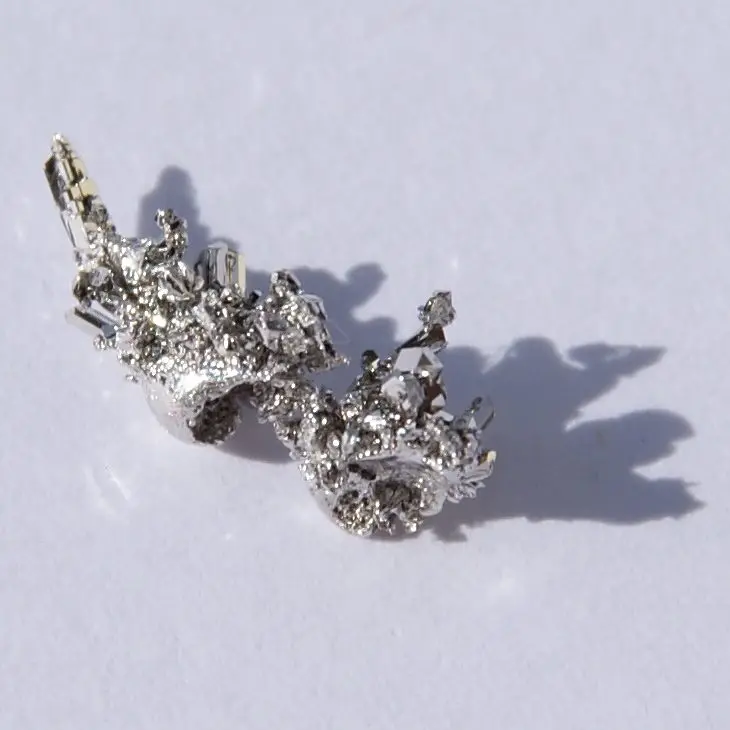
Platinum-Group Metals Pt, Pd, Rh
The platinum-group metals are platinum, palladium, rhodium, ruthenium, iridium and osmium. They are used in autocatalysts, hydrogen electrolysers and fuel cells, glass, electronics, chemicals, jewellery and investment. South Africa's Bushveld Complex holds most of the world's PGM reserves and produces about 70% of its platinum and more than 80% of its rhodium. Zimbabwe's Great Dyke is the #3 platinum source. The industry is dominated by a few integrated miners that smelt and refine in South Africa.
- Supply
- Contract (concentrate) / Spot (refined, licensed)
- Assay
- Independent — required
- Origin
- Verified per offer
 #09
#09Battery minerals
Manganese Mn
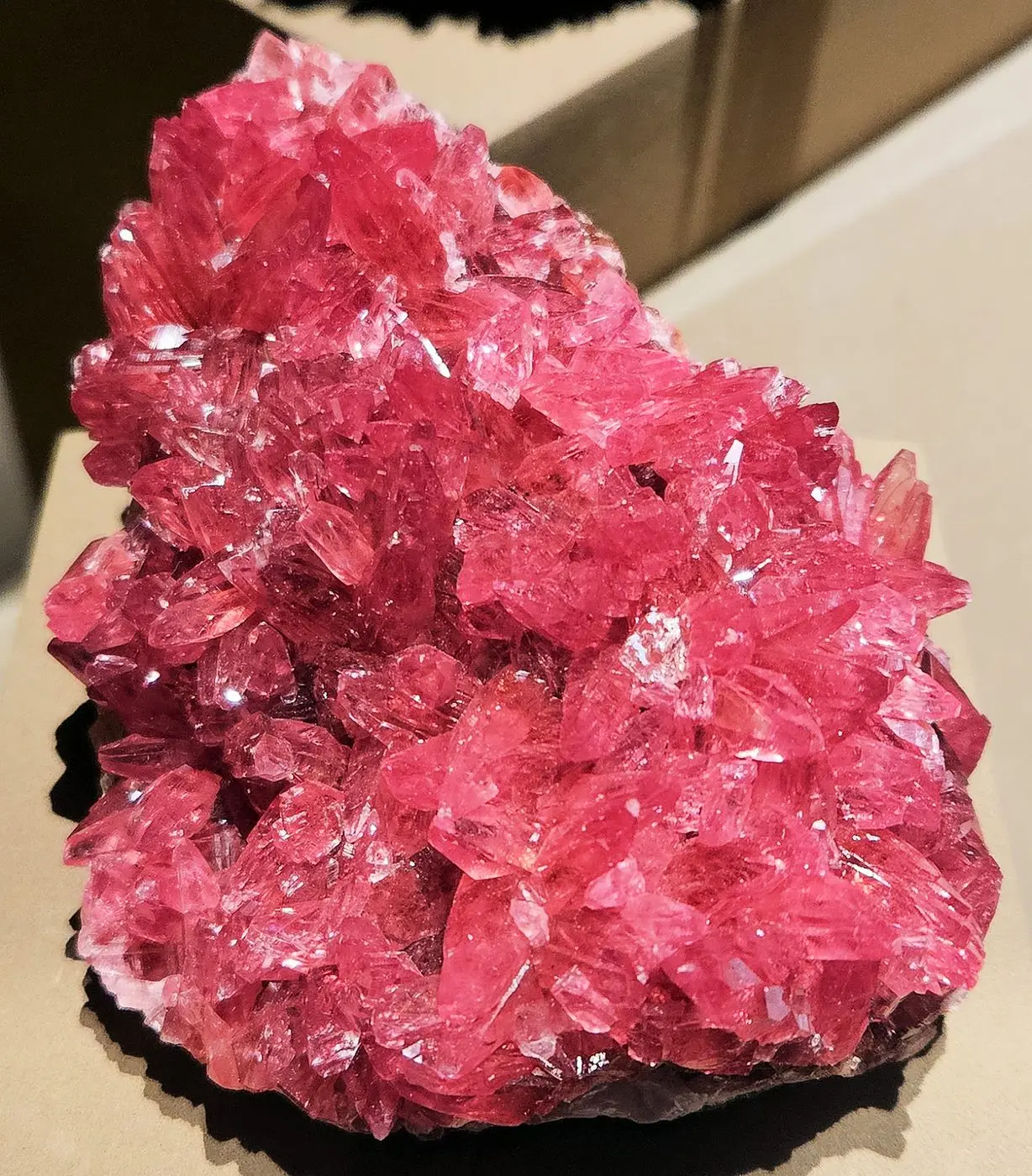
Manganese is essential to all steelmaking (as ferromanganese and silicomanganese alloys) and is a growing battery input as high-purity manganese sulphate (HPMSM) for NMC and LMFP cathodes. South Africa holds the Kalahari Manganese Field, about 70–80% of the world's economic manganese resources, and is the world's largest producer. Gabon (Moanda) supplies the highest-grade ore.
- Supply
- Spot + Contract
- Assay
- Independent — required
- Origin
- Verified per offer
 #10
#10Precious
Gold Au
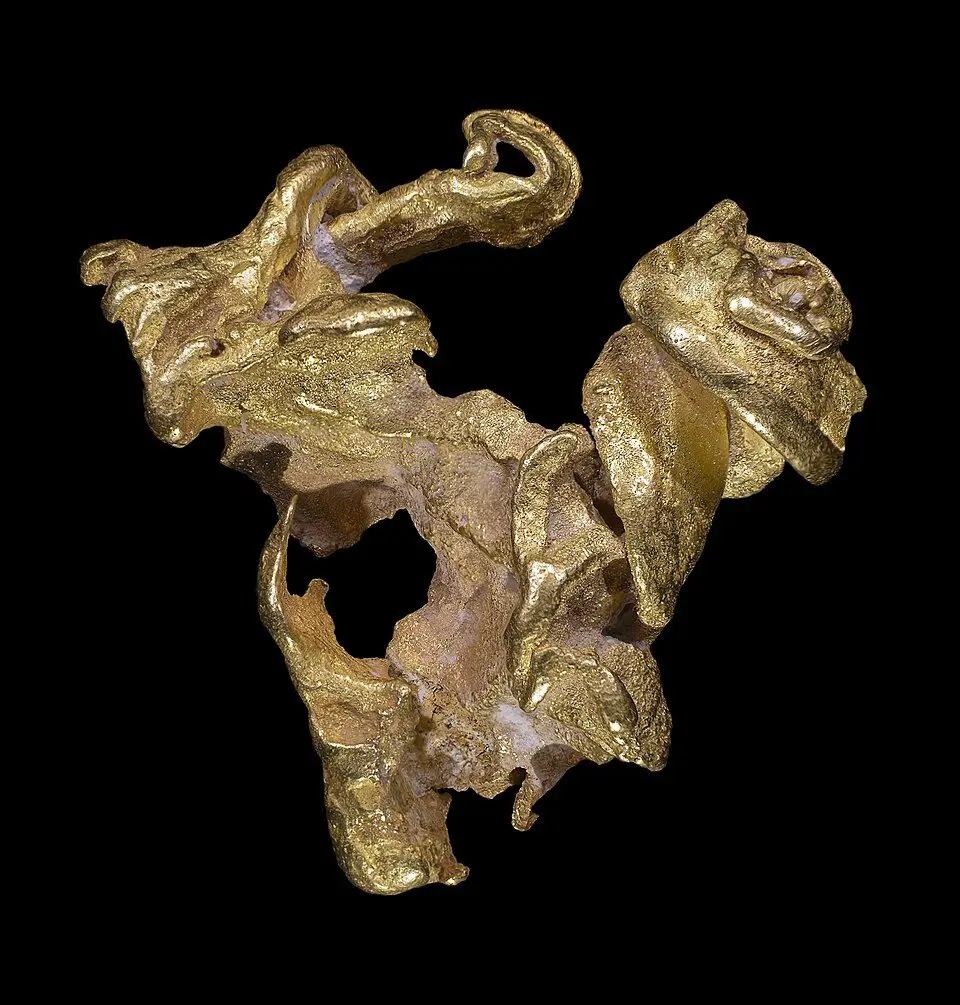
Gold is the most liquid commodity on the list and Africa's largest mineral export by value. The top producers are Ghana (Africa's #1, about 6 Moz in 2025), Mali, South Africa, Burkina Faso, Sudan, Tanzania and Zimbabwe. Supply splits into large-scale mines selling doré to accredited refiners, and artisanal and small-scale mining (ASM), which employs millions and is the channel most exposed to smuggling, conflict financing and money laundering. It is traded under the strictest due-diligence regime of any mineral.
- Supply
- Spot — verified buyers only
- Assay
- Independent — required
- Origin
- Verified per offer
02All commodities
Every mineral, by group.
Battery minerals
#02Battery minerals
Copper Cu
Copper is the backbone of electrification: power grids, EV motors and wiring, renewables and data centres. The DRC is now the world's #2 mine producer after Chile, and Zambia is Africa's #2; together they form the Central African Copperbelt, one of the world's highest-grade copper provinces. Africa exports copper at every stage, from concentrate to refined cathode.
- Supply
- Spot + Contract
- Assay
- Independent — required
- Origin
- Verified per offer
#01Battery minerals
Cobalt Co
Cobalt is a battery and superalloy metal, and the DRC supplies roughly 70–75% of the world's mined cobalt, almost all as a by-product of copper mining. Most DRC output leaves as cobalt hydroxide, an intermediate that is refined (mostly in China) into sulphate for batteries or metal for alloys. Since 2025 the DRC has controlled exports through the ARECOMS quota system, turning a surplus market into a managed one.
- Supply
- Export-restricted → Contract
- Assay
- Independent — required
- Origin
- Verified per offer
#04Battery minerals
Lithium Li
Lithium is the defining battery metal. Africa went from almost nothing to one of the fastest-growing supply regions in 2023–25, led by Zimbabwe (Africa's #1, top-5 globally), then Mali (Goulamina, Bougouni), Nigeria and Namibia. African lithium is hard-rock (spodumene, petalite, lepidolite pegmatites), sold as mineral concentrate. Governments now force local processing: raw ore export bans are in place, and Zimbabwe is moving to ban concentrate in favour of lithium sulphate.
- Supply
- Contract / Pre-production (export-restricted in Zimbabwe, Namibia)
- Assay
- Independent — required
- Origin
- Verified per offer
#05Battery minerals
Graphite C
Natural flake graphite is the main raw material for battery anodes (as spherical graphite) and for refractories. China controls most mining and more than 90% of anode processing and has tightened graphite export controls since December 2023. That makes African flake strategically valuable. Mozambique (Balama, the world's largest flake mine), Madagascar and Tanzania are the key sources.
- Supply
- Contract + Pre-production
- Assay
- Independent — required
- Origin
- Verified per offer
#09Battery minerals
Manganese Mn
Manganese is essential to all steelmaking (as ferromanganese and silicomanganese alloys) and is a growing battery input as high-purity manganese sulphate (HPMSM) for NMC and LMFP cathodes. South Africa holds the Kalahari Manganese Field, about 70–80% of the world's economic manganese resources, and is the world's largest producer. Gabon (Moanda) supplies the highest-grade ore.
- Supply
- Spot + Contract
- Assay
- Independent — required
- Origin
- Verified per offer
Rare earths
#03Rare earths
Rare Earths — Light (NdPr) Nd, Pr
The light rare earths neodymium (Nd) and praseodymium (Pr), traded together as 'NdPr', are the key ingredients of NdFeB permanent magnets used in EV motors, wind turbines, robotics, drones and defence systems. China controls about 60–70% of mining and around 90% of separation and magnet making, and has used export controls since 2023–25. Africa has a strong pipeline of carbonatite and monazite deposits, mostly in construction or development in 2026. Early African output will be concentrate or mixed carbonate, not separated oxide.
- Supply
- Pre-production pipeline
- Assay
- Independent — required
- Origin
- Verified per offer
Rare earths
Rare Earths — Heavy (Dy, Tb) Dy, Tb
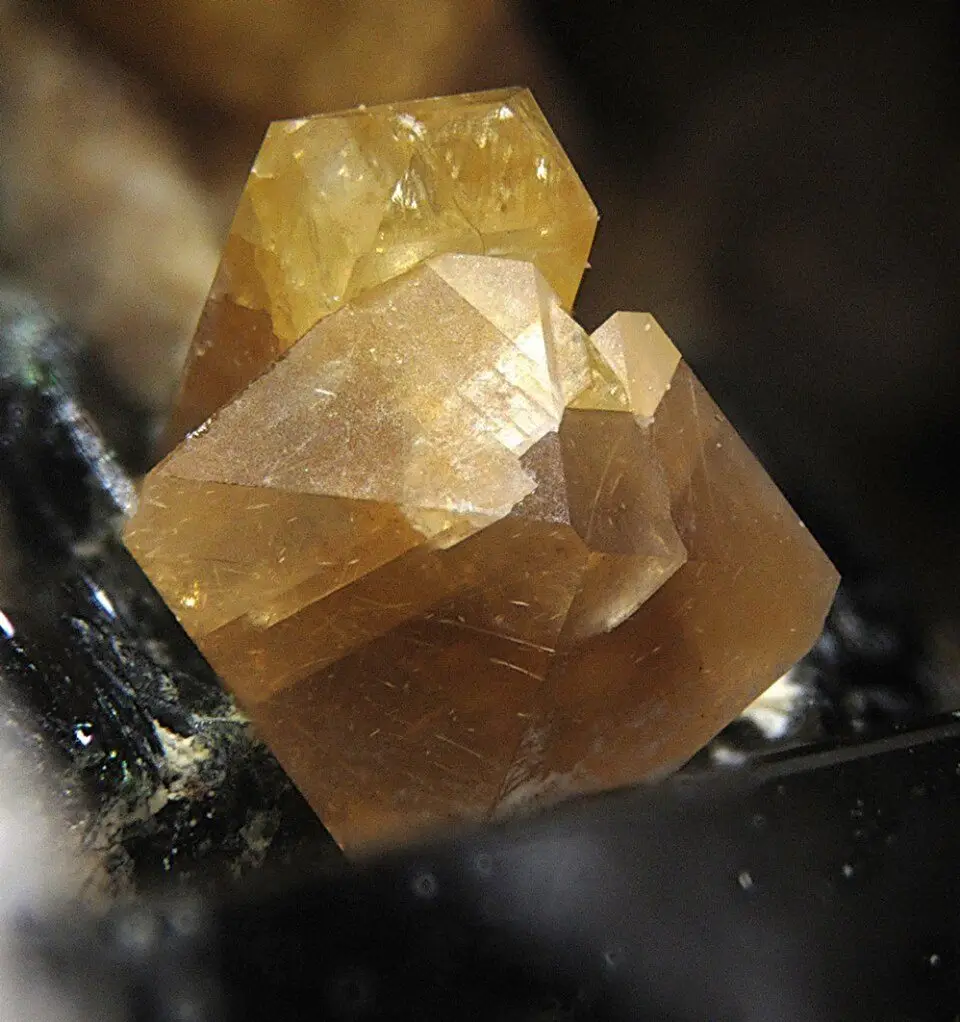
The heavy rare earths dysprosium (Dy) and terbium (Tb) are added to NdFeB magnets so they keep working at high temperatures, as in EV motors and military systems. They are far scarcer than NdPr. China, plus Myanmar ionic clays processed in China, supplies almost all of them, and China restricted Dy/Tb and other medium/heavy REEs from April 2025. Africa's best heavy-REE prospects are Lofdal (Namibia, xenotime) and Makuutu (Uganda, ionic clay).
- Supply
- Pre-production pipeline
- Assay
- Independent — required
- Origin
- Verified per offer
Tech & industrial metals
#07Tech & industrial metals
Germanium Ge
Germanium is a minor metal used in fibre optics, infrared optics (night vision, thermal imaging for defence), satellite solar cells and semiconductors. China dominates supply and has restricted exports since August 2023, tightening further in 2024. The DRC's Big Hill tailings in Lubumbashi, historic slag and tailings from Gécamines' zinc-copper operations, are now one of the very few new non-Chinese sources: STL processes them and Umicore refines the concentrate in Belgium.
- Supply
- Contract (limited) + Pipeline
- Assay
- Independent — required
- Origin
- Verified per offer
Tech & industrial metals
Vanadium V
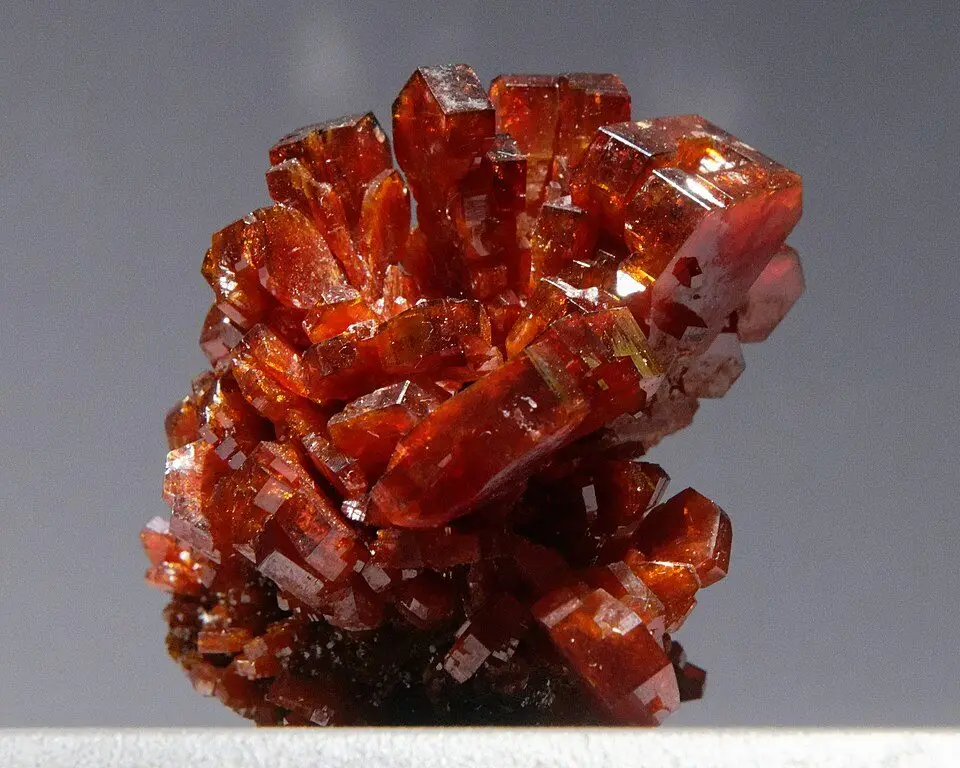
About 90% of vanadium is used to strengthen steel (ferrovanadium in rebar and high-strength low-alloy steel). The rest goes into titanium alloys for aerospace and into electrolyte for vanadium redox flow batteries (VRFB), which store grid-scale energy. South Africa's Bushveld titanomagnetite is one of the four big sources, with China, Russia and Brazil. Several South African plants have closed or cut output, so supply is concentrated.
- Supply
- Contract / Spot
- Assay
- Independent — required
- Origin
- Verified per offer
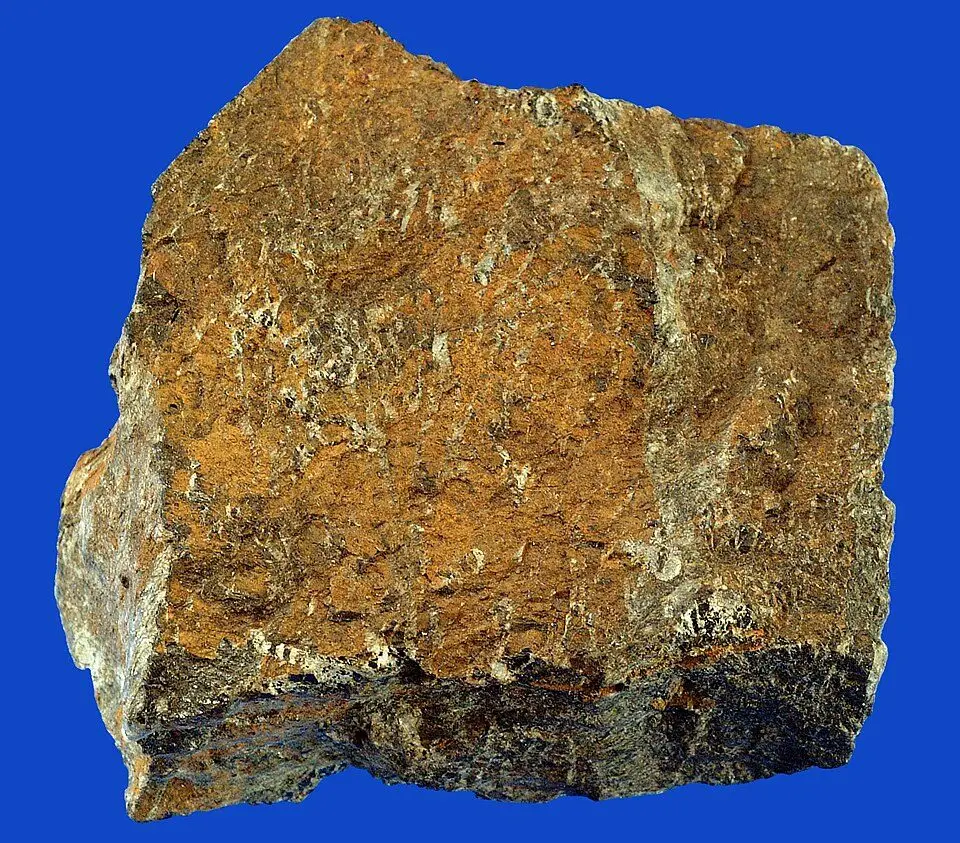
Tech & industrial metals
Chrome (Chromite) Cr
Chromite ore is smelted into ferrochrome, which makes stainless steel stainless. South Africa's Bushveld Complex holds more than 80% of the world's chromite reserves and is the dominant exporter of chrome ore, mostly to China. A large share comes as UG2 chrome concentrate recovered from platinum-mine tailings. Zimbabwe's Great Dyke is the #2 African source, and Zimbabwe bans raw chrome ore exports to force local ferrochrome smelting.
- Supply
- Spot + Contract (ferrochrome only from Zimbabwe)
- Assay
- Independent — required
- Origin
- Verified per offer
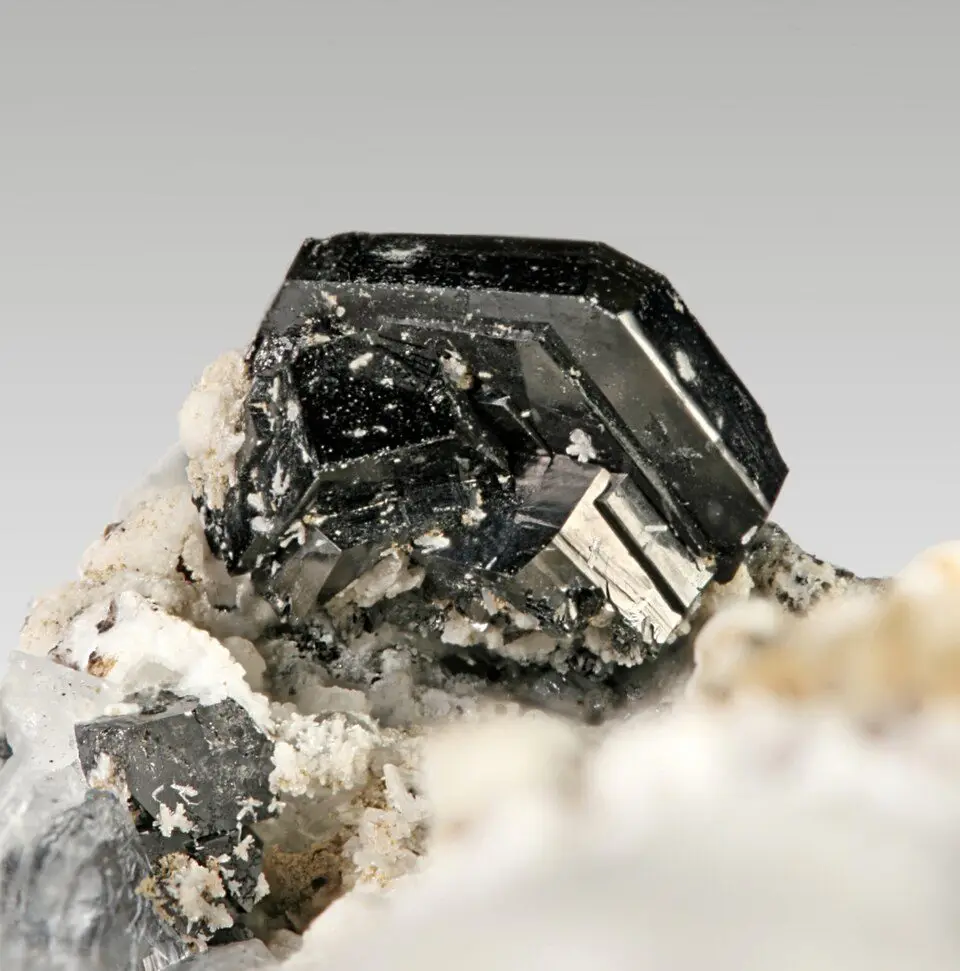
Tech & industrial metals
Titanium Minerals (Ilmenite, Rutile) Ti
Titanium minerals come from heavy-mineral beach and dune sands. Ilmenite and rutile feed titanium dioxide (TiO2) pigment, the white in paint, plastics and paper, which takes about 90% of demand. They also feed titanium metal for aerospace and medical uses, and welding-rod coatings. Africa is a major producer: Mozambique (Moma), South Africa (Richards Bay), Senegal (Grande Côte), Kenya (Kwale), Madagascar (QMM) and Sierra Leone, home of Sierra Rutile, one of the world's largest natural rutile deposits.
- Supply
- Contract
- Assay
- Independent — required
- Origin
- Verified per offer
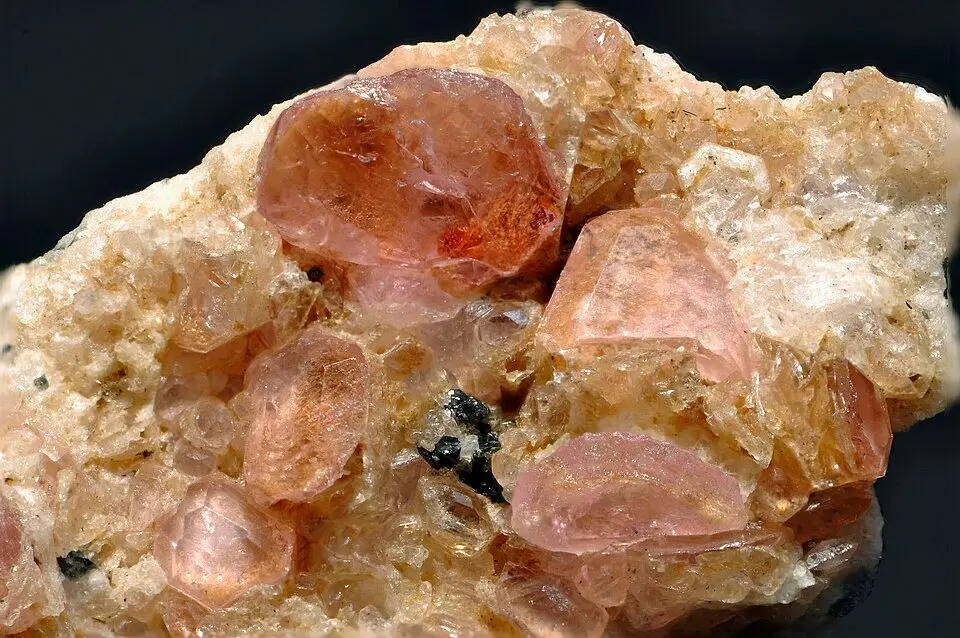
Tech & industrial metals
Zircon Zr
Zircon (ZrSiO4) is the co-product of titanium mineral sands. It is mainly used in ceramic tiles and sanitaryware as an opacifier, and also in foundry sands, refractories, zirconium chemicals, and zirconium metal for nuclear fuel cladding. African mineral-sands operations are major zircon suppliers. Senegal's Grande Côte is the world's #4 producer.
- Supply
- Contract
- Assay
- Independent — required
- Origin
- Verified per offer
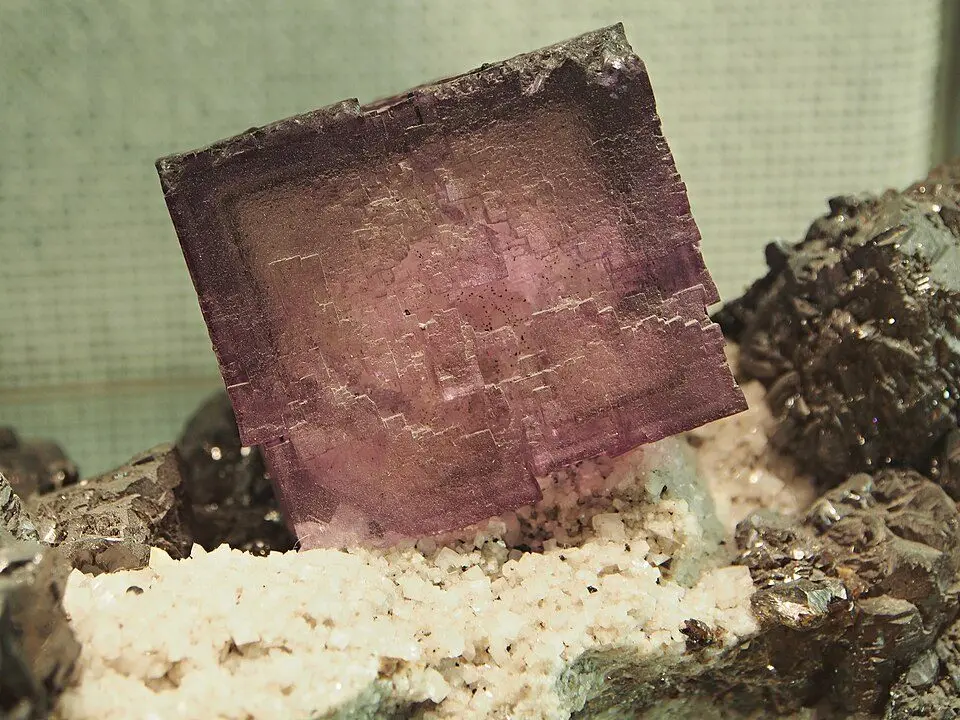
Tech & industrial metals
Fluorspar CaF2
Fluorspar (fluorite, CaF2) is the raw material for hydrofluoric acid and therefore for the entire fluorochemical chain: refrigerants, fluoropolymers (PTFE), aluminium fluoride, and LiPF6 electrolyte and PVDF binder in lithium-ion batteries. The EU and US list it as critical, and China, the largest producer, has turned into a net importer. South Africa holds some of the world's largest resources, and Kenya's Kerio Valley operation is restarting.
- Supply
- Contract / Pre-production
- Assay
- Independent — required
- Origin
- Verified per offer
3TG conflict minerals
#063TG conflict minerals
Tantalum (Coltan) Ta
Tantalum is used for capacitors in phones, laptops and cars, and in aerospace superalloys, medical implants and sputtering targets. Its ore, coltan (columbite-tantalite), comes mainly from the African Great Lakes region: the DRC and Rwanda together supply about 60% of the world's mined tantalum, much of it artisanal. Tantalum is one of the four 'conflict minerals' (3TG), and eastern DRC conflict (M23's control of Rubaya since 2024) makes due diligence decisive.
- Supply
- Contract — verified 3TG supply only
- Assay
- Independent — required
- Origin
- Verified per offer
3TG conflict minerals
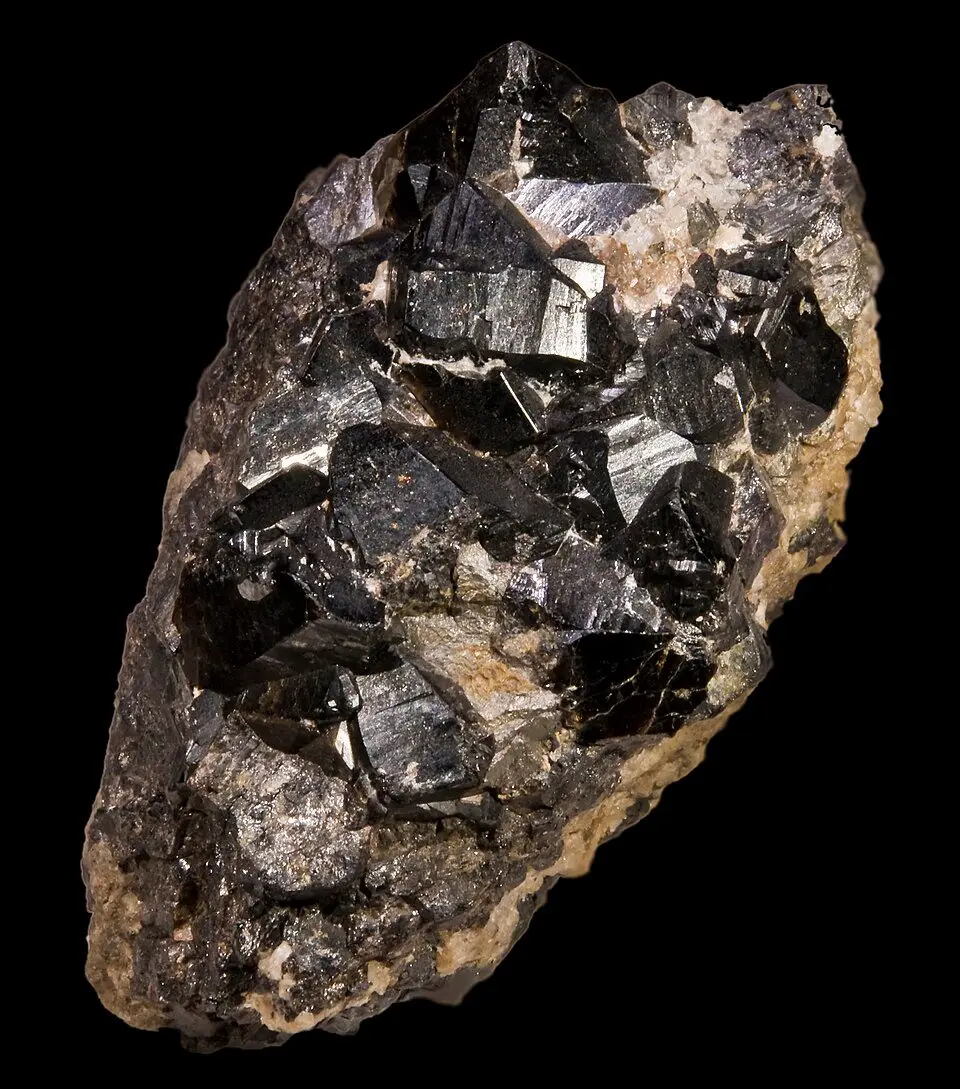
Tin Sn
Tin's main use is solder for electronics, followed by tinplate, chemicals and battery research. Cassiterite (SnO2) from the African Great Lakes is a 3TG conflict mineral. The standout industrial source is Bisie (Alphamin) in North Kivu, DRC, one of the world's highest-grade tin mines. Its operations were shut for about five weeks in March 2025 as M23 advanced on Walikale.
- Supply
- Contract — verified 3TG supply only
- Assay
- Independent — required
- Origin
- Verified per offer
3TG conflict minerals
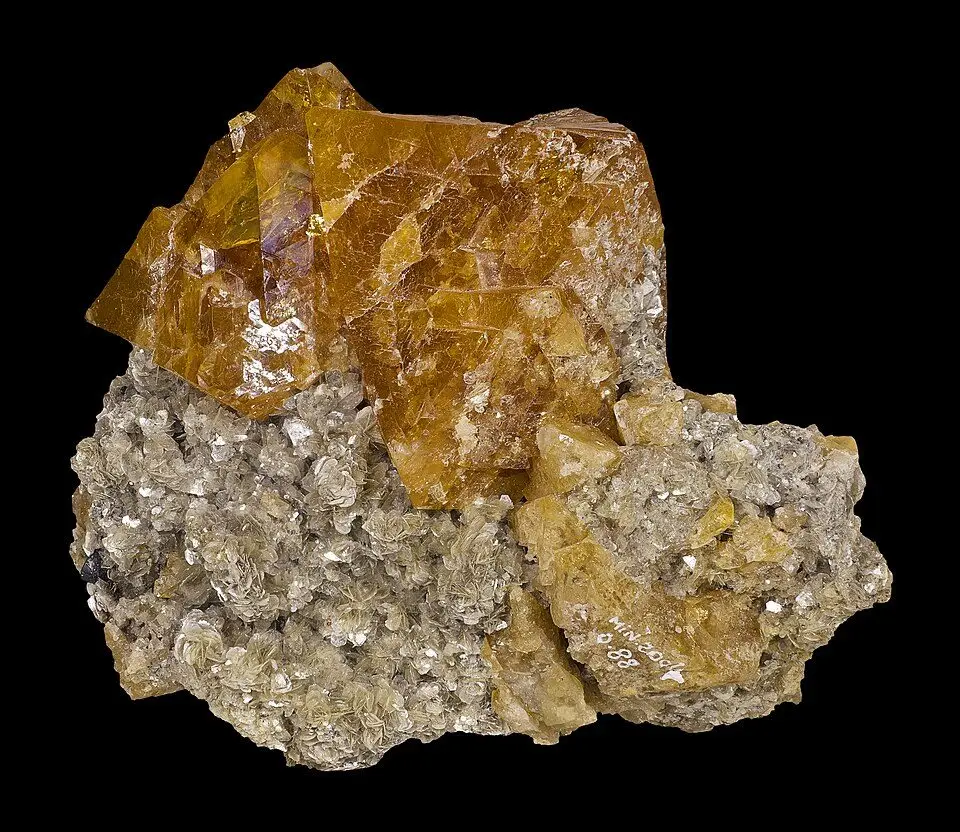
Tungsten W
Tungsten has the highest melting point of any metal. It is used in hard metals (tungsten carbide cutting tools, drilling), armour-piercing munitions, high-temperature alloys and electronics. China produces about 80% and has placed tungsten under export controls (February 2025). Rwanda is Africa's leading producer, and its Nyakabingo mine (Trinity Metals) now ships ferberite concentrate to the US defence-linked supply chain. Tungsten is a 3TG conflict mineral.
- Supply
- Contract — verified 3TG supply only
- Assay
- Independent — required
- Origin
- Verified per offer
Precious
#08Precious
Platinum-Group Metals Pt, Pd, Rh
The platinum-group metals are platinum, palladium, rhodium, ruthenium, iridium and osmium. They are used in autocatalysts, hydrogen electrolysers and fuel cells, glass, electronics, chemicals, jewellery and investment. South Africa's Bushveld Complex holds most of the world's PGM reserves and produces about 70% of its platinum and more than 80% of its rhodium. Zimbabwe's Great Dyke is the #3 platinum source. The industry is dominated by a few integrated miners that smelt and refine in South Africa.
- Supply
- Contract (concentrate) / Spot (refined, licensed)
- Assay
- Independent — required
- Origin
- Verified per offer
#10Precious
Gold Au
Gold is the most liquid commodity on the list and Africa's largest mineral export by value. The top producers are Ghana (Africa's #1, about 6 Moz in 2025), Mali, South Africa, Burkina Faso, Sudan, Tanzania and Zimbabwe. Supply splits into large-scale mines selling doré to accredited refiners, and artisanal and small-scale mining (ASM), which employs millions and is the channel most exposed to smuggling, conflict financing and money laundering. It is traded under the strictest due-diligence regime of any mineral.
- Supply
- Spot — verified buyers only
- Assay
- Independent — required
- Origin
- Verified per offer
Precious
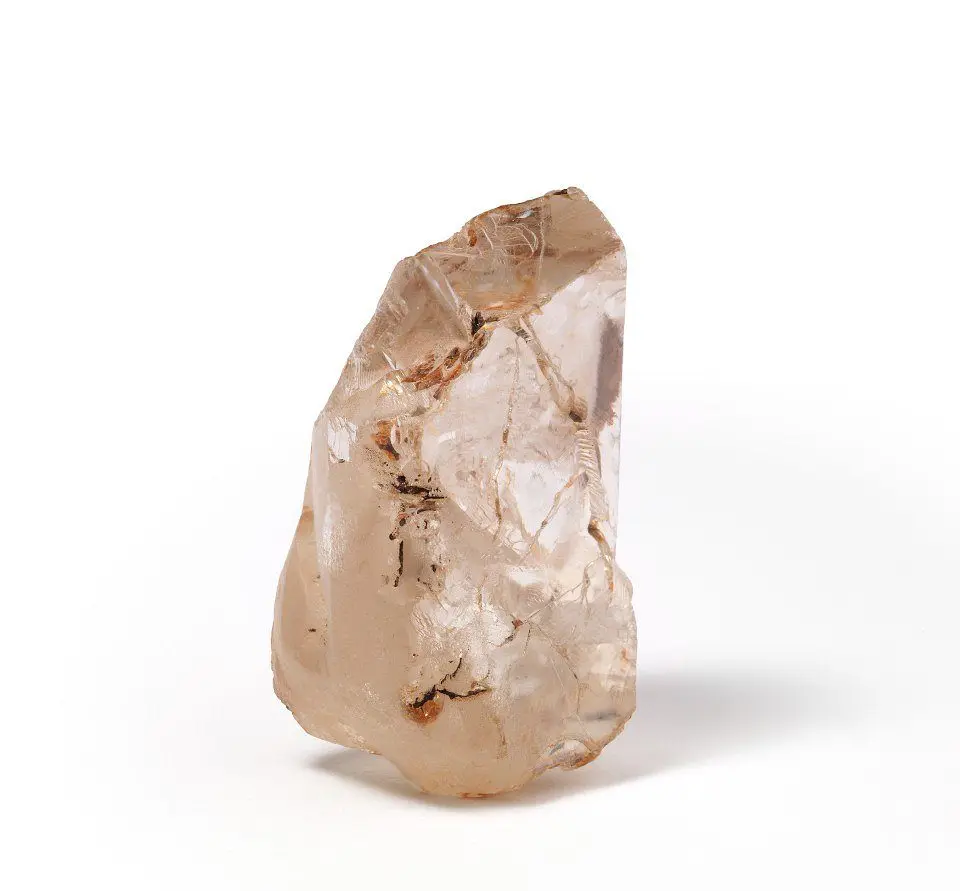
Diamonds (rough) C
Africa produces most of the world's rough diamonds by value. Botswana is the #1 producer by value, and Angola, the DRC (#1 by volume, mostly industrial quality), South Africa, Namibia (marine diamonds), Zimbabwe, Sierra Leone and Lesotho (Letšeng, very high value per carat) follow. Rough trade is regulated by the Kimberley Process. Since 2022 the market has been in a deep downturn from lab-grown competition: De Beers' rough sales fell from US$5.67bn in 2022 to US$1.95bn in 2024.
- Supply
- Contract / Enquiry — Kimberley Process-certified only
- Assay
- Independent — required
- Origin
- Verified per offer
Bulk industrial
Bulk industrial
Bauxite Al
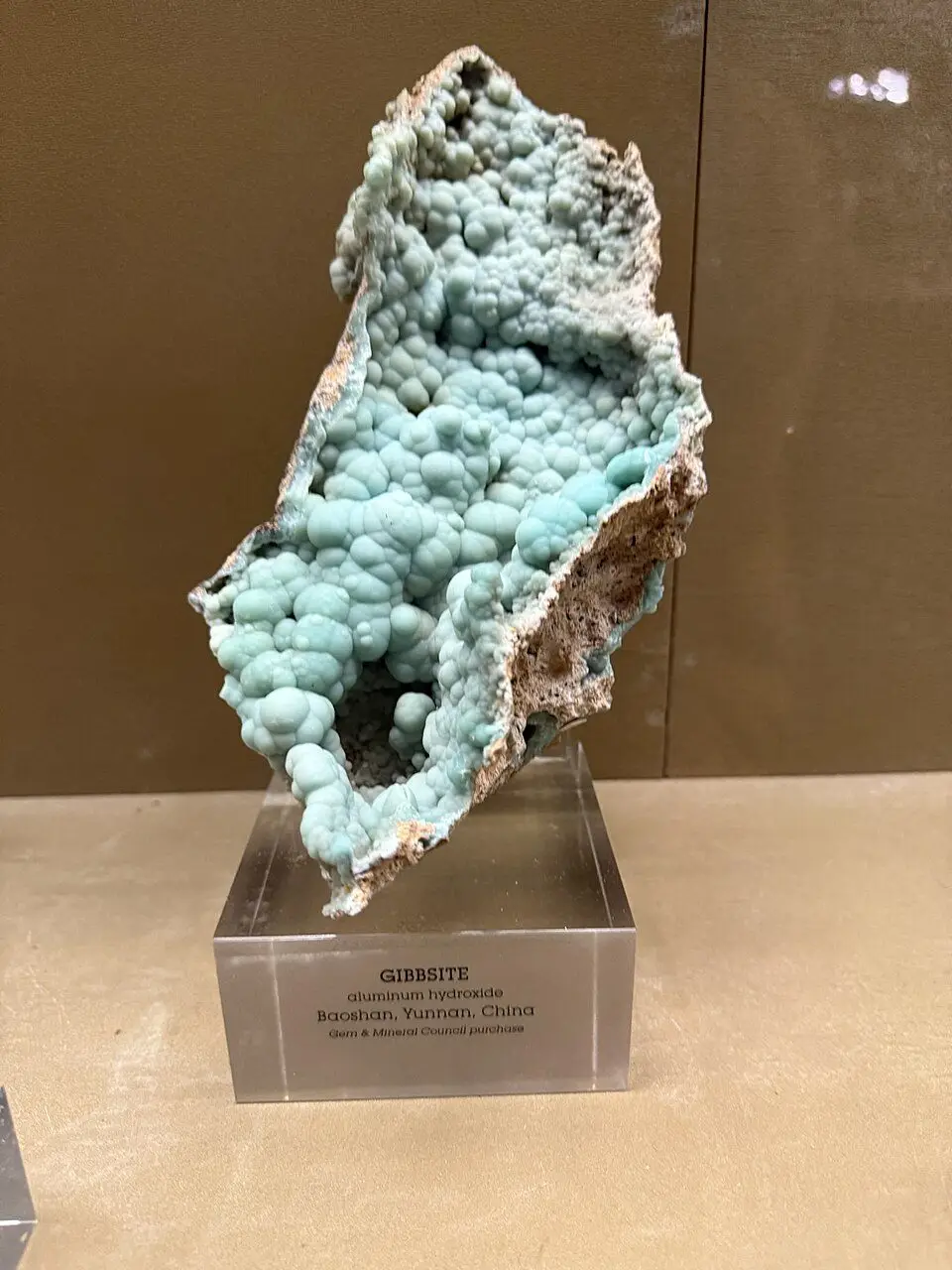
Bauxite is the ore of aluminium, refined into alumina and then smelted into metal. Guinea has the world's largest reserves and is the largest exporter by far, mostly to China's refineries, with exports near 200 Mt/yr and H1 2025 up 26 Mt year on year. Guinea is pushing miners to build local alumina refineries and revoked GAC's (EGA) Boké licence in August 2025. Ghana, Sierra Leone and Mozambique are smaller producers.
- Supply
- Contract
- Assay
- Independent — required
- Origin
- Verified per offer
Bulk industrial
Phosphate Rock P
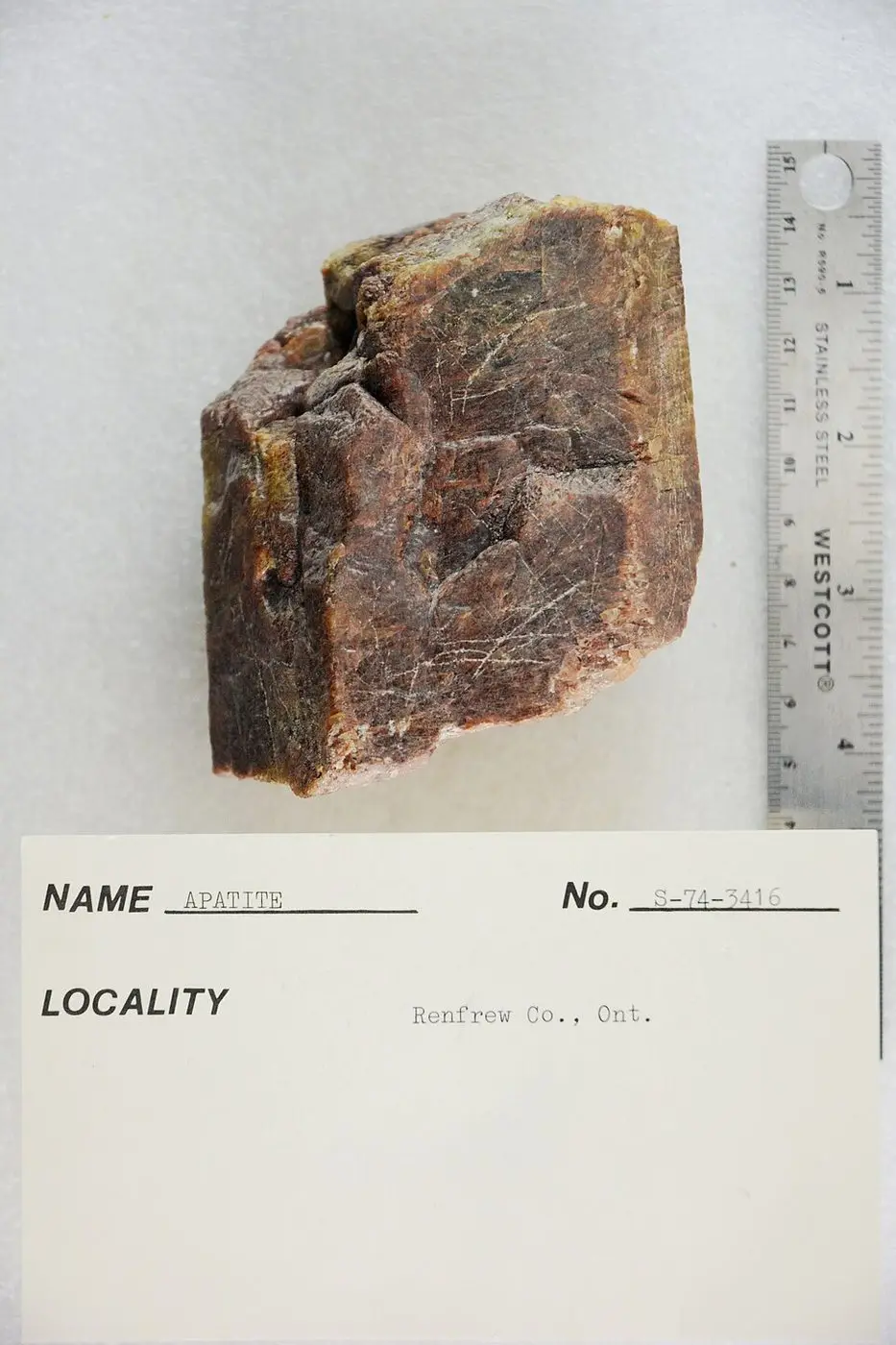
Phosphate rock is the source of phosphorus fertilisers, a food-security commodity, and increasingly of purified phosphoric acid for LFP batteries. Morocco (OCP) holds about 70% of the world's reserves and is the largest exporter of rock, acid and fertiliser. Egypt, Tunisia, Senegal, Togo, Algeria and South Africa also produce. The EU lists phosphate rock as a critical raw material.
- Supply
- Contract
- Assay
- Independent — required
- Origin
- Verified per offer
Reading availability
What each status means.
- Spot available
- Material can be offered now, subject to verification and assay.
- Contract / offtake
- Term supply negotiated per buyer — monthly volumes, offtake or tender.
- Pre-production pipeline
- The project is not yet producing; ARAM brokers future offtake.
- Export-restricted
- A national quota, ban or levy limits who can export and in what form.
- Not offered — information only
- Information only. Enquiries from licensed counterparties are reviewed individually.
Tell us the mineral, grade, volume and destination.
Request supply