Skip to content
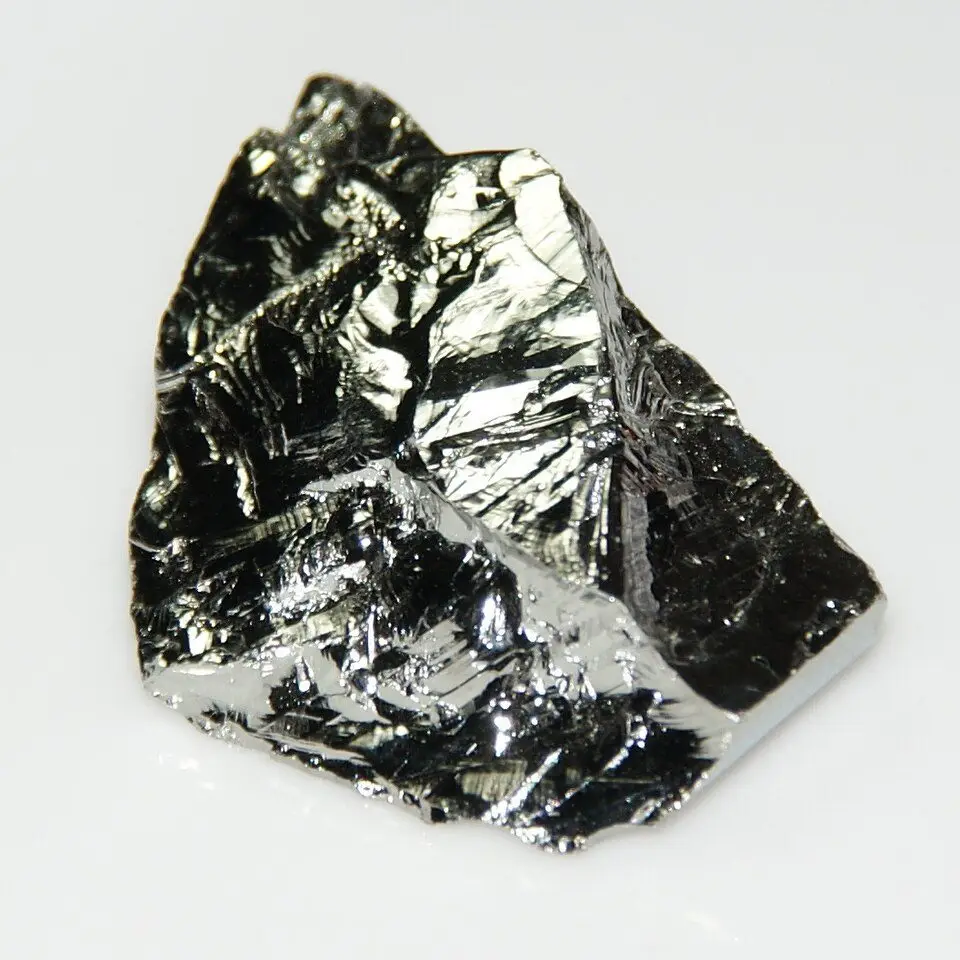
File:Polycrystalline-germanium.jpg

Reference specimen · Jurii, CC BY 3.0

Tech & industrial metals

Top-10 #7Sample data

Germanium Ge

Germanium is a minor metal used in fibre optics, infrared optics (night vision, thermal imaging for defence), satellite solar cells and semiconductors. China dominates supply and has restricted exports since August 2023, tightening further in 2024. The DRC's Big Hill tailings in Lubumbashi, historic slag and tailings from Gécamines' zinc-copper operations, are now one of the very few new non-Chinese sources: STL processes them and Umicore refines the concentrate in Belgium.

Availability
Contract (limited) + Pipeline
African sources
DR Congo
Traded as
Germanium concentrate · Germanium dioxide · Germanium metal
HS codes
2825.60 · 8112.92 · 8112.99

Current offers

Verified companies only

Volumes, origins and terms are shown to verified companies. Availability for everyone else: Contract (limited) + Pipeline. Verify your company or submit a request.

What is traded

  • Germanium concentrate

    Unit: kg · HS 2825.60

    output of the STL hydrometallurgical plant at Big Hill, shipped to Umicore (Olen, Belgium)

  • Germanium dioxide (GeO2)

    Unit: kg · HS 8112.92

    99.999% (5N), feedstock for fibre-optic preforms (as GeCl4) and catalysts

  • Germanium metal

    Unit: kg · HS 8112.99

    zone-refined, 99.999% to 99.9999% (6N) for IR optics and detectors; ingots and blanks

  • Germanium tetrachloride (GeCl4)

    Unit: kg

    fibre-optic grade

Uses

  • Fibre optics (≈30–40%)
  • Infrared optics — thermal imaging and night vision (defence)
  • Space solar cells (Ge substrates)
  • Polymerisation catalysts (PET)
  • Electronics and SiGe chips

ARAM sourcing assessment

Strategic niche with very high buyer interest, but volumes are captive (STL → Umicore). Value lies in introductions, future on-site GeO2 output, Kipushi by-product streams and Namibian/Zambian tailings. Listing status: Contract (limited) + Pipeline.

On the ground · Germanium

The mines behind the supply.

The mines and districts that define supply, with their operators. They are shown for geographic context: third-party operations, not ARAM sites, and not the source of any particular lot. Ownership and status as publicly reported in 2026.

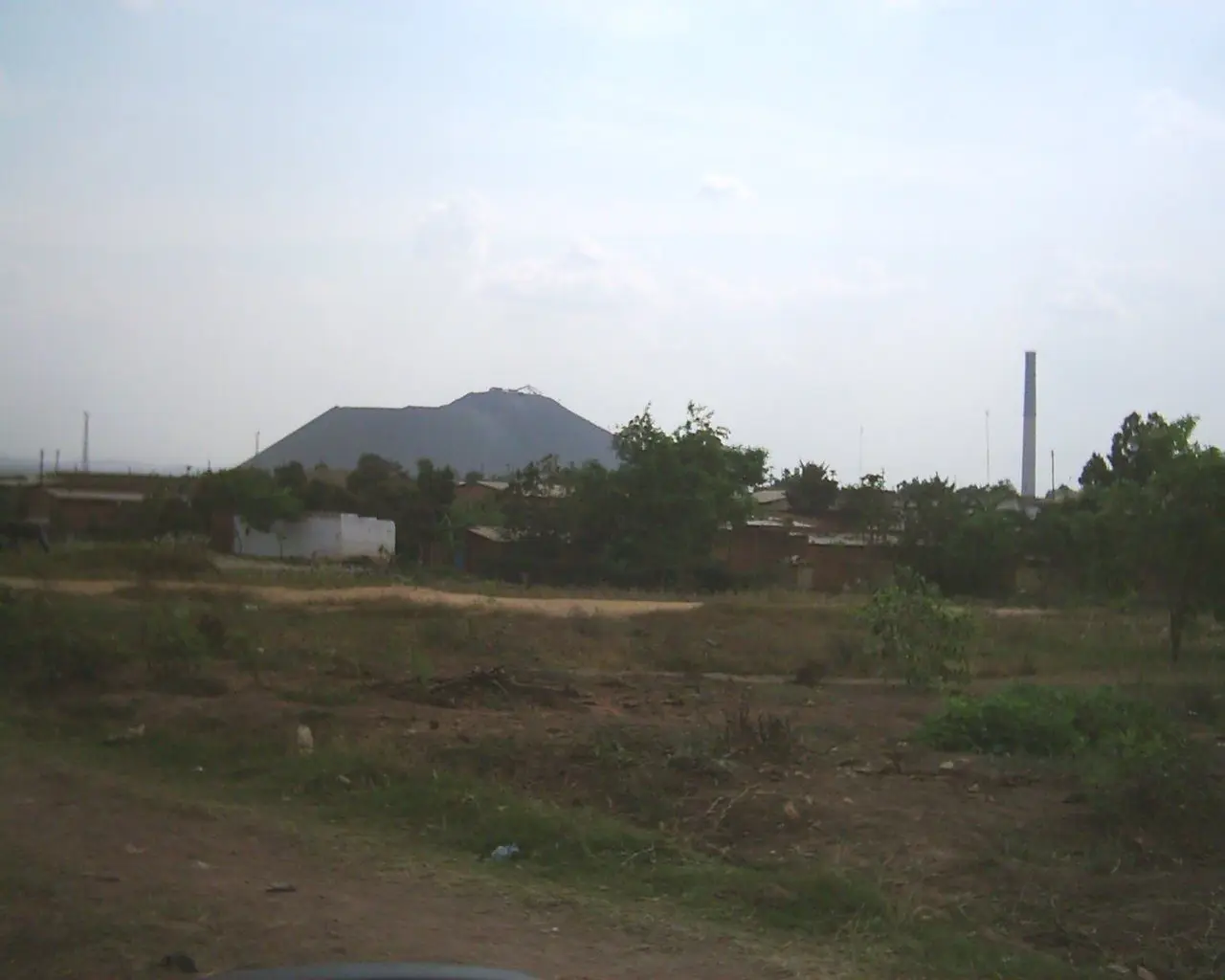
Terril de la GECAMINES de LubumbashiTailings reprocessing

DR Congo

Big Hill tailings, Lubumbashi

Operated by STL (Gécamines), with Umicore

Decades of slag and tailings from Gécamines' Lubumbashi smelter, now reprocessed for germanium, copper and cobalt; the first germanium concentrate shipped in 2024.

Photo: User:Vberger · Public domain
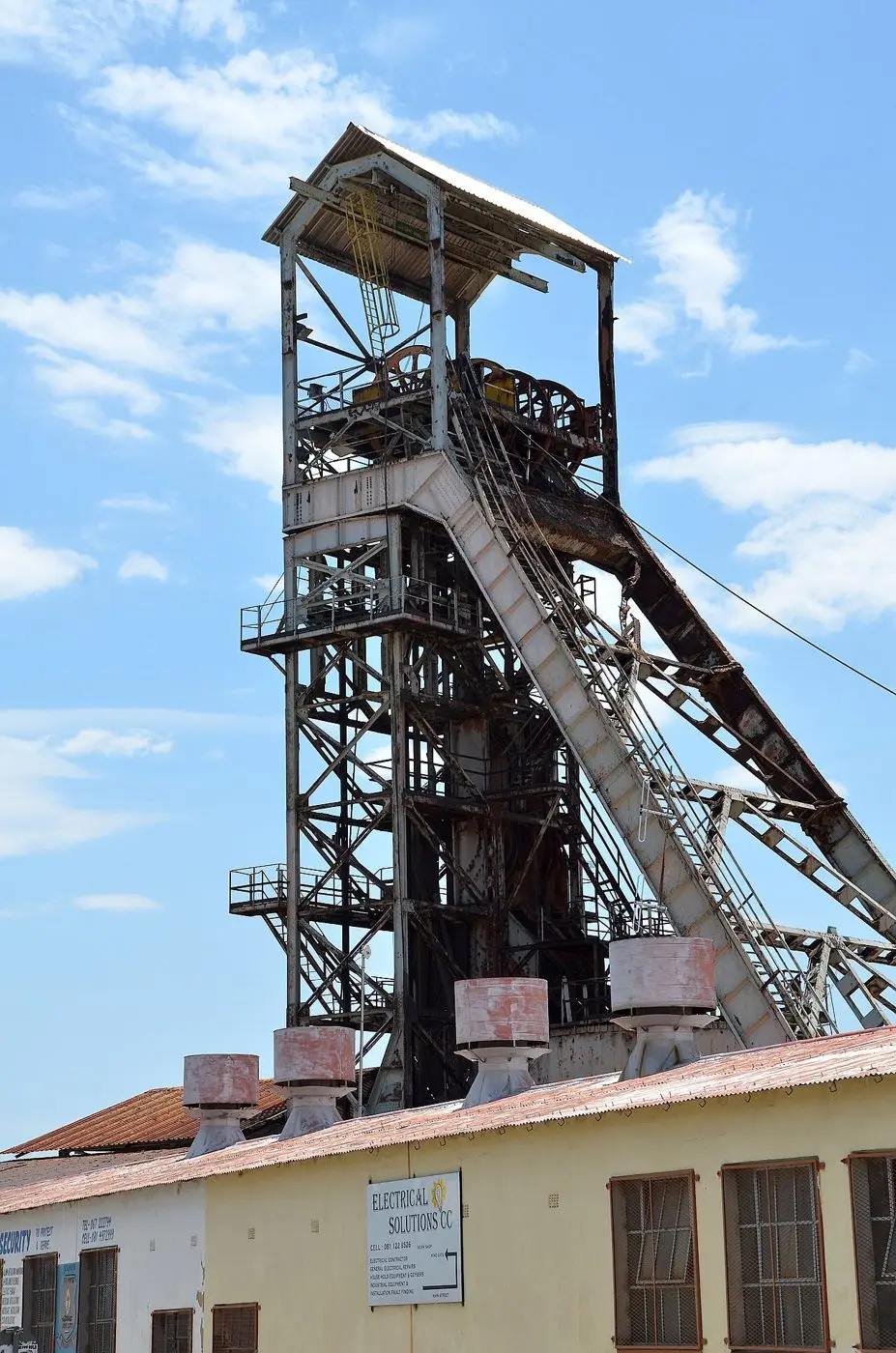
Shaft tower of disused mine in Tsumeb, Namibia (2014)Historic mine

Namibia

Tsumeb

Operated by Historic (Tsumeb Corporation); smelter now Dundee Precious Metals

One of the world's most famous mineral localities — source of germanite and many rare species; the mine closed, the smelter still operates.

Photo: Olga Ernst · CC BY-SA 4.0
  • Jurii, CC BY 3.0

  • Leon Hupperichs, CC BY-SA 3.0

  • Kritzolina, CC BY-SA 4.0

  • Kritzolina, CC BY-SA 4.0

  • Robert M. Lavinsky, CC BY-SA 3.0

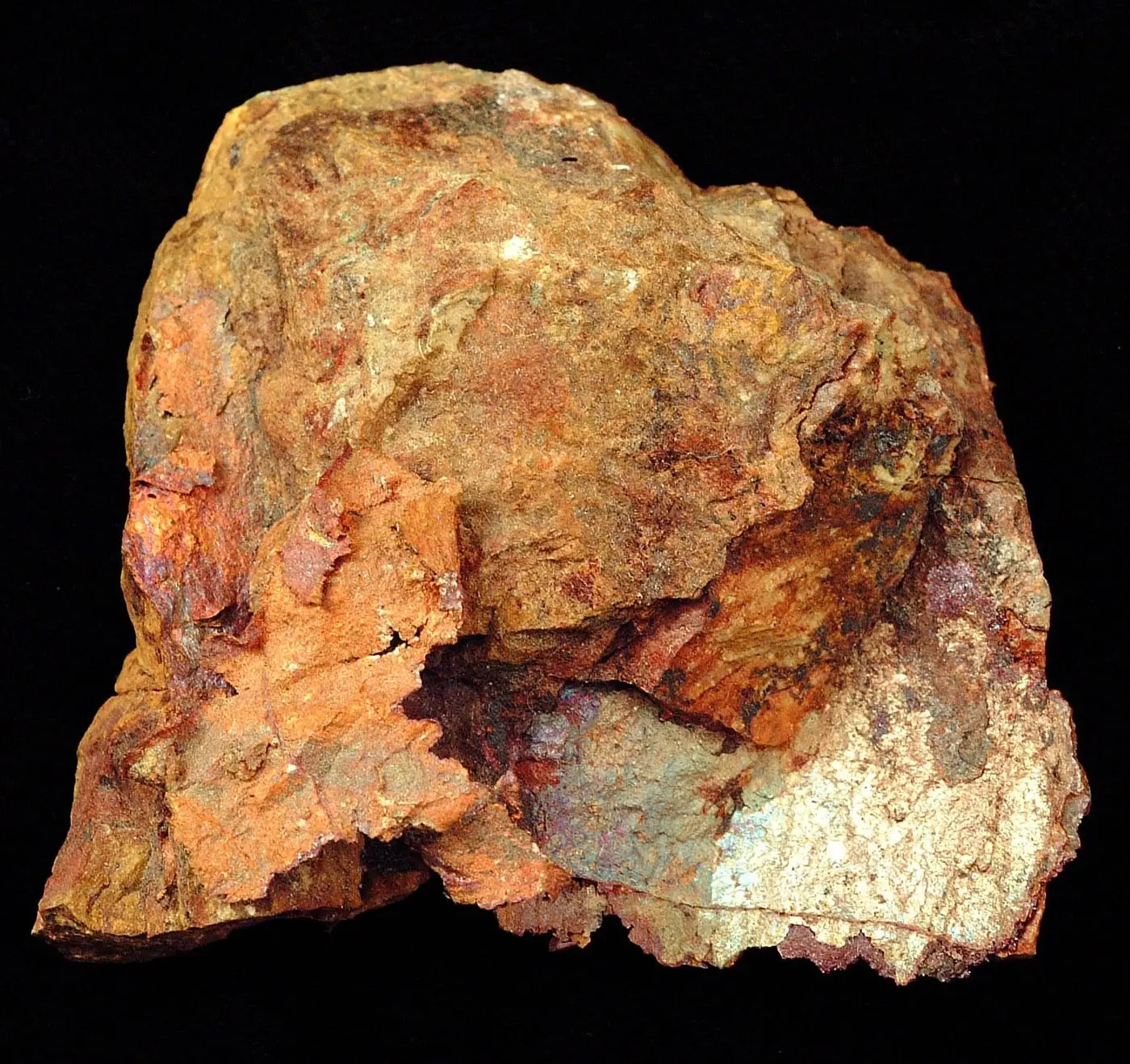
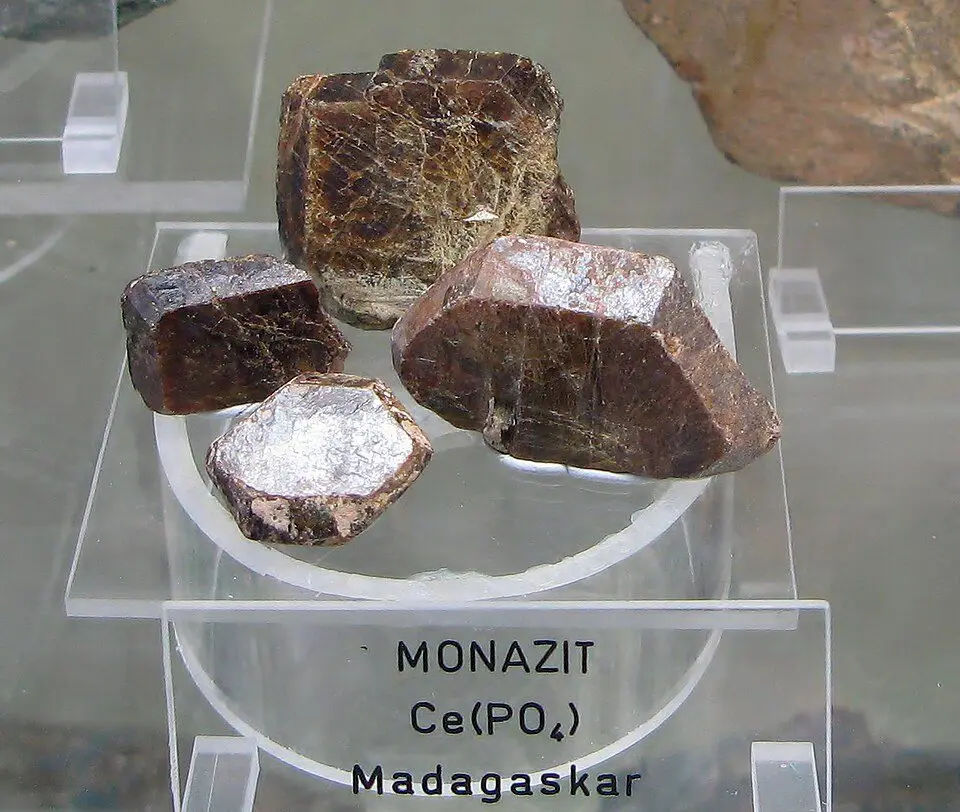
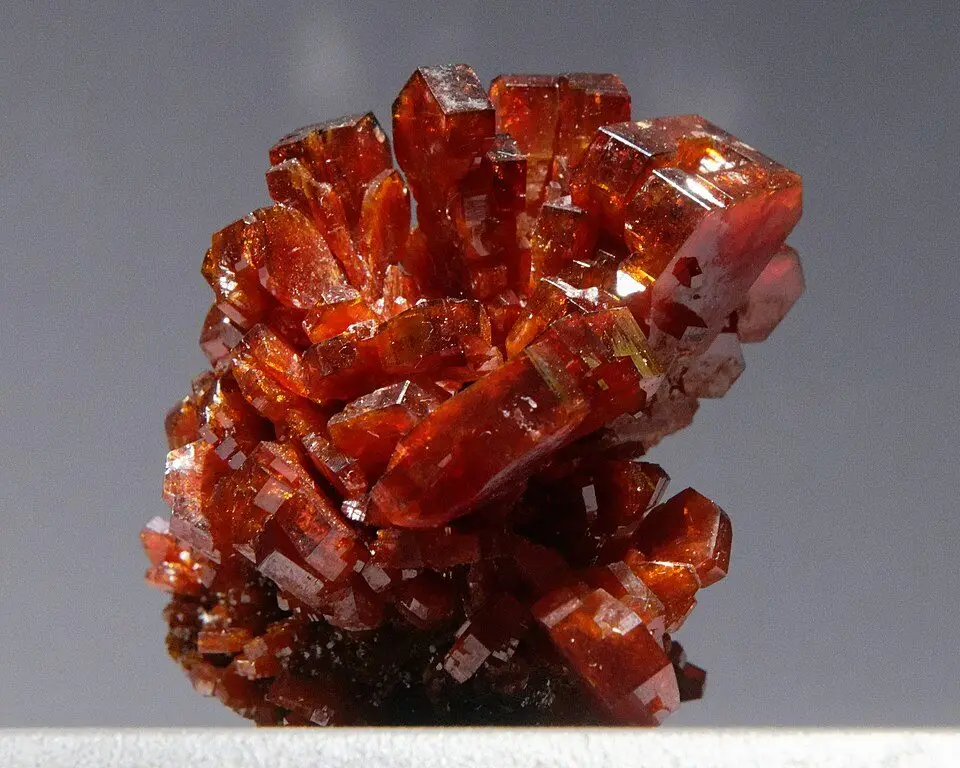
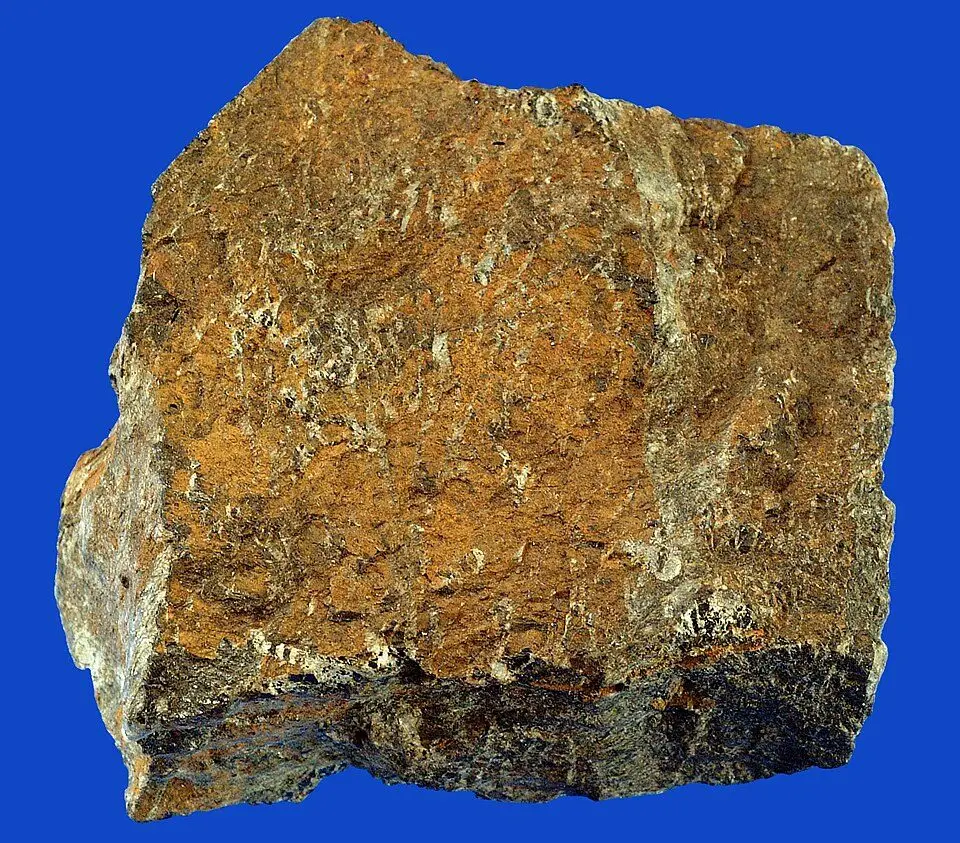
Reference specimens of the ore minerals and products, from public collections. They illustrate the material, not a specific ARAM lot or source.

File:Native copper (GeoDIL number - 854).jpg#02

Battery minerals

Copper Cu

Copper is the backbone of electrification: power grids, EV motors and wiring, renewables and data centres. The DRC is now the world's #2 mine producer after Chile, and Zambia is Africa's #2; together they form the Central African Copperbelt, one of the world's highest-grade copper provinces. Africa exports copper at every stage, from concentrate to refined cathode.

Supply
Spot + Contract
Assay
Independent — required
Origin
Verified per offer
Request supply
File:Monazit - Madagaskar.jpg#03

Rare earths

Rare Earths — Light (NdPr) Nd, Pr

The light rare earths neodymium (Nd) and praseodymium (Pr), traded together as 'NdPr', are the key ingredients of NdFeB permanent magnets used in EV motors, wind turbines, robotics, drones and defence systems. China controls about 60–70% of mining and around 90% of separation and magnet making, and has used export controls since 2023–25. Africa has a strong pipeline of carbonatite and monazite deposits, mostly in construction or development in 2026. Early African output will be concentrate or mixed carbonate, not separated oxide.

Supply
Pre-production pipeline
Assay
Independent — required
Origin
Verified per offer
Request supply
File:Vanadinite Mibladen MNHN Minéralogie.jpg

Tech & industrial metals

Vanadium V

About 90% of vanadium is used to strengthen steel (ferrovanadium in rebar and high-strength low-alloy steel). The rest goes into titanium alloys for aerospace and into electrolyte for vanadium redox flow batteries (VRFB), which store grid-scale energy. South Africa's Bushveld titanomagnetite is one of the four big sources, with China, Russia and Brazil. Several South African plants have closed or cut output, so supply is concentrated.

Supply
Contract / Spot
Assay
Independent — required
Origin
Verified per offer
Request supply
File:Chromite (GeoDIL number - 1396).jpg

Tech & industrial metals

Chrome (Chromite) Cr

Chromite ore is smelted into ferrochrome, which makes stainless steel stainless. South Africa's Bushveld Complex holds more than 80% of the world's chromite reserves and is the dominant exporter of chrome ore, mostly to China. A large share comes as UG2 chrome concentrate recovered from platinum-mine tailings. Zimbabwe's Great Dyke is the #2 African source, and Zimbabwe bans raw chrome ore exports to force local ferrochrome smelting.

Supply
Spot + Contract (ferrochrome only from Zimbabwe)
Assay
Independent — required
Origin
Verified per offer
Request supply