Compliance · Export rules
Who may export what, and in what form.
African producer countries increasingly control how their minerals leave: bans on raw ore, export quotas, levies and state trading channels. Every rule we track is listed below, by country.
- Applies to
- 3 minerals
- Reviewed
- September 2026
01
Kinds of restriction
- Ban
- Export of a form is prohibited — usually unprocessed ore — to force local processing.
- Quota
- A national cap, allocated to producers. Buyers need to see the quota allocation or export licence.
- Levy or royalty
- An export tax or royalty that changes the delivered price.
- State channel
- Exports must go through, or be offered first to, a state entity.
- Licence or permit
- A per-shipment permit or exporter licence is required.
An offer for an export-restricted mineral is published only when it names the quota holder or carries an accepted export licence or quota allocation.
REGISTER
Export rules by country
36 rules across 11 jurisdictions. Rules marked “reported” come from secondary sources — confirm with the authority before relying on them.
Cross-border
- Phosphate Rock
Permit / licence
State-controlled producers (OCP, CPG, SNPT) sell directly; export licences
Primary source
- Tin
Permit / licence
Same 3TG export regime as tantalum in DRC/Rwanda: CEEC, ICGLR certificates, ITSCI tagging
Authority: CEECPrimary source
- Titanium Minerals (Ilmenite, Rutile)
Permit / licence
Mineral licences; export permits; local processing push is weaker than for battery minerals
Primary source
- Zircon
Permit / licence
Mineral sands licences; export permits
Primary source
- Fluorspar
Permit / licence
Standard mining and export permits
Primary source
- Diamonds (rough)
Permit / licence
Kimberley Process Certification Scheme — every rough shipment between participants needs a KP certificate; import/export only via designated authorities
Authority: Kimberley ProcessPrimary sourceSource
- Uranium
Permit / licence
Licences from the national nuclear regulator (e.g. Namibia's NRPA) for possession and export; IAEA safeguards and NPT obligations; Nuclear Suppliers Group export controls; end-user and government-to-government assurances
Authority: NRPAPrimary source
- Tungsten
Export ban
US Defense Federal Acquisition Regulation: ban on Chinese-origin tungsten in defence supply from 2027 — drives demand for Rwandan supply
From 2027Primary source
- Rare Earths — Light (NdPr)
Permit / licence
Radiation-protection licensing for monazite (national nuclear regulators)
Primary source
- Cobalt
Levy / tax
DRC 2018 Mining Code: cobalt declared a 'strategic substance' (10% royalty)
From 2018Primary source
- Germanium
Export ban
China export licences (Aug 2023, tightened later, incl. Dec 2024 ban on US shipments) — the reason Western buyers want African supply
From 2023Primary sourceSource
- Chrome (Chromite)
Levy / tax
Royalties and export permits
Primary source
- Uranium
Permit / licence
Only utilities, converters and licensed traders can take title
Primary source
- Cobalt
State marketing channel
EGC controls artisanal cobalt purchasing
Authority: EGCPrimary source
- Gold
Export ban
Exports require licence, royalty payment, central-bank documentation
Primary source
DR Congo
- Tantalum (Coltan)
Permit / licence
export requires CEEC certification and ICGLR regional certificate; mining-site validation (green/yellow/red sites)
Authority: CEECPrimary source
- Copper
State marketing channel
export via approved channels; strategic-minerals regulator ARECOMS; state trading entity (EGC for cobalt) and moves to market state-share output (reported 2025)
Authority: ARECOMSFrom 2025ReportedSource
- Cobalt
Export quota
export suspension Feb–Oct 2025, then ARECOMS quotas — 2026–27 base quota 87,000 t Co/yr (7,250 t/month) + 9,600 t strategic quota; quarterly adjustment possible; exports require quota allocation
Authority: ARECOMSFrom 2025Primary sourceSource
Ghana
Guinea
- Bauxite
Levy / tax
2011/2013 mining code requires refinery commitments; licence revocations 2024–25 (GAC and dozens of others); export taxes
From 2011Primary source
Mali
Namibia
- Rare Earths — Heavy (Dy, Tb)
Export ban
2023 ban on export of unprocessed critical-mineral ores — concentrates need ministerial approval / local beneficiation
From 2023Primary source
- Lithium
Export ban
unprocessed lithium (and other critical-mineral ore) export ban since 2023, small-quantity ministerial exemptions
From 2023Primary sourceSource
Nigeria
- Tantalum (Coltan)
Permit / licence
MCO licensing; artisanal cooperatives
Primary source
- Lithium
Export ban
ban on raw ore export (2022 policy) and crackdown on illegal mining
From 2022Primary sourceSource
Rwanda
- Tungsten
Permit / licence
RMB licensing, ICGLR certificate, ITSCI/BSP traceability
Authority: ICGLRPrimary source
- Tantalum (Coltan)
Permit / licence
RMB export licensing; ICGLR certificate
Authority: ICGLRPrimary source
South Africa
- Manganese
Levy / tax
export via Transnet rail/port allocations (road haulage fills the gaps); mineral royalties; B-BBEE ownership rules
Primary source
- Vanadium
Permit / licence
standard mining and export permits; B-BBEE ownership
Primary source
- Chrome (Chromite)
Levy / tax
reported Cabinet approval of chrome ore export restrictions/levy to support local smelters — confirm status
Reported
- Platinum-Group Metals
Permit / licence
precious-metals export permits (South African Diamond and Precious Metals Regulator — SADPMR); Precious Metals Act
Authority: SADPMRPrimary source
- Gold
Permit / licence
SADPMR precious-metals export permits
Authority: SADPMRPrimary source
Zambia
Zimbabwe
- Lithium
Export ban
raw-ore export ban since Dec 2022; concentrate export ban announced for Jan 2027, reported brought forward to 2026 — verify before any offer; 5% export levy
From 2022ReportedSource
- Chrome (Chromite)
Export ban
raw chrome ore export ban (and planned extension to concentrate); ferrochrome exports allowed
Primary source
- Platinum-Group Metals
Levy / tax
5% levy on unbeneficiated platinum exports (Jan 2025); pressure to refine locally; export proceeds retention rules
From 2025Primary sourceSource
Last reviewed September 2026. Rules change — confirm before you contract.
Minerals this applies to
 #01
#01Battery minerals
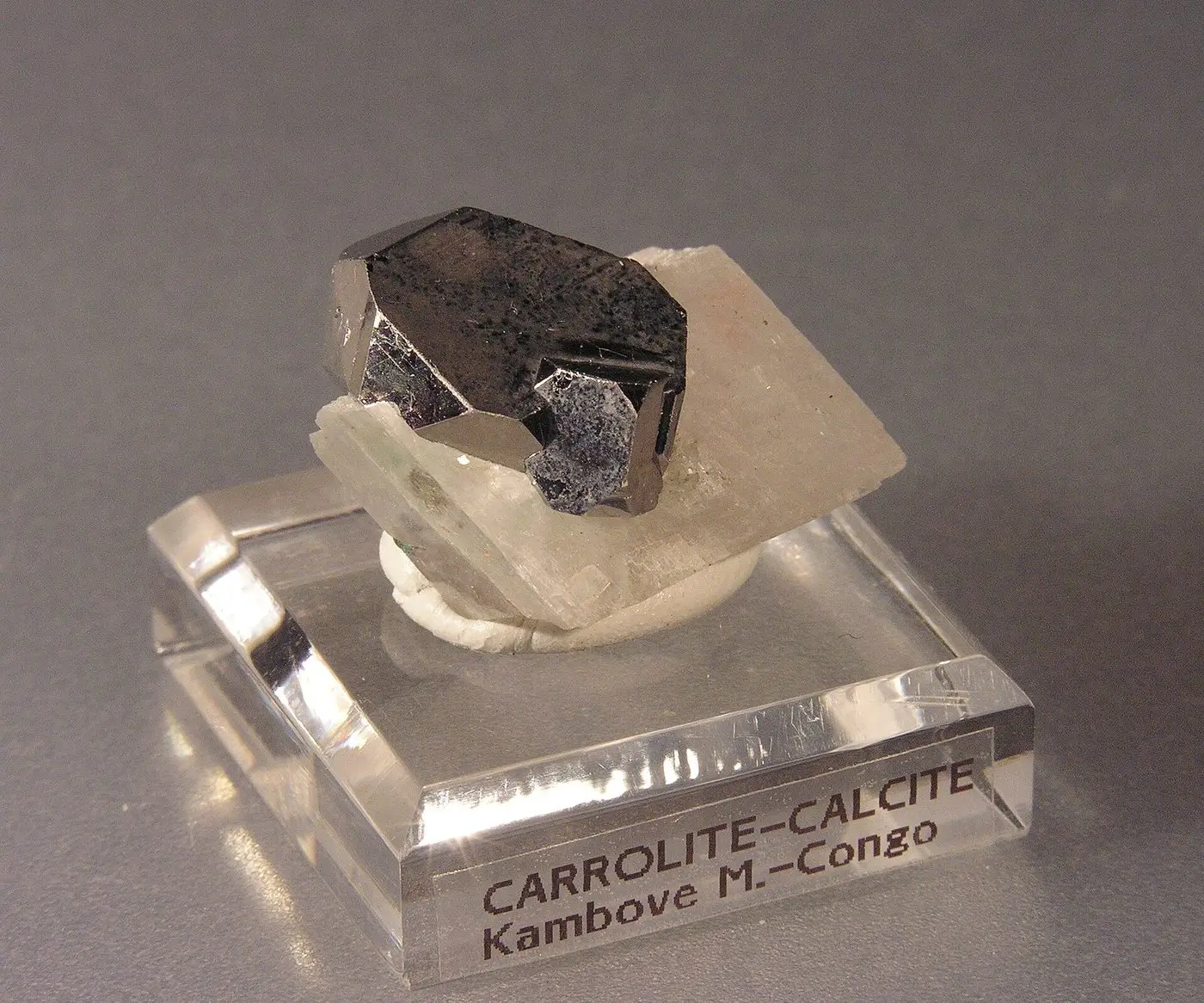
Cobalt Co
Cobalt is a battery and superalloy metal, and the DRC supplies roughly 70–75% of the world's mined cobalt, almost all as a by-product of copper mining. Most DRC output leaves as cobalt hydroxide, an intermediate that is refined (mostly in China) into sulphate for batteries or metal for alloys. Since 2025 the DRC has controlled exports through the ARECOMS quota system, turning a surplus market into a managed one.
- Supply
- Export-restricted → Contract
- Assay
- Independent — required
- Origin
- Verified per offer
 #04
#04Battery minerals
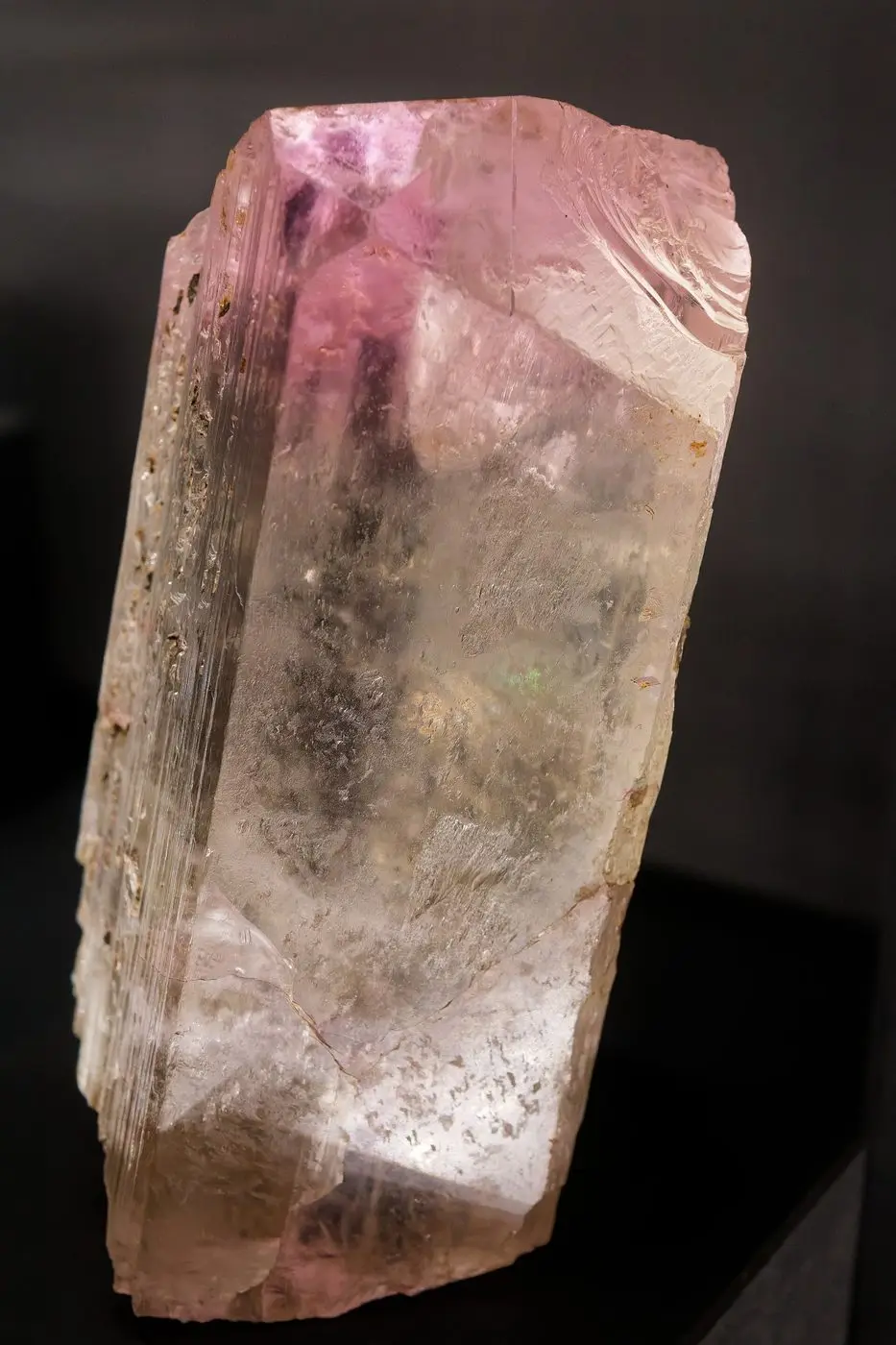
Lithium Li
Lithium is the defining battery metal. Africa went from almost nothing to one of the fastest-growing supply regions in 2023–25, led by Zimbabwe (Africa's #1, top-5 globally), then Mali (Goulamina, Bougouni), Nigeria and Namibia. African lithium is hard-rock (spodumene, petalite, lepidolite pegmatites), sold as mineral concentrate. Governments now force local processing: raw ore export bans are in place, and Zimbabwe is moving to ban concentrate in favour of lithium sulphate.
- Supply
- Contract / Pre-production (export-restricted in Zimbabwe, Namibia)
- Assay
- Independent — required
- Origin
- Verified per offer
Tech & industrial metals
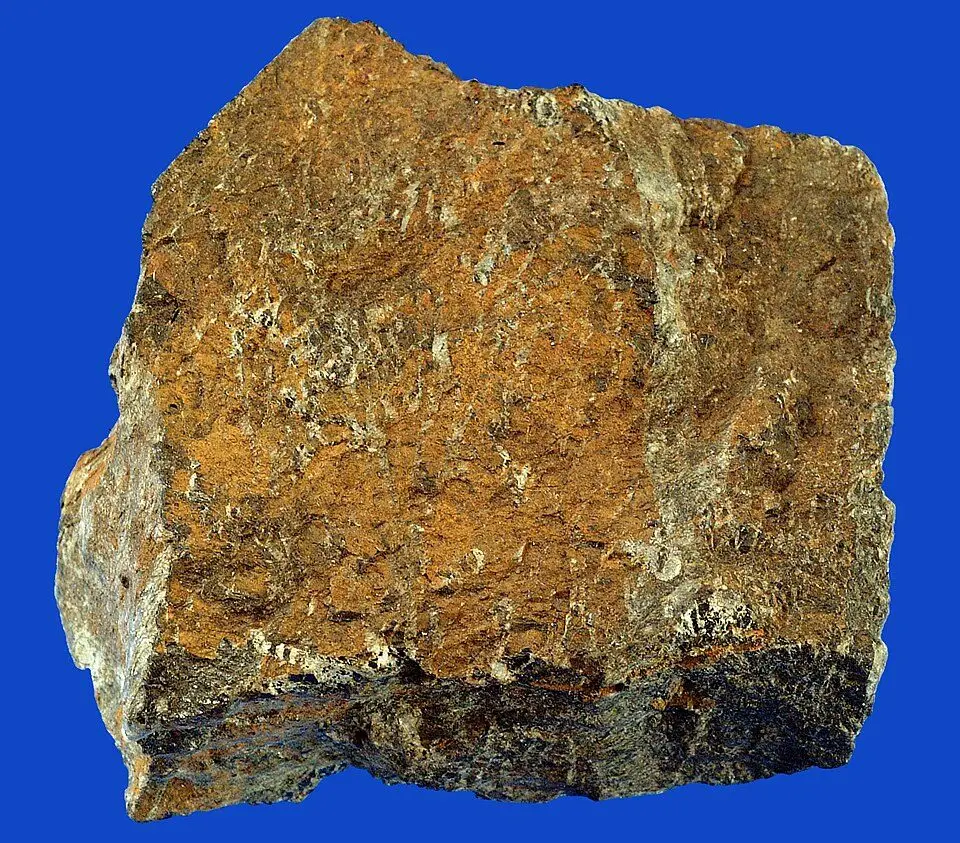
Chrome (Chromite) Cr
Chromite ore is smelted into ferrochrome, which makes stainless steel stainless. South Africa's Bushveld Complex holds more than 80% of the world's chromite reserves and is the dominant exporter of chrome ore, mostly to China. A large share comes as UG2 chrome concentrate recovered from platinum-mine tailings. Zimbabwe's Great Dyke is the #2 African source, and Zimbabwe bans raw chrome ore exports to force local ferrochrome smelting.
- Supply
- Spot + Contract (ferrochrome only from Zimbabwe)
- Assay
- Independent — required
- Origin
- Verified per offer