Essential Oil
Sample dataIndian Sandalwood Oil
Santalum album
Origin VerifiedGC-MS Available
From$25.80 / g
AvailableDemonstration dataListings, lots and offers shown are samplesAbout sample data
Osyris lanceolata(Santalaceae)
Osyris lanceolata — CITES Appendix II and subject to national export controls. Listed for reference; not currently offered.
CITES Appendix II
Pricing
Request wholesale quote
Price for this material depends on the lot, quantity and destination. We confirm it in writing rather than publishing a figure that would not survive your requirement.
MOQ
100 g
Osyris lanceolata is traded as 'African sandalwood'. It is a genuinely distinct species from Santalum album, drier and more austere, with a woody-resinous character lacking the creamy lactonic quality of Indian sandalwood.
The species has been subject to severe over-harvesting across East Africa. It is listed on CITES Appendix II, and Kenya and Tanzania apply national export controls in addition to the CITES requirement.
We are listing this material for reference and are not currently offering it. We will not source it without a documented permit pathway and verified legal harvesting at origin, and we would rather show the entry with no stock than imply an availability we cannot substantiate.
Dry, woody and resinous with a faint sweetness. More austere and less creamy than Santalum album, with a rougher, greener edge.
Relative prominence of each descriptor, recorded on evaluation. Indicative only; not an analytical measurement.
Natural materials vary by harvest, season and lot. Specifications describe the referenced lot and are not a guarantee for future batches.
Available on request
Not currently available. This material is not being offered.
Osyris lanceolata has been severely over-harvested across East Africa, which is the direct reason for its CITES listing and for national export bans. We are not sourcing this material and will not do so without verified legal harvesting and full permit documentation.
SAplants, CC BY-SA 4.0
SAplants, CC BY-SA 4.0
SAplants, CC BY-SA 4.0
Krzysztof Ziarnek, Kenraiz, CC BY-SA 4.0
JMK, CC BY-SA 4.0
Dinesh Valke from Thane, India, CC BY-SA 2.0
JMK, CC BY-SA 4.0
SAplants, CC BY-SA 4.0
SAplants, CC BY-SA 4.0
SAplants, CC BY-SA 4.0
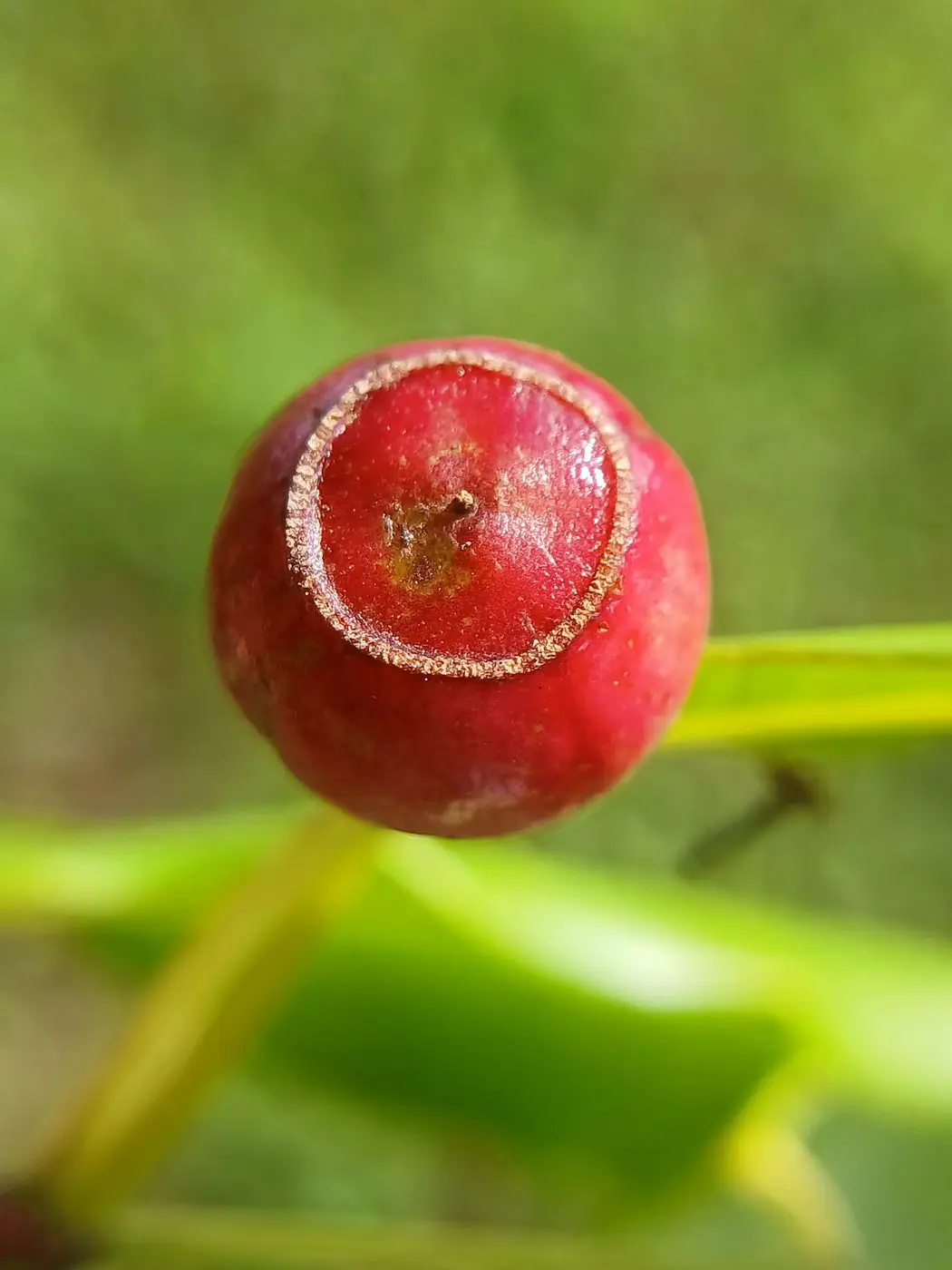
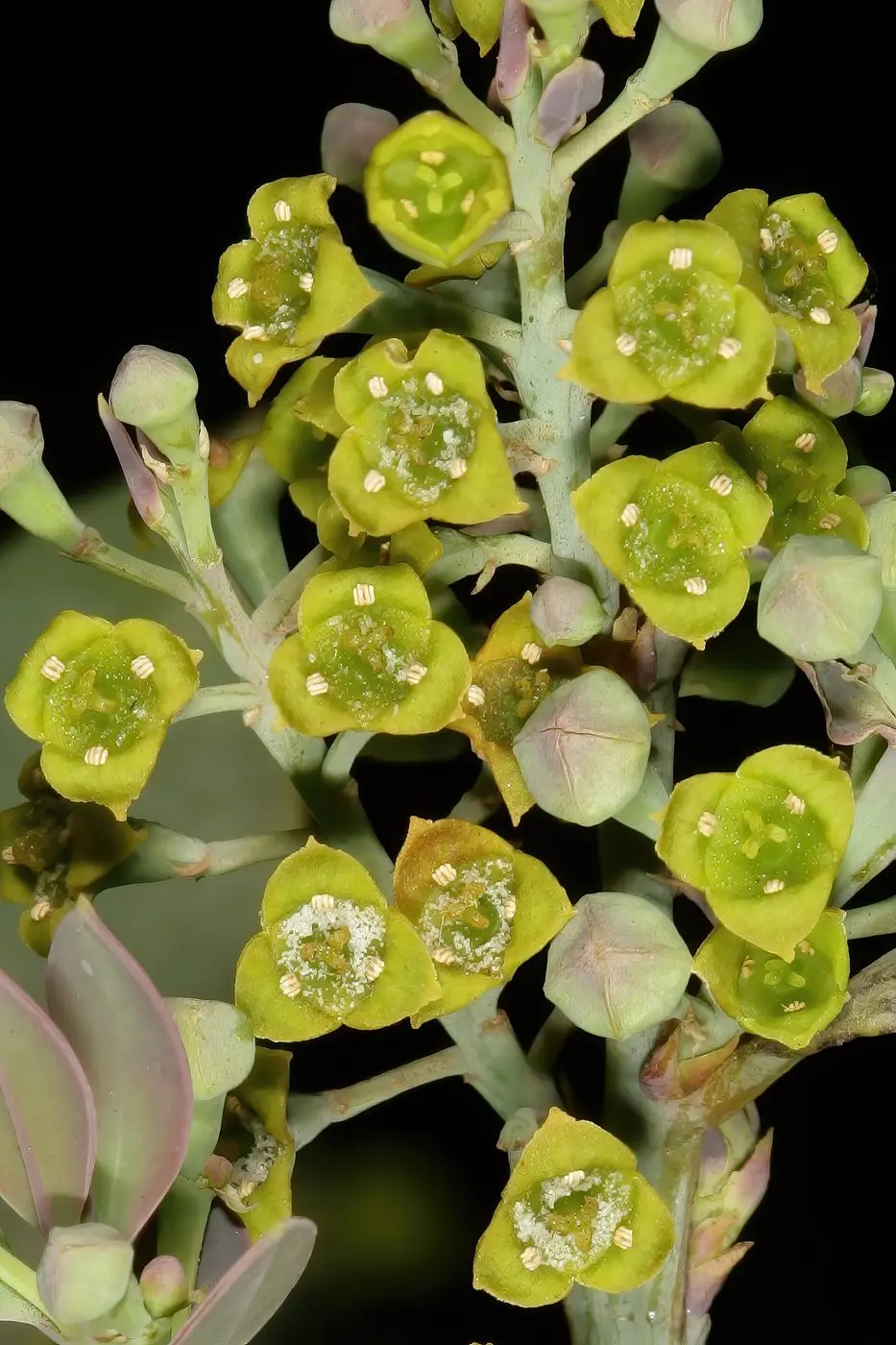
The plant, raw material, harvest and origin landscape, from public collections. Reference imagery — not this specific lot.