Essential Oil
Sample dataSomali Frankincense Oil
Boswellia carterii
Origin VerifiedGC-MS Available
From$0.39 / g
AvailableDemonstration dataListings, lots and offers shown are samplesAbout sample data
Boswellia sacra(Burseraceae)
Dhofari Boswellia sacra tears, sorted by the traditional colour-and-size grading.
Boswellia sacra resin from the Dhofar region of southern Oman — the frankincense of the historic incense route. Graded by the traditional convention in which the palest, largest and cleanest tears command the highest prices.
That grading is commercial and visual, not analytical. Pale colour correlates loosely with a cleaner, sweeter burn, but it does not reliably predict the composition of a distilled oil, and buyers specifying for distillation should evaluate the resin rather than rely on grade name alone.
The burn is sweeter, softer and more lemon-inflected than either the Somali or Ethiopian species, with a characteristic clean sweetness in the dry-out.
Lots
Trace this lot
Harvest / collectionHarvest · 10 May 2025
Raw material collected at declared origin during the 2025 season.
Hand-tapped and sortedProcessing · 11 Jun 2025
Hand-tapped and sorted carried out at origin. Batch identified as OMN-FRK-2025-002.
Intake and identificationIntake · 12 Jul 2025
Batch received, weighed and assigned a lot reference against the supplier declaration.
Origin declaration verifiedDocumentation · 13 Aug 2025
Supplier origin declaration checked against shipping and batch documentation.
Supplier and producer identity is held internally and is not published. Disclosure to a buyer of record is handled case by case.
Soft, sweet and lemon-inflected on the burn, with a clean resinous heart and low smoke. Rounder and less sharp than B. papyrifera.
Relative prominence of each descriptor, recorded on evaluation. Indicative only; not an analytical measurement.
Natural materials vary by harvest, season and lot. Specifications describe the referenced lot and are not a guarantee for future batches.
1 document on file · 1 available on request
Boswellia sacra is assessed as Near Threatened by the IUCN. We treat tapping intensity as a supply-risk and conservation question, and record what the supplier discloses about it at lot level.
Packaging options
Unknown author, Public domain
Krzysztof Ziarnek, Kenraiz, CC BY-SA 4.0
Krzysztof Ziarnek, Kenraiz, CC BY-SA 4.0
Daderot, Public domain
Krzysztof Ziarnek, Kenraiz, CC BY-SA 4.0
Krzysztof Ziarnek, Kenraiz, CC BY-SA 4.0
Available in the BEIC digital library and uploaded in partnership with BEIC Foundation., Public domain
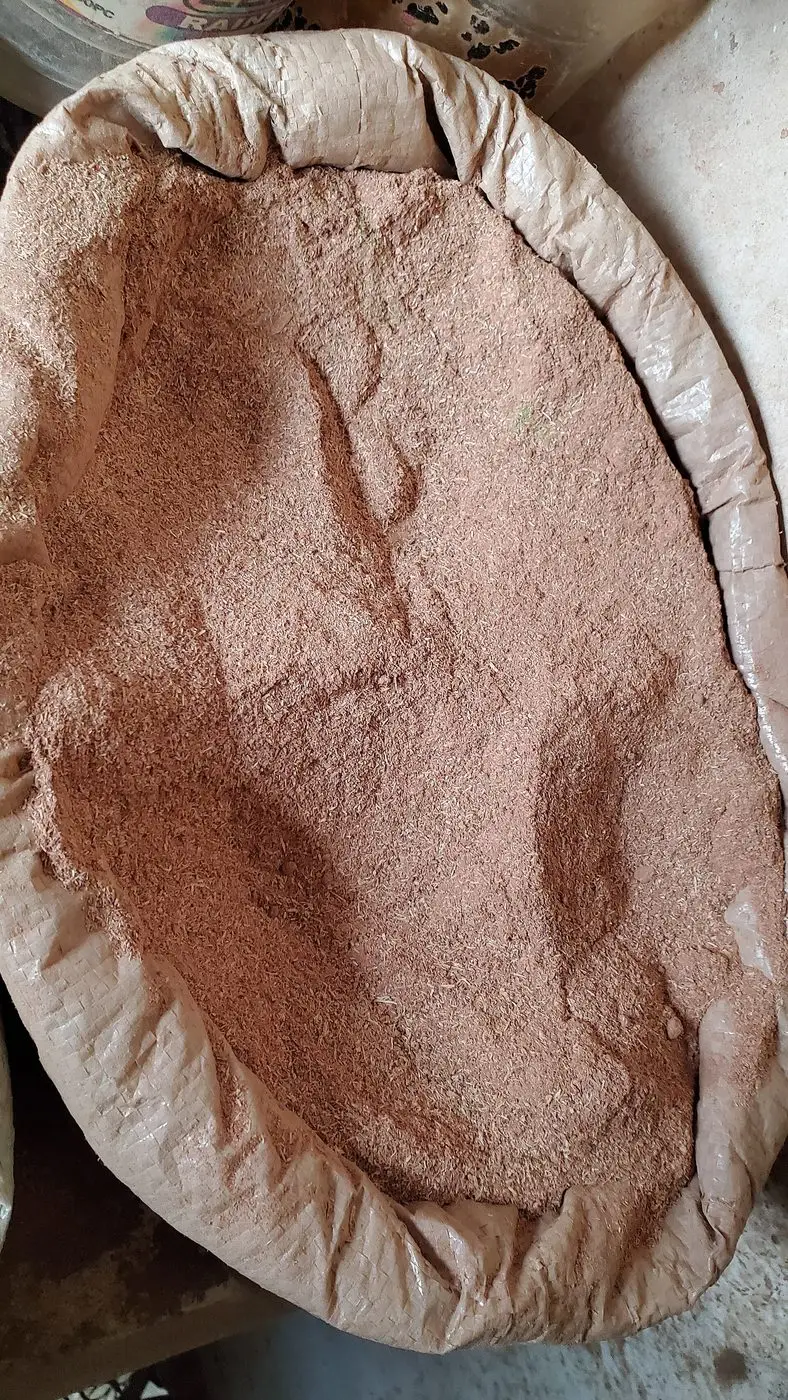
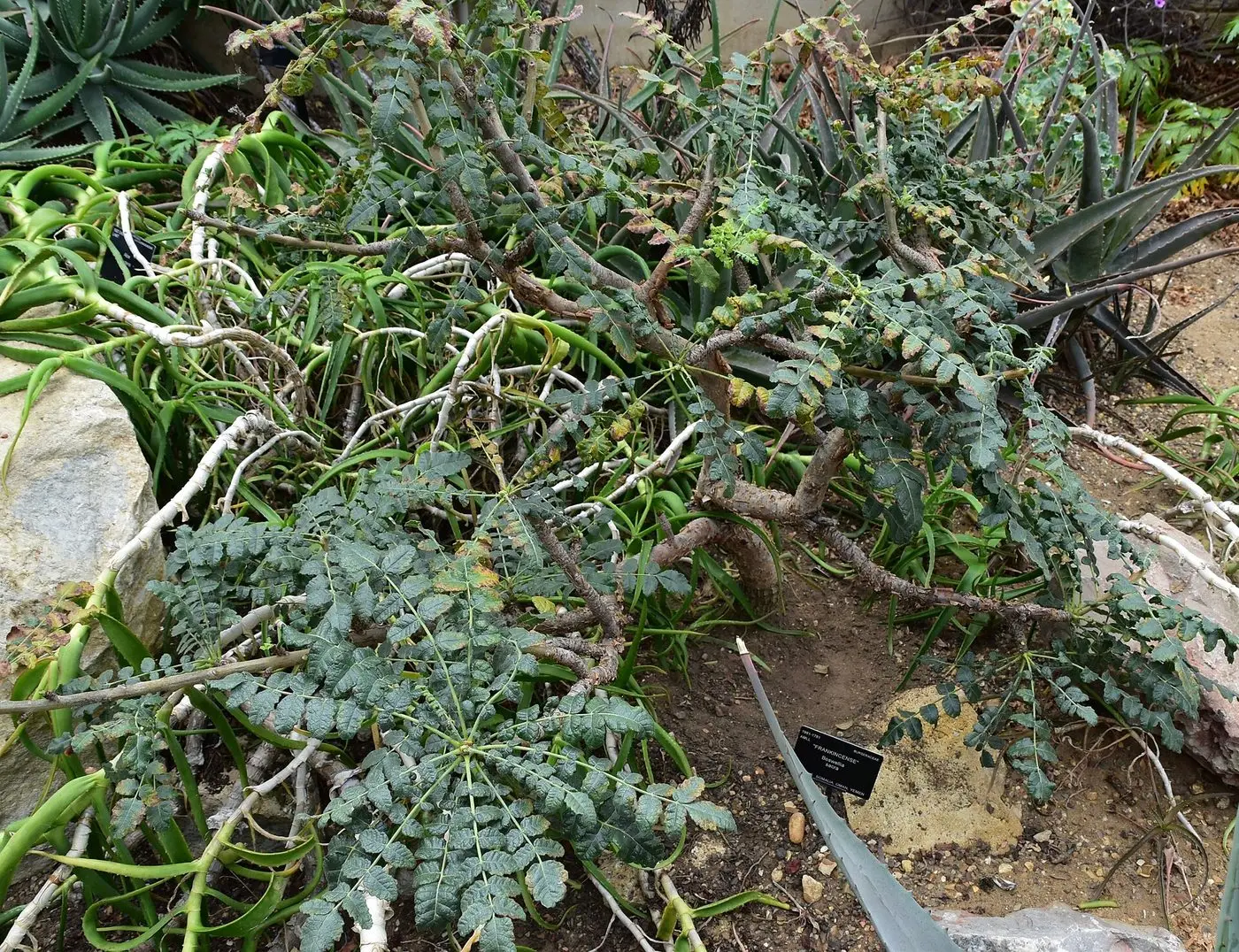
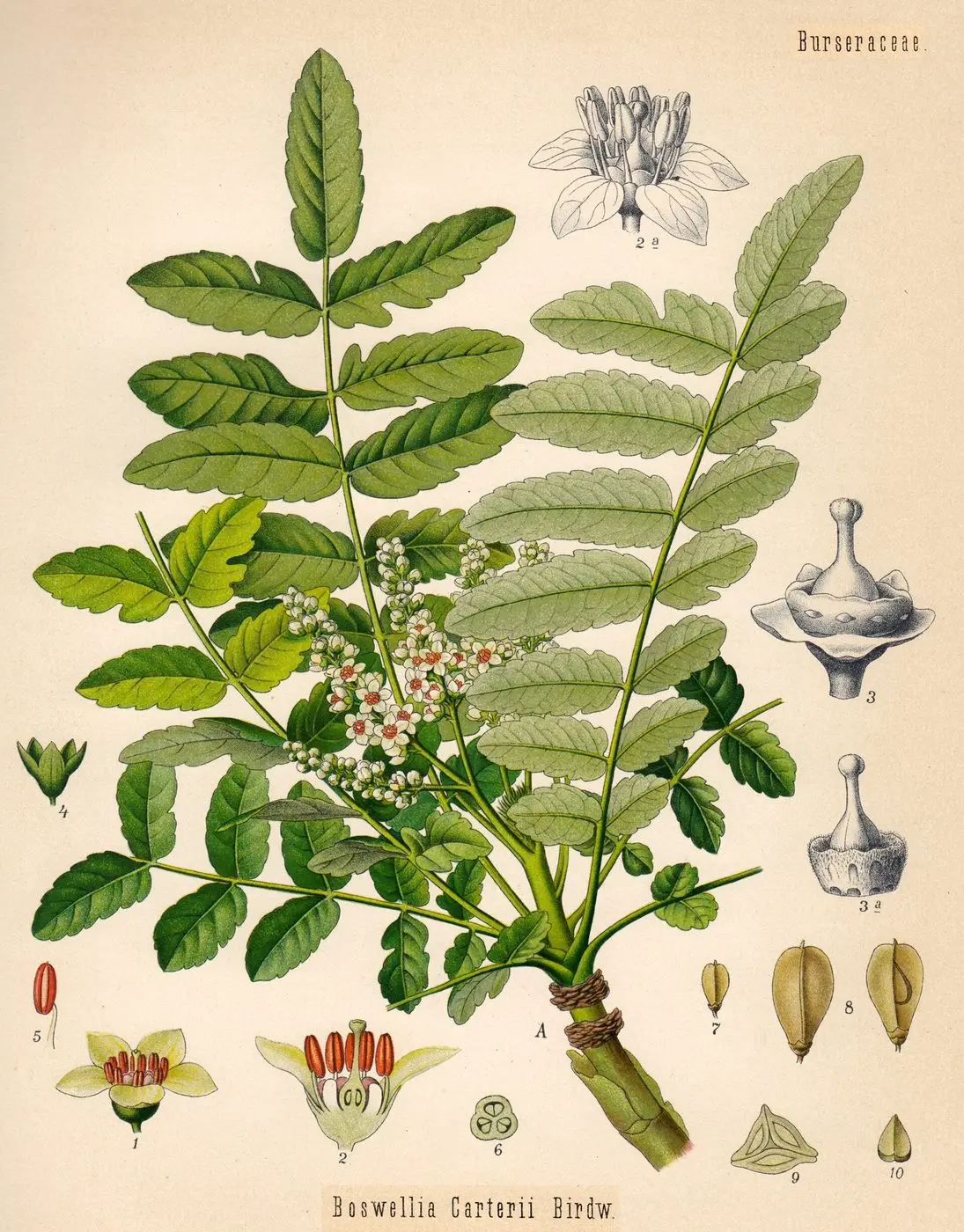
The plant, raw material, harvest and origin landscape, from public collections. Reference imagery — not this specific lot.